



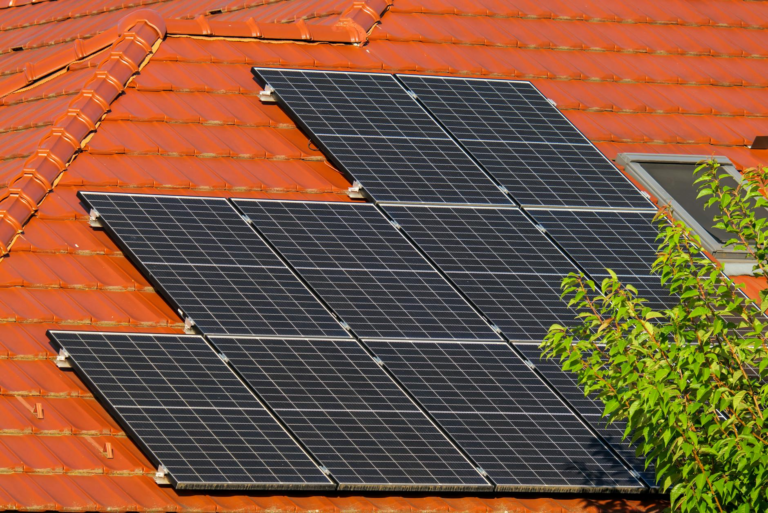
Why Solar Adoption Is More Than a Trend in the Florida Panhandle
The Florida Panhandle has long been known for its sunny skies and coastal charm, but a quieter shift is taking place in the neighborhoods that line its beaches and inland towns. Homeowners are increasingly turning to solar energy not just because it’s a fashionable choice, but because their priorities are evolving. From rising electricity bills to a deeper concern for the environment, the decision to install solar panels now reflects a broader re‑evaluation of what a home should provide. In this article we explore how those changing solar homeowner priorities are reshaping the market, influencing local policies, and redefining the everyday experience of living in this vibrant region.
Find us here:
Solar Cost Calculator – Florida Panhandle Only
* Estimate based on $3.25 per watt for solar installation.
* For Tesla Powerwall 3 Batteries, $15,000 for the first battery, $12,000 for each additional battery.
* Other variations and types of Batteries are available.
Escalating Energy Costs and the Quest for Predictable Bills
One of the most immediate drivers behind the surge in solar installations is the steady rise in utility rates across the Panhandle. Traditional electricity providers have increased their tariffs to cover aging infrastructure and the growing demand for power during hot summer months. For many families, this translates into unpredictable monthly expenses that can strain household budgets.
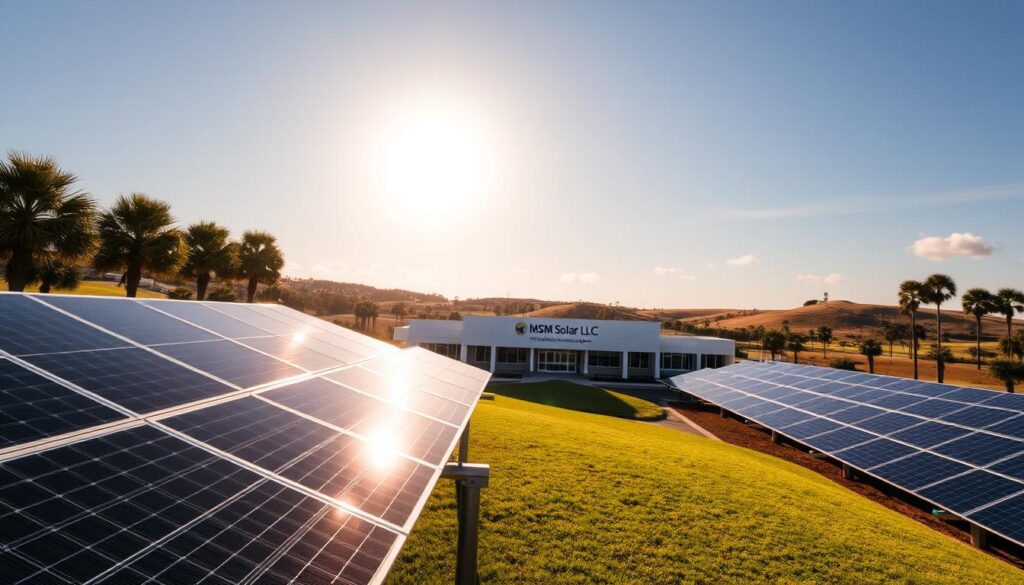
When homeowners evaluate their long‑term financial health, the promise of a fixed, lower‑cost energy source becomes compelling. Solar panels, paired with net‑metering agreements, allow a house to generate its own electricity and feed excess power back to the grid, offsetting utility charges. This financial predictability aligns directly with a new set of homeowner priorities that emphasize stability over short‑term savings.
Key Financial Benefits
- Reduced monthly utility bills by up to 80% after system payback.
- Eligibility for federal Investment Tax Credit (ITC) and state incentives.
- Potential increase in home resale value.
Environmental Stewardship as a Core Homeowner Value
Beyond the balance sheet, many residents of the Panhandle are motivated by a growing sense of responsibility toward the planet. The region’s delicate coastal ecosystems, including the Apalachicola Bay and Pensacola’s beaches, are vulnerable to climate‑related threats such as rising sea levels and increased storm intensity. Homeowners who prioritize environmental impact are seeking solutions that directly reduce their carbon footprints.

Solar energy, being a clean, renewable resource, offers a tangible way to lower household emissions. When families install photovoltaic (PV) systems, they cut reliance on fossil‑fuel‑generated electricity, thereby contributing to statewide emissions reduction goals. This alignment of personal values with actionable technology has become a cornerstone of modern solar homeowner priorities.
Community Initiatives Supporting Green Choices
- Local “Solarize” campaigns that bundle installations for bulk discounts.
- Neighborhood workshops hosted by utilities and environmental NGOs.
- City ordinances that streamline permitting for residential solar.
Technological Advances Making Solar More Accessible
The past decade has witnessed remarkable improvements in solar panel efficiency, battery storage capacity, and smart‑home integration. Modern PV modules can capture more sunlight per square foot, meaning homeowners can achieve higher energy yields even on modest roof spaces. Coupled with advances in lithium‑ion battery technology, families can now store excess generation for nighttime use, further reducing dependence on the grid.
These technological breakthroughs directly influence solar homeowner priorities by addressing previous pain points: aesthetic concerns, performance reliability, and the need for backup power during outages. As a result, even residents who were once skeptical about solar’s practicality are now viewing it as a viable, future‑proof investment.
Smart Home Compatibility
- Integration with home energy management systems.
- Real‑time monitoring via mobile apps.
- Automated load shifting to maximize solar usage.
Financing Options That Align With Modern Budgets
One of the biggest hurdles to solar adoption has historically been the upfront capital required for system purchase and installation. However, the financing landscape has evolved to include a variety of options that cater to different financial situations. From zero‑down leases to power purchase agreements (PPAs) and low‑interest loans, homeowners now have flexible pathways to go solar without a large initial outlay.
These financing solutions are directly tied to the shifting priorities of homeowners who seek affordability without compromising on quality. By spreading costs over the expected lifespan of the system, families can align solar expenses with their monthly budgeting practices, making the technology more inclusive across income brackets.
Comparative Financing Overview
| Financing Type | Upfront Cost | Monthly Payment | Ownership |
|---|---|---|---|
| Cash Purchase | High | None | Full |
| Solar Loan | Low | Fixed | Full |
| Lease / PPA | None | Variable | Utility |
Local Policy Shifts Supporting Residential Solar
Municipal governments across the Florida Panhandle have begun to recognize the strategic importance of solar energy for economic resilience and environmental health. Recent policy changes include streamlined permitting processes, property tax exemptions for solar equipment, and the adoption of community solar programs that allow renters and multi‑unit dwellings to participate.
These regulatory adjustments reflect an emerging consensus that residential solar aligns with broader community priorities such as job creation, energy independence, and climate adaptation. By reducing bureaucratic barriers, local authorities are effectively responding to the evolving expectations of their constituents.
Policy Highlights by County
- Escambia County: Fast‑track solar permits for projects under 10 kW.
- Santa Rosa County: Property tax assessment freeze for solar installations.
- Okaloosa County: Incentives for battery storage paired with PV systems.
Social Influence: Peer Networks and Neighborhood Trends
Social dynamics play a surprisingly strong role in shaping solar homeowner priorities. When a neighbor installs a sleek solar array, the visual cue often sparks curiosity among other residents. This ripple effect is amplified through social media groups, local homeowner association (HOA) meetings, and community events where solar successes are shared.
Studies have shown that homeowners are up to 30% more likely to consider solar after seeing it implemented in a nearby property. The sense of collective progress and the desire to keep up with neighborhood standards create a feedback loop that accelerates adoption rates across entire subdivisions.
Tips for Leveraging Community Momentum
- Organize a neighborhood “solar information night” with local installers.
- Share energy savings stories on community Facebook pages.
- Collaborate on bulk purchasing to reduce per‑home costs.
Future Outlook: How Priorities May Continue to Evolve
Looking ahead, the priorities that guide solar adoption are expected to become even more nuanced. As climate impacts intensify, resilience—especially the ability to maintain power during extreme weather events—will likely rank higher on homeowners’ lists. Simultaneously, the proliferation of electric vehicles (EVs) will increase residential electricity demand, making on‑site generation and storage more attractive.
Technological integration will also deepen, with smart grids enabling dynamic pricing and demand response programs that reward homeowners for aligning consumption with solar production. These developments suggest that the next wave of solar adoption will be driven by a blend of economic, environmental, and technological priorities that are tightly interwoven.
Emerging Priorities to Watch
- Resilience against grid outages.
- Compatibility with home EV chargers.
- Participation in peer‑to‑peer energy trading platforms.
Practical Steps for Homeowners Ready to Align With New Priorities
If you’re considering solar and want to ensure your decision reflects the latest homeowner priorities, start with a comprehensive energy audit. Identify peak usage times, assess roof orientation, and calculate potential savings. Next, explore financing options that fit your budget, and consult with local installers who understand regional code requirements.
Finally, engage with your community. Attend HOA meetings, join local solar groups, and share your plans. By positioning yourself within the broader conversation, you not only benefit from collective knowledge but also contribute to the evolving narrative of sustainable living in the Florida Panhandle.
Conclusion
Solar adoption in the Florida Panhandle is no longer a niche hobby; it’s a clear reflection of shifting homeowner priorities that balance cost certainty, environmental stewardship, technological convenience, and community influence. By understanding and aligning with these evolving values, residents can make informed decisions that protect their wallets, their homes, and the planet for generations to come.
