



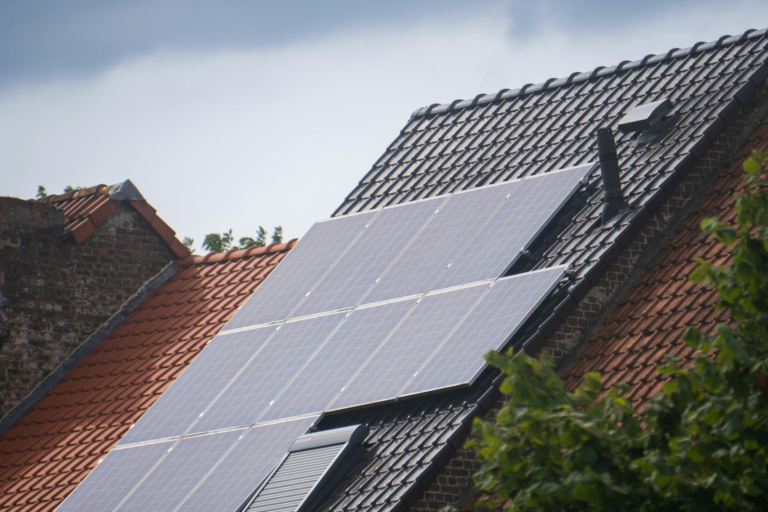
Understanding the Need for Proper Solar Weight Distribution on Older Roofs
Homeowners in Pensacola and Apalachicola are increasingly turning to rooftop solar as a way to cut electricity costs and reduce their carbon footprint. While the benefits are clear, the installation process can be more complex on homes built before the 1990s. Older roofs were often designed with lower load tolerances, meaning that the additional weight of solar panels must be carefully managed. This is where solar weight distribution roofs becomes a critical factor. Improper distribution can lead to sagging, leaks, or even structural failure, jeopardizing both the investment in solar technology and the integrity of the home. In this article, we’ll explore why weight distribution matters, how to assess an older roof, and what steps you can take to ensure a safe, long‑lasting solar system.
Solar Cost Calculator – Florida Panhandle Only
* Estimate based on $3.25 per watt for solar installation.
* For Tesla Powerwall 3 Batteries, $15,000 for the first battery, $12,000 for each additional battery.
* Other variations and types of Batteries are available.
How Roof Load Capacity Is Determined
Every roof has a design load rating, which is the maximum weight it can safely support per square foot. This rating is influenced by the type of framing, the age of the structure, and the materials used for decking and sheathing. In older homes, especially those built with lightweight wood joists or lacking modern reinforcement, the allowable load may be significantly lower than in newer constructions. Understanding the existing capacity is the first step toward effective solar weight distribution roofs planning. Engineers typically calculate the dead load (the weight of the roof itself) and the live load (temporary loads like snow, wind, and, in this case, solar panels). If the combined load exceeds the roof’s design limit, reinforcements or alternative mounting solutions become necessary.
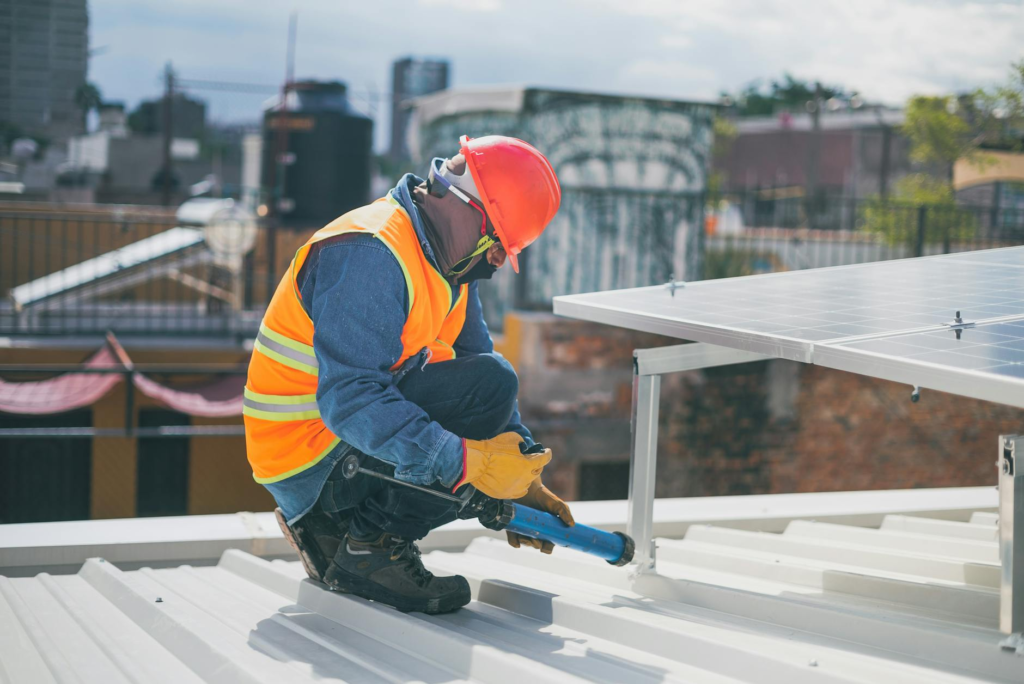
The Added Weight of Solar Panels and Racking
A typical residential solar panel weighs between 40 and 50 pounds, and a standard mounting racking system can add another 10 to 15 pounds per panel. When you multiply that by a 10‑panel array, the total additional load can approach 600 pounds, or roughly 5 to 6 pounds per square foot. While this may seem modest, it can push an older roof over its safe limit if the load is concentrated in one area. Proper solar weight distribution roofs techniques spread this weight evenly across the roof deck, reducing stress on any single joist or beam and preserving the roof’s structural health.
Why Even Distribution Is Crucial
Even weight distribution minimizes the risk of localized deflection, which can cause cracks in roofing materials, water infiltration, and even collapse under extreme conditions. When solar panels are clustered too tightly or mounted directly over weaker sections of the roof, the added pressure can exacerbate existing vulnerabilities. By using a well‑designed mounting layout that aligns with the underlying joist spacing, installers can ensure that the load is transferred to the strongest points of the structure. This practice is the essence of solar weight distribution roofs and is especially important for historic homes with aged timber framing.
Typical Challenges Found on Older Roofs
Older roofs often present a combination of issues that complicate solar installations. Common problems include:
- Degraded or rotted roof decking that cannot bear additional loads.
- Non‑standard joist spacing that makes standard racking layouts difficult.
- Presence of roof penetrations such as chimneys, vents, and skylights that interrupt load paths.
- Historic preservation guidelines that restrict modifications to the roof’s appearance.
These factors mean that a generic approach to mounting solar panels is rarely sufficient. A thorough evaluation of the roof’s condition and a customized plan for solar weight distribution roofs are essential to avoid costly repairs down the line.
Conducting a Structural Assessment Before Installation
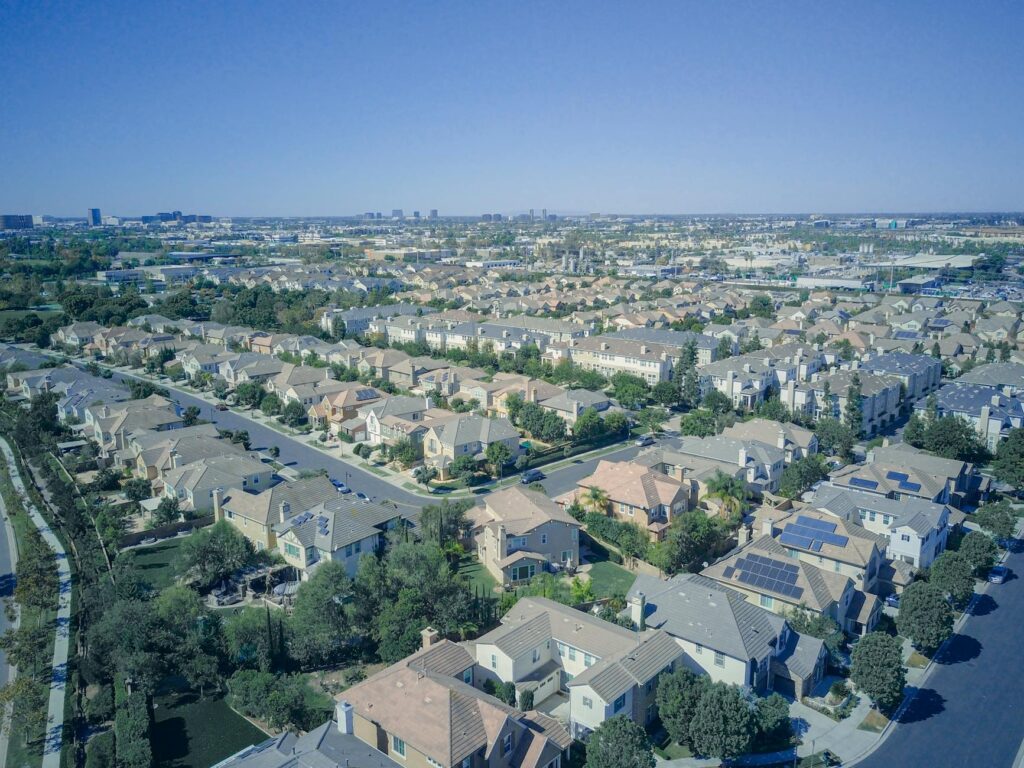
Before any panels are installed, a qualified structural engineer should inspect the roof. The assessment typically includes:
- Measuring joist size, spacing, and condition.
- Evaluating the decking material for rot, moisture damage, or warping.
- Calculating the existing dead load and allowable live load.
- Identifying any load‑bearing walls or interior framing that may affect roof performance.
Based on the findings, the engineer can recommend reinforcement options such as sistering joists, adding blocking, or installing a secondary support framework. These measures ensure that the roof can safely accommodate the extra weight, fulfilling the core principle of solar weight distribution roofs. Proper documentation of the assessment also helps satisfy local building codes and insurance requirements.
Best Practices for Distributing Solar Panel Weight
When it comes to implementing effective weight distribution, several proven strategies can be employed:
- Align mounting rails with existing joist or rafter locations to transfer loads directly to structural members.
- Use staggered panel layouts to spread weight across a broader area rather than concentrating it in one zone.
- Incorporate cross‑bracing or additional blocking between joists to create a more uniform load path.
- Select low‑profile mounting systems that reduce the vertical load impact on the roof deck.
Adhering to these guidelines not only protects the roof but also maximizes the energy production potential of the solar array by ensuring panels are optimally positioned for sunlight exposure.
Choosing the Right Mounting System for Older Roofs
Mounting systems come in several varieties, each with its own load‑distribution characteristics. For older homes, the most suitable options are usually:
- Ballasted mounts that rely on weight rather than penetrations, but require a roof with sufficient structural capacity to handle the added mass.
- Rail‑based mounts that attach directly to joists, providing a clear load path and reducing stress on the decking.
- Hybrid systems that combine minimal penetrations with strategic ballast to balance load while preserving roof integrity.
Each system should be evaluated in the context of the engineer’s assessment to ensure it aligns with the goals of solar weight distribution roofs. Selecting the correct system can mitigate the need for extensive structural upgrades, saving both time and money.
Working with Qualified Installers and Engineers
Not all solar contractors have experience with historic or aging structures. Homeowners should look for installers who:
- Partner with licensed structural engineers familiar with local building codes.
- Provide detailed load‑distribution plans as part of the proposal.
- Offer warranties that cover both the solar equipment and any structural modifications.
Clear communication between the installer, engineer, and homeowner ensures that the final design respects the roof’s limitations while delivering a reliable solar system. This collaborative approach is the cornerstone of successful solar weight distribution roofs projects.
Cost Implications and Return on Investment
Investing in structural reinforcement or specialized mounting hardware does add to the upfront cost of a solar installation. However, the long‑term savings from avoided roof repairs, extended roof lifespan, and optimized energy production often outweigh the initial expense. A well‑executed weight‑distribution strategy can also protect homeowners from future insurance claim denials related to improper installations. In the context of solar weight distribution roofs, the modest additional outlay is an essential component of a sound financial plan for solar adoption.
Quick Reference: Roof Types and Recommended Load‑Distribution Strategies
| Roof Type | Typical Load Capacity (lb/ft²) | Recommended Distribution Method |
|---|---|---|
| Wood‑shingle (pre‑1970) | 20–25 | Rail‑based mounts aligned with joists; add blocking if needed |
| Tile (mid‑20th century) | 25–30 | Hybrid system with limited penetrations; use cross‑bracing |
| Metal (post‑1980) | 30–35 | Ballasted mounts if decking is sound; otherwise rail‑based |
Frequently Asked Questions
- Can I install solar panels on a roof that needs repairs? It’s best to address any structural or roofing issues before mounting panels to ensure proper weight distribution.
- Do I need a permit for solar installations on older homes? Most municipalities in Pensacola and Apalachicola require a permit and a structural review, especially for historic properties.
- How often should I inspect the roof after solar installation? Annual inspections are recommended to check for any signs of sagging, leaks, or mounting hardware loosening.
By understanding the importance of solar weight distribution roofs, homeowners can protect their historic investments while enjoying the benefits of clean energy. Proper planning, professional assessments, and the right mounting solutions are the keys to a safe, efficient, and long‑lasting solar system.
Conclusion: Ensuring that solar panels are evenly distributed across older roofs not only safeguards the structural integrity of the home but also maximizes the performance and lifespan of the solar array. With careful assessment and the right installation practices, residents of Pensacola, Apalachicola, and surrounding areas can confidently transition to renewable energy without compromising their cherished historic properties.
