



Understanding why utility pole shade changes throughout the year is essential for homeowners, landscapers, and municipal planners alike. In the Florida Panhandle, the combination of latitude, coastal breezes, and the region’s unique solar trajectory creates a dynamic pattern of shadows that can affect everything from backyard gardening to solar panel efficiency. This article explores the scientific principles behind the shifting shadows, the role of utility pole design, and practical steps you can take to adapt to these seasonal variations. By the end, you’ll have a clear picture of how the utility pole shade solar relationship evolves from winter to summer and what it means for your property.
Find us here:
Solar Cost Calculator – Florida Panhandle Only
* Estimate based on $3.25 per watt for solar installation.
* For Tesla Powerwall 3 Batteries, $15,000 for the first battery, $12,000 for each additional battery.
* Other variations and types of Batteries are available.
How the Sun Moves Through the Seasons
The Earth’s axial tilt of approximately 23.5 degrees is the primary driver of seasonal sun angle changes. As the planet orbits the sun, the tilt causes the sun’s apparent path across the sky to shift northward in summer and southward in winter. In the Florida Panhandle, this shift translates to higher solar elevation angles during the summer months, meaning the sun sits more directly overhead, while in winter the sun follows a lower, more oblique trajectory. These variations directly influence the length and direction of shadows cast by any vertical object, including utility poles. When the sun is high, shadows are short and point north; when the sun is low, shadows lengthen dramatically and swing toward the south.
The Geometry of Utility Poles
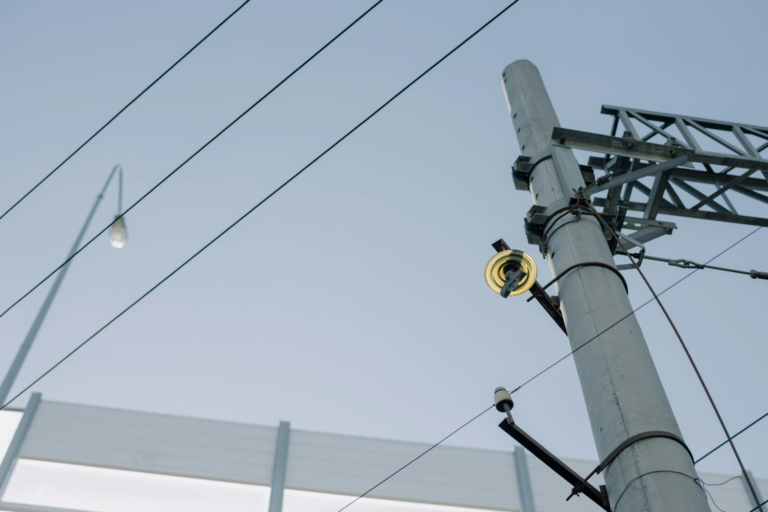
Utility poles are engineered to be both sturdy and functional, typically standing between 30 and 50 feet tall, with a standard cross‑section that is roughly cylindrical. The pole’s height, the angle of the attached power lines, and any ancillary equipment (like transformers or streetlights) affect how shadows are cast. Because the pole is a single, vertical element, its shadow behaves predictably based on the sun’s position in the sky. However, the presence of nearby structures, trees, and even the terrain can modify the clear‑cut shadow line, creating complex patterns that shift as the season changes. This is why the utility pole shade solar dynamics are especially noticeable in neighborhoods with dense housing or varied topography.
Seasonal Sun Angle Impact on Shade
During the summer solstice, the sun reaches its highest point at solar noon, often exceeding an elevation angle of 80 degrees in the Panhandle. At this angle, a 40‑foot pole may cast a shadow less than 10 feet long, usually directed toward the north. Conversely, at the winter solstice, the solar elevation can drop below 30 degrees, causing the same pole to produce a shadow that stretches over 70 feet, often pointing toward the south. The change in shadow length is not linear; the most dramatic shift occurs between late autumn and early spring when the sun’s path transitions from a low to a moderate angle. This is the period when residents notice the most significant variation in the utility pole shade solar pattern.
Florida Panhandle Specific Factors
The Florida Panhandle sits at roughly 30 degrees north latitude, which places it in a sweet spot for pronounced seasonal sun angle swings. Coastal breezes can also influence the apparent position of the sun by causing slight atmospheric refraction, especially during the hot, humid months. Additionally, the region’s flat terrain means there are fewer natural obstructions that could otherwise block or alter shadows. As a result, the utility pole shade solar effect is often more uniform and predictable across neighborhoods, making it easier for planners to model shade patterns for infrastructure projects.
Practical Implications for Residents
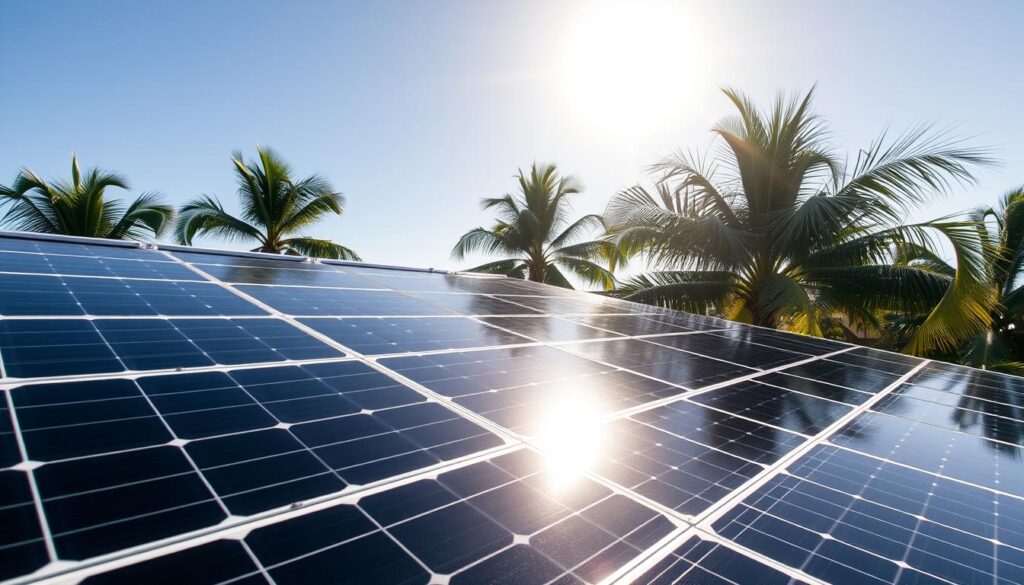
Understanding how utility pole shadows shift can help homeowners make informed decisions about landscaping, outdoor living spaces, and renewable energy installations. For example, a garden bed placed under a pole’s winter shadow may receive insufficient sunlight for sun‑loving plants, while the same spot could become overly exposed during summer. Similarly, solar panels mounted on rooftops near utility poles might experience reduced efficiency in winter if the pole’s long shadow falls on the array during peak sun hours. By tracking the seasonal shadow patterns, residents can plan plant placement, patio orientation, and solar panel positioning to maximize comfort and energy production.
Tips for Managing Shade Throughout the Year
- Map your property’s shadow lines in each season using a simple sun‑path calculator or a smartphone app.
- Plant shade‑tolerant species in areas that receive consistent winter shadow, such as ferns, hostas, or certain ornamental grasses.
- Reserve sunny zones for vegetables, herbs, and solar panels that need direct sunlight during the colder months.
- Consider installing adjustable awnings or pergolas that can be repositioned as the sun’s angle changes.
- Trim nearby trees regularly to prevent additional shading that could compound the utility pole’s effect.
Average Sun Elevation Angles by Month (Florida Panhandle)
| Month | Average Solar Elevation at Noon (°) |
|---|---|
| January | 35 |
| February | 45 |
| March | 55 |
| April | 65 |
| May | 73 |
| June | 80 |
| July | 78 |
| August | 70 |
| September | 60 |
| October | 50 |
| November | 40 |
| December | 33 |
Frequently Asked Questions
Will the utility pole shade affect my home’s cooling costs?
Yes, during summer months the short north‑facing shadow can keep a portion of your yard cooler, potentially reducing the need for air‑conditioning if you have outdoor living spaces that stay shaded. In winter, the longer southern shadow may increase cooling demand on the house’s southern façade, but this effect is generally minor compared to overall climate factors.
Can I request a utility pole relocation to improve sunlight exposure?
Most utility companies have strict guidelines for pole placement due to safety and service reliability. While relocation is rarely approved for aesthetic reasons, you may request a review if the pole poses a hazard or interferes with a major solar installation. It’s best to consult your local utility’s public works department for specific policies.
How accurate are online shadow‑mapping tools?
Modern tools that incorporate your exact latitude, longitude, and pole dimensions can provide shadow length estimates within a few feet, which is sufficient for most residential planning. For precise engineering projects, a site survey with a sun‑path diagram is recommended.
By recognizing how the utility pole shade solar relationship changes with the seasons, residents of the Florida Panhandle can make smarter choices about landscaping, energy use, and outdoor design. Monitoring sun angles, using the simple table above, and applying the practical tips provided will help you turn a shifting shadow into an advantage rather than a nuisance.
