
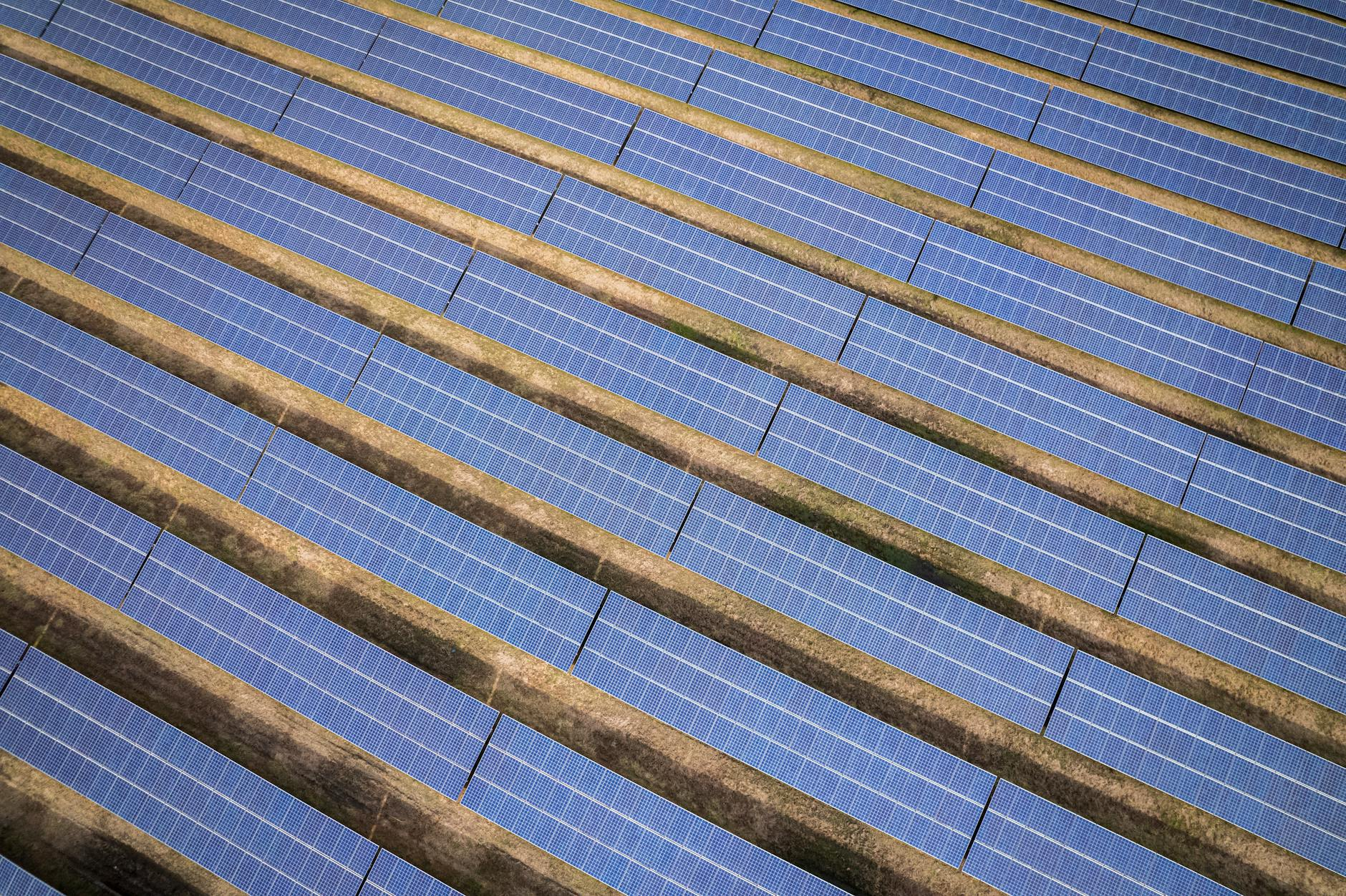
Solar energy is a growing investment for homeowners across the Florida Panhandle, but the maintenance routine can differ dramatically depending on whether a house sits beside the ocean or further inland. The key to preserving panel efficiency lies in understanding how local environmental factors—especially salt‑laden air and varying dust patterns—affect panel performance over time. By tailoring a cleaning schedule that reflects these conditions, you can avoid costly power losses and extend the lifespan of your system. In this article we’ll explore why panel cleaning frequency varies between coastal and inland homes, outline practical maintenance strategies, and help you decide how often to schedule your coastal inland solar cleaning sessions for optimal results.
Find us here:
Solar Cost Calculator – Florida Panhandle Only
* Estimate based on $3.25 per watt for solar installation.
* For Tesla Powerwall 3 Batteries, $15,000 for the first battery, $12,000 for each additional battery.
* Other variations and types of Batteries are available.
Environmental Forces at Play
Coastal regions are constantly exposed to a marine atmosphere that carries microscopic salt particles. When wind drives these particles onto solar panels, they can settle as a thin, conductive film that attracts moisture and accelerates corrosion. Inland areas, by contrast, tend to experience higher concentrations of dust, pollen, and occasional industrial pollutants, especially during dry seasons. Both environments create unique challenges for photovoltaic (PV) systems, but the mechanisms of soiling differ enough to require distinct cleaning intervals. Recognizing these forces is the first step toward developing a reliable coastal inland solar cleaning plan that aligns with the specific threats each location presents.
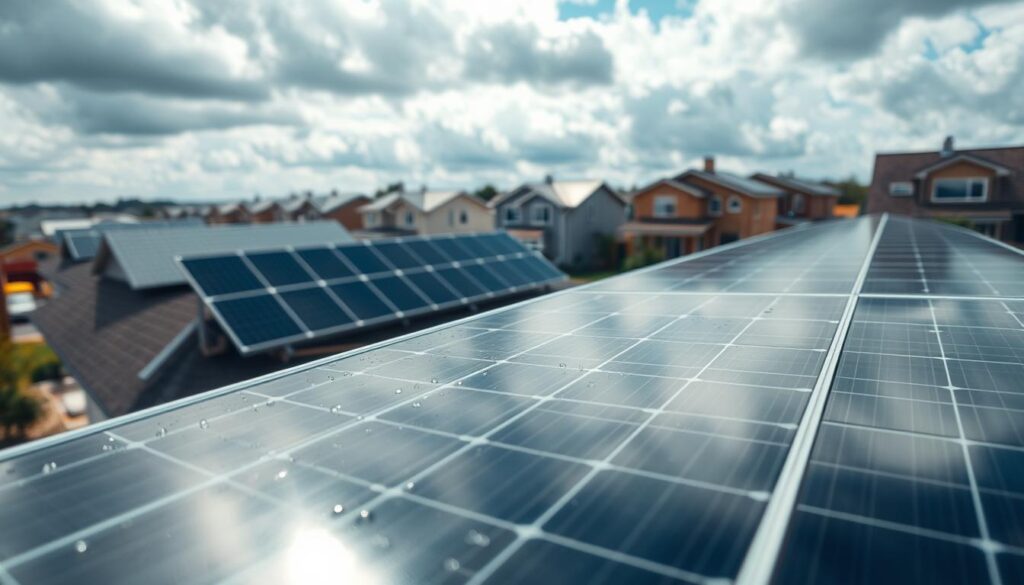
Salt Air’s Impact on Coastal Panels
Salt is a natural conductor, and when it accumulates on the glass surface of solar panels it can create a thin electrolytic layer. This layer not only reduces light transmission but also encourages the formation of tiny corrosion spots on the frame and mounting hardware. Over time, these spots can expand, leading to micro‑cracks that compromise structural integrity. Because the salty residue builds up quickly—often within a few weeks of exposure—coastal homeowners typically need to clean their panels more frequently than those living farther from the shoreline. A well‑timed coastal inland solar cleaning routine, performed at least once every one to two months during peak salt exposure periods, can dramatically improve energy output.
Dust, Pollen, and Inland Airborne Particles
Inland homes contend with a different set of contaminants. Dry, windy days stir up fine dust and sand, while seasonal pollen spikes can blanket panels in a light, yet stubborn, layer. These particles primarily block sunlight rather than cause corrosion, but they still reduce the system’s efficiency by up to 10 % if left unchecked. Because dust accumulation tends to be slower than salt deposition, inland residents often find that a quarterly cleaning schedule—every three to four months—maintains optimal performance. However, during droughts or after major construction projects, the frequency may need to increase to prevent a sudden drop in output.
Direct Comparison of Cleaning Frequencies
| Location | Typical Cleaning Interval | Primary Soiling Agent |
|---|---|---|
| Coastal | Every 1–2 months | Salt spray & sea‑borne moisture |
| Inland | Every 3–4 months | Dust, pollen, and dry particles |
The table above illustrates the core differences that drive the need for distinct maintenance schedules. While the numbers provide a general framework, real‑world conditions—such as local wind patterns, proximity to industrial zones, and seasonal weather shifts—can push these intervals higher or lower. Homeowners should treat the guidelines as a starting point and adjust based on visual inspections and performance monitoring.

Best Practices for Coastal Homeowners
For those living directly on the Gulf or Atlantic shores, a proactive approach to coastal inland solar cleaning is essential. Start by inspecting panels after storms, as high winds can deposit a fresh layer of salt in a single event. Use a soft, non‑abrasive brush or a low‑pressure hose to rinse away the residue before it hardens. Avoid harsh chemicals; a mixture of distilled water and a mild, pH‑balanced soap is sufficient. Additionally, consider installing protective coatings designed to repel salt and reduce the frequency of deep cleanings. Regularly trimming nearby vegetation can also limit the amount of airborne pollen that reaches the panels during peak bloom periods.
Best Practices for Inland Homeowners
Inland residents benefit from a slightly more relaxed cleaning cadence, but vigilance remains important during dry spells. Dust can cling to the anti‑reflective coating on the glass, so a gentle spray with a soft brush is usually enough to restore clarity. When pollen levels are high—typically in spring—schedule an extra cleaning session to prevent the fine particles from forming a semi‑permanent film. For homes near construction sites or unpaved roads, increase the cleaning frequency to every six weeks during peak activity. Installing a modest tilt angle on the panels can also encourage rainwater to wash away light debris naturally.
Professional vs. DIY Cleaning
Both coastal and inland homeowners face a choice between hiring a certified solar cleaning service and tackling the job themselves. Professional crews bring safety equipment, specialized tools, and expertise in handling salt‑induced corrosion, which can be especially valuable for high‑rise or rooftop installations. They also typically offer a maintenance contract that includes regular coastal inland solar cleaning visits, performance monitoring, and warranty protection. DIY cleaning, on the other hand, can save money if you have the right equipment and follow safety guidelines—always work from a stable platform and never stand on the panels themselves. Weigh the cost of labor against the potential risk of damaging delicate components, especially in harsh coastal environments.
Cost Considerations and Return on Investment
While the upfront cost of professional cleaning may seem higher, the long‑term return on investment can be significant. Studies show that each percent of lost efficiency due to soiling can translate into a proportional loss in annual revenue. For a typical 6 kW residential system in the Panhandle, a 5 % efficiency drop could cost roughly $150 per year. By maintaining a disciplined coastal inland solar cleaning schedule, you can preserve that revenue and potentially extend the system’s warranty period. For DIY enthusiasts, the main expense is equipment—soft brushes, squeegees, and a reliable hose—plus the value of your time.
Creating a Custom Maintenance Calendar
Developing a calendar that reflects both seasonal changes and local weather events is the most effective way to stay on top of panel health. Begin by marking the typical storm season for coastal areas (June – October) and scheduling extra coastal inland solar cleaning sessions after any major gale. For inland homes, note the pollen calendar and plan a cleaning in late spring when concentrations peak. Use a digital reminder system or a simple spreadsheet to log each cleaning date, the method used, and any observations such as visible salt crusts or dust buildup. Over time, this log will help you fine‑tune the interval that delivers the best balance between effort and performance.
Monitoring Panel Performance
Most modern inverters include a monitoring portal that tracks daily energy production. A sudden dip of 5 % or more often signals that a cleaning is overdue. By correlating performance data with your maintenance log, you can confirm whether your coastal inland solar cleaning schedule is effective or needs adjustment. Some third‑party apps also allow you to set alerts for when output falls below a preset threshold, prompting an immediate inspection. Regular performance reviews empower you to make data‑driven decisions rather than relying solely on visual cues.
Environmental Sustainability Benefits
Beyond financial incentives, maintaining clean panels contributes to broader sustainability goals. Efficient solar systems generate more clean electricity per square foot, reducing reliance on fossil fuels. In coastal regions, frequent cleaning helps mitigate the corrosive impact of salt on mounting hardware, potentially decreasing the need for replacement parts and associated manufacturing emissions. Inland, timely dust removal ensures that panels operate at peak efficiency, maximizing the renewable energy contribution to the grid. By adopting a tailored coastal inland solar cleaning routine, homeowners play an active role in preserving both their investment and the environment.
Key Takeaways
- Salt spray accelerates soiling on coastal panels, often requiring cleaning every 1–2 months.
- Inland dust and pollen accumulate more slowly, making a 3–4 month cleaning interval generally sufficient.
- Professional cleaning offers safety and specialized tools, especially valuable for high‑risk coastal installations.
- Monitoring system performance helps fine‑tune your cleaning schedule for both coastal and inland environments.
- Maintaining clean panels enhances energy output, extends system lifespan, and supports sustainability goals.
Whether your home hugs the shoreline or sits farther inland, understanding the distinct challenges each environment presents is essential for effective panel maintenance. By implementing a strategic coastal inland solar cleaning plan that aligns with local conditions, you protect your investment, boost energy production, and contribute to a greener future.