
Introduction: Why Roof Details Matter for Solar Projects
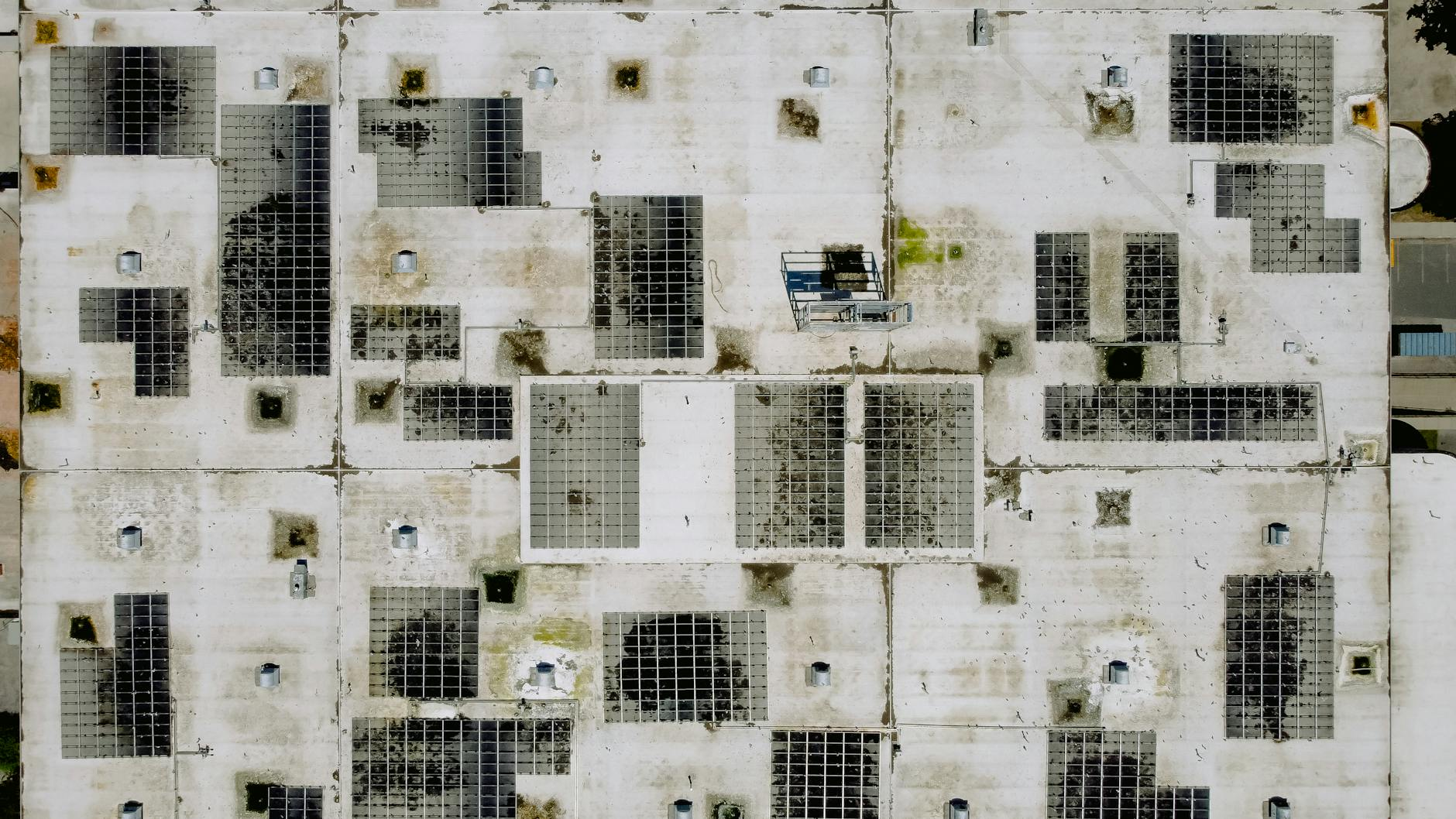
When homeowners in the Florida Panhandle consider adding photovoltaic panels, the conversation often starts with sunlight exposure, available roof space, and state incentives. Yet a hidden factor can dramatically shift the budget: roof obstructions. Elements such as chimneys, vent pipes, skylights, and even decorative trim can force installers to redesign mounting systems, add custom hardware, or even relocate panels to less‑optimal areas. These adjustments translate directly into higher labor hours, additional materials, and sometimes the need for structural reinforcement. In this article we explore how roof obstructions influence the overall solar installation cost, outline the most common obstacles found in the region, and provide practical tips to keep your roof obstructions solar cost impact to a minimum.
Find us here:
Solar Cost Calculator – Florida Panhandle Only
* Estimate based on $3.25 per watt for solar installation.
* For Tesla Powerwall 3 Batteries, $15,000 for the first battery, $12,000 for each additional battery.
* Other variations and types of Batteries are available.
Understanding Roof Obstructions and Their Role in Project Planning
Before a solar contractor steps onto the roof, a detailed site survey identifies any features that could interfere with a clean, efficient array layout. These are collectively referred to as roof obstructions. While a single vent pipe might seem trivial, the cumulative effect of multiple obstructions can force a redesign of the racking system, increase the number of mounting brackets, and even require custom flashing. Each of these variables adds to the roof obstructions solar cost equation, influencing both the upfront estimate and the long‑term performance of the system.
How Installers Quantify Obstruction Impact
Professional installers use a combination of visual inspection and drone imaging to map the roof’s geometry. They calculate the “usable area” after subtracting the space occupied by obstructions. This usable area determines how many panels can be placed without shading or excessive spacing. The more area lost, the more panels may be needed to meet the desired kilowatt output, which directly raises material costs. Additionally, each obstruction may require a specific mounting solution—such as a “step‑up” bracket for a skylight or a custom flash for a chimney—that adds labor time and specialized components, further affecting the roof obstructions solar cost.
Common Types of Roof Obstructions in the Florida Panhandle
The Panhandle’s climate and architectural trends produce a distinctive set of roof features. Understanding these helps homeowners anticipate potential cost drivers.
- Chimneys and flues – often central and tall, requiring custom flashing.
- Vent pipes (dryer, bathroom, attic) – numerous and sometimes clustered.
- Skylights – attractive but create gaps that need step‑up mounting.
- Roof hatches and access panels – may need removal or relocation.
- Decorative ridge caps and finials – can interfere with panel placement near the roof edge.
- Solar shading devices (awnings, pergolas) – affect optimal tilt angles.
Each of these elements can increase the roof obstructions solar cost if not addressed early in the design phase. For example, a typical residential chimney may add $300–$600 for custom flashing, while multiple vent pipes could add $150–$250 per pipe for specialized brackets.
How Obstructions Increase Installation Complexity
Installation complexity rises when the standard racking system cannot be applied uniformly across the roof. Installers must then:
- Design custom mounting solutions for each obstruction.
- Adjust panel layout to avoid shading, which may reduce overall system efficiency.
- Perform additional sealing work to prevent water intrusion around penetrations.
- Allocate extra safety measures for working around uneven roof heights caused by step‑up brackets.
These extra steps translate into higher labor rates and longer project timelines. In the Florida Panhandle, where labor costs average $75–$90 per hour for certified installers, even a few additional hours can add several hundred dollars to the final bill. Consequently, the roof obstructions solar cost can climb quickly if the site is densely populated with obstacles.
Cost Factors Directly Linked to Roof Obstructions
While the base price of solar panels and inverters remains relatively stable, the following cost categories are most sensitive to roof obstructions:
- Mounting hardware: Custom brackets, step‑up rails, and specialty flashing are priced per unit.
- Labor hours: Additional time for precise measurement, cutting, and sealing.
- Engineering design: Structural analysis may be required for heavy or irregular loads.
- Permitting: Some municipalities require extra documentation for modifications near chimneys or skylights.
By quantifying each of these items, installers can provide a transparent breakdown of the roof obstructions solar cost. Homeowners who understand where the money goes are better equipped to make informed decisions about mitigation strategies.
Mitigation Strategies to Reduce Roof Obstructions Solar Cost
There are several proactive steps homeowners can take before the installer arrives. These measures often result in a lower overall project cost while preserving the aesthetic integrity of the home.
- Consolidate vent pipes where possible, reducing the number of mounting points.
- Seal or temporarily remove unused skylights during installation, then reinstall them after panel placement.
- Consider alternative mounting locations, such as a ground‑mount or a carport, if roof obstructions are extensive.
- Schedule a pre‑installation roof inspection to address any needed repairs, preventing surprise costs.
- Work with a designer to integrate the solar array into the roof’s existing architecture, minimizing custom hardware.
Implementing these strategies can shave 5%–15% off the roof obstructions solar cost, depending on the severity and number of obstacles.
Simple Cost Comparison Table
| Obstruction Type | Typical Impact on Cost | Mitigation Options |
|---|---|---|
| Chimney | +$300–$600 for custom flashing | Relocate panels or use step‑up brackets |
| Vent Pipe | +$150–$250 per pipe | Consolidate pipes; use low‑profile brackets |
| Skylight | +$200–$400 for step‑up mounting | Temporarily remove during install |
| Roof Hatch | +$100–$200 for sealing | Replace with panel‑compatible hatch |
Working with Installers: What to Expect
A reputable solar contractor will perform a detailed roof survey and provide a written report highlighting any obstructions that could affect the roof obstructions solar cost. Expect the following steps:
- Initial site visit with drone imaging to map roof geometry.
- Measurement of each obstruction and calculation of usable area.
- Presentation of a customized layout showing panel placement and any required custom hardware.
- Transparent cost breakdown, separating standard equipment from obstruction‑related expenses.
Ask for a “cost‑by‑obstruction” addendum so you can see exactly how each chimney, vent, or skylight influences the final price. This level of detail helps you prioritize which obstacles to address before moving forward.
Case Study: A 4,500‑Square‑Foot Home in Panama City
John and Maria wanted a 7 kW system to offset their electric bill. Their roof featured two large chimneys, three vent stacks, and a central skylight. The initial quote, based on a standard racking layout, was $21,500. After the installer’s obstruction analysis, the following adjustments were made:
- Custom flashing for both chimneys added $500.
- Step‑up brackets for the skylight added $350.
- Additional low‑profile brackets for three vent stacks added $450.
- Re‑routing panels to avoid the skylight reduced the array’s efficiency by 2%, requiring one extra panel, adding $300.
The revised total was $23,100, reflecting a $1,600 increase directly tied to roof obstructions. By temporarily removing the skylight and consolidating two vent stacks before installation, John and Maria could have saved approximately $600, demonstrating how early mitigation reduces the roof obstructions solar cost.
Frequently Asked Questions
Do roof obstructions affect the performance of a solar system?
Yes. Panels placed around obstructions may experience shading or sub‑optimal tilt angles, which can lower the system’s overall output. Proper layout design minimizes these losses, but the presence of many obstacles often means a slight efficiency trade‑off.
Can I install panels on a roof with multiple chimneys?
Absolutely. Installers use custom flashing and step‑up brackets to clear chimneys safely. While this adds to the roof obstructions solar cost, the system can still achieve the desired capacity with careful planning.
Is it worth removing skylights to save on installation costs?
Removing a skylight eliminates the need for special mounting hardware, potentially saving $200–$400. However, consider the loss of natural light and any resale value impact before deciding.
Conclusion
Roof obstructions are a hidden but significant driver of solar installation expenses in the Florida Panhandle. By recognizing common obstacles, understanding how they affect the roof obstructions solar cost, and proactively addressing them—whether through consolidation, temporary removal, or alternative mounting—homeowners can keep their projects on budget while still enjoying the benefits of clean energy.