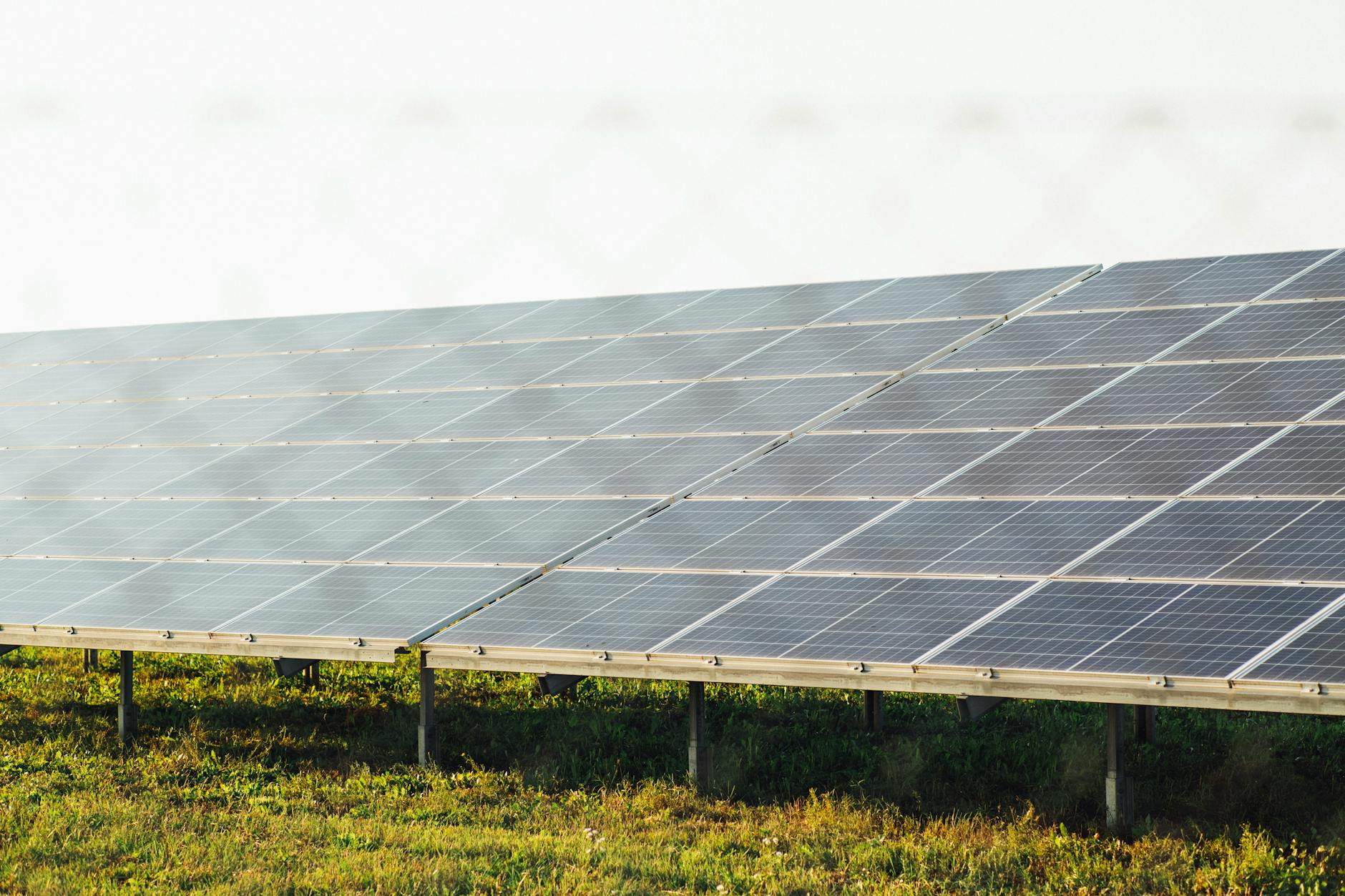
When homeowners in coastal Florida hear the word “hail,” they often picture damage to roofs, cars, and, most notably, solar arrays. Yet the reality is far more nuanced. Advances in material science, rigorous certification processes, and real‑world testing have produced a new generation of panels that can shrug off impacts that would have shattered older models. For residents of Pensacola and Panama City, where summer thunderstorms can unleash hailstones the size of golf balls, understanding why modern solar panels handle hail better than most people think is essential before making a substantial investment.
Find us here:
Solar Cost Calculator – Florida Panhandle Only
* Estimate based on $3.25 per watt for solar installation.
* For Tesla Powerwall 3 Batteries, $15,000 for the first battery, $12,000 for each additional battery.
* Other variations and types of Batteries are available.
Understanding Hail Impact on Solar Panels
Hail forms when strong updrafts in thunderstorms carry water droplets above the freezing level, turning them into ice. As these ice pellets fall, they can reach velocities of 70–100 miles per hour, delivering kinetic energy that can crack or shatter the glass surface of a solar module. The damage isn’t just cosmetic; a compromised front sheet can expose delicate silicon cells to moisture, leading to corrosion, reduced efficiency, and even complete failure. Historically, the industry relied on standard tempered glass that, while durable, was not specifically engineered for repeated high‑impact events. This is why early installations in hail‑prone zones sometimes required costly repairs or replacements after a severe storm.
Evolution of Solar Panel Design
Glass Technology: From Tempered to Reinforced
Today’s panels often feature laminated or chemically strengthened glass that exceeds the performance of conventional tempered glass. By applying a thin interlayer of polyvinyl butyral (PVB) or ethylene‑vinyl acetate (EVA) between two glass sheets, manufacturers create a sandwich that distributes impact forces more evenly. This laminated construction not only improves hail resistance but also enhances overall durability against wind‑driven debris. In addition, some brands use low‑iron glass with a higher tensile strength, reducing the likelihood of cracking under sudden impact. The result is a surface that can absorb the shock of a 25 mm hailstone without losing its optical clarity or protective qualities.
Frame Materials: From Aluminum to Composite Alloys
The frame of a solar module plays a crucial role in how impact energy is transferred. Traditional aluminum frames are lightweight and corrosion‑resistant, yet they can bend under extreme force. Modern designs incorporate high‑strength alloys and composite materials that maintain rigidity while adding flexibility where it matters most. Some manufacturers integrate ribbed or corrugated reinforcement ribs within the frame, acting like a shock absorber that mitigates the force transmitted to the glass. This engineering approach significantly boosts the hail resistance of solar panels without adding substantial weight, a factor that is especially important for rooftop installations where structural load limits are strict.
Testing Standards and Real‑World Data
To verify that a solar module can survive hail, industry standards such as IEC 61215 and UL 1703 require manufacturers to undergo rigorous impact testing. In a typical hail test, panels are exposed to steel balls of varying diameters (often 15 mm, 25 mm, and 38 mm) dropped from heights that simulate real‑world velocities. The panels must continue to operate within 90 % of their original power output after the test to pass certification. While these tests provide a baseline, independent research firms have taken the analysis further, deploying instrumented panels in hail‑heavy regions and monitoring performance over multiple storm seasons. Their findings consistently show that panels labeled as hail‑resistant maintain higher output and require fewer warranty claims than standard models.
| Test Parameter | Standard Requirement | Typical Modern Panel Performance |
|---|---|---|
| Hailstone Diameter | 25 mm (1 in.) | Passes without power loss |
| Impact Velocity | 70 mph (≈30 m/s) | Maintains ≥95 % efficiency |
| Post‑Impact Power Retention | ≥90 % | Often ≥98 % |
The data above underscores why hail resistance solar panels have become the preferred choice for installers in the Gulf Coast. By meeting or exceeding the stringent test parameters, these modules demonstrate a resilience that translates directly into lower maintenance costs and longer system lifespans—key considerations for homeowners who expect a return on investment over 25 to 30 years.
Why Modern Panels Outperform Expectations
- Advanced laminated glass spreads impact forces, reducing the chance of cracks.
- High‑strength frame alloys keep the module rigid while absorbing shock.
- Stringent certification ensures panels survive hailstones up to 25 mm at 70 mph.
- Real‑world monitoring shows power loss after hail events is typically under 2 %.
- Improved sealing techniques protect electrical connections from moisture infiltration.
Beyond the physical attributes, manufacturers also invest in quality control processes that catch microscopic imperfections before a panel leaves the factory. Automated laser scanning and ultrasonic testing identify weak points that could become failure sites under impact. Combined with the use of anti‑reflective coatings that are less prone to chipping, these steps create a holistic system where each component reinforces the others, resulting in a solar array that can weather the harshest hailstorms without compromising performance.
Regional Considerations: Pensacola & Panama City
The Gulf Coast’s climate presents a unique challenge: hot, humid summers punctuated by intense thunderstorms that frequently produce hail. In Pensacola, the National Weather Service records an average of 12 hail days per year, with occasional events exceeding 30 mm in diameter. Panama City experiences a similar pattern, with the added risk of tropical storms that can bring larger hailstones and higher wind speeds. For homeowners in these areas, selecting hail resistance solar panels is not just a matter of durability—it directly influences the long‑term financial viability of the system. Panels that can survive the local hail profile reduce the likelihood of costly repairs and keep the system’s production levels stable year after year.
Choosing the Right Installer
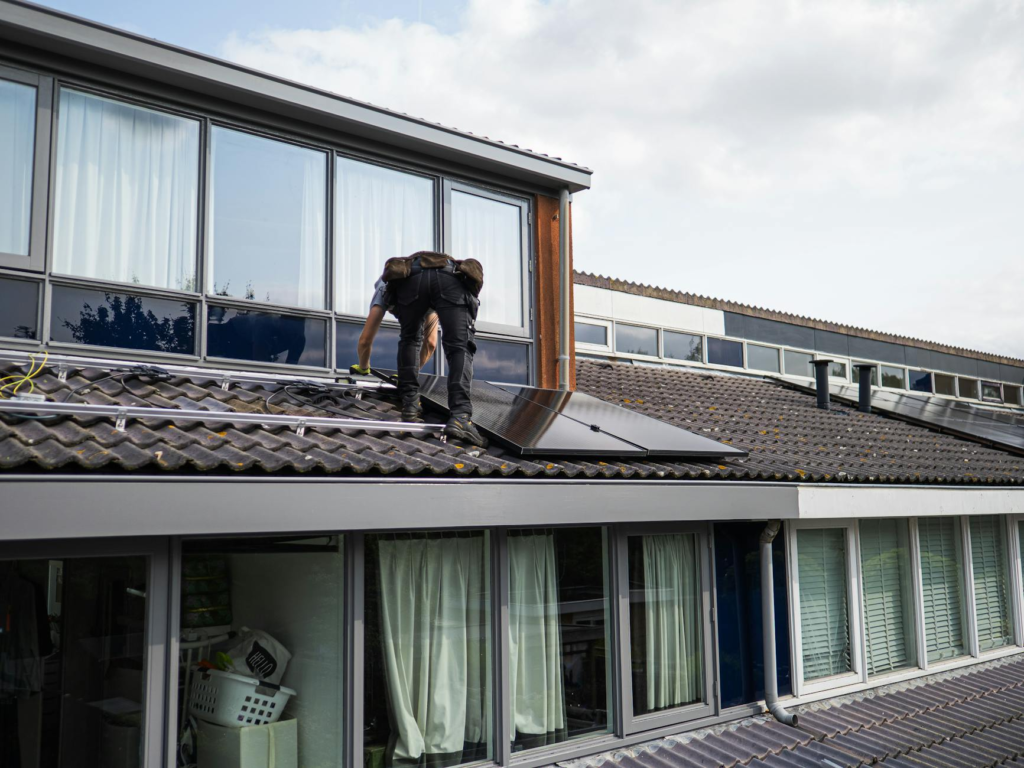
Even the most robust hail‑resistant panels can be compromised by improper installation. Certified installers familiar with local building codes will ensure that mounting hardware is correctly anchored, that the tilt angle minimizes hail impact, and that all sealants are applied uniformly to prevent water ingress. Many reputable installers in Pensacola and Panama City now offer a “hail‑proof” warranty extension that covers any performance degradation directly linked to hail events, provided the system was installed according to manufacturer specifications. When evaluating potential contractors, ask about their experience with hail‑resistant products, request references from previous Gulf Coast projects, and verify that they follow the latest IEC and UL testing guidelines.
In summary, modern solar panels have undergone a technological renaissance that dramatically improves their ability to withstand hail. From reinforced laminated glass and high‑strength frames to rigorous certification testing and meticulous installation practices, each layer of protection contributes to a system that can endure the unpredictable weather patterns of Pensacola and Panama City. By opting for hail resistance solar panels, homeowners not only protect their investment but also ensure a reliable, high‑output energy source for decades to come.