



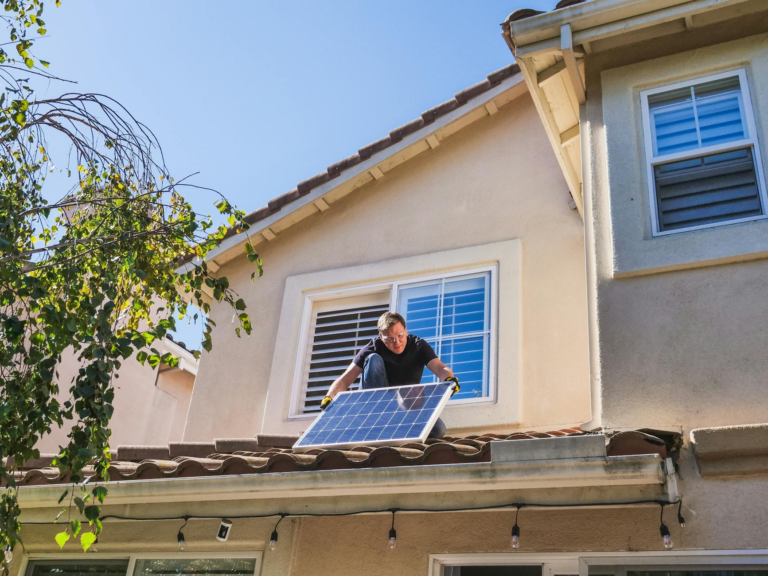
Introduction: The Hidden Link Between Coastal Storms and Solar System Care
When a tropical system rolls across the Florida Panhandle, the most immediate concerns are wind speed, rain totals, and the potential for power outages. Yet, for homeowners and commercial property managers who have invested in photovoltaic (PV) installations, there is another, less obvious factor that can dictate the success of their renewable energy strategy: storm debris. The accumulation of wind‑blown branches, roofing shingles, and even sand can create unique challenges for post‑storm inspections and repairs. Understanding how this storm debris influences solar maintenance planning helps protect the system’s performance, extend its lifespan, and keep warranty claims valid. Throughout this article we’ll explore the ways in which storm debris solar maintenance considerations intersect, and provide actionable steps for anyone responsible for keeping a solar array running smoothly after a coastal event.
Find us here:
Solar Cost Calculator – Florida Panhandle Only
* Estimate based on $3.25 per watt for solar installation.
* For Tesla Powerwall 3 Batteries, $15,000 for the first battery, $12,000 for each additional battery.
* Other variations and types of Batteries are available.
Understanding Coastal Storm Debris and Its Pathways
Coastal storms generate a chaotic mix of materials that travel great distances before settling on rooftops or ground‑level arrays. The high‑velocity winds can lift entire sections of roof sheathing, dislodge siding, and toss palm fronds hundreds of feet. Once the storm passes, this debris often lands on solar panels, mounting rails, and inverter enclosures. In the Florida Panhandle, the combination of salty air, dense vegetation, and loose construction materials creates a perfect storm for future maintenance headaches. The debris not only blocks sunlight, reducing energy production, but also adds weight that can stress mounting hardware. Moreover, when moisture becomes trapped beneath fallen branches or tarps, it accelerates corrosion on metal components. Recognizing these pathways is essential for developing a comprehensive storm debris solar maintenance plan that anticipates both visible and hidden damage.
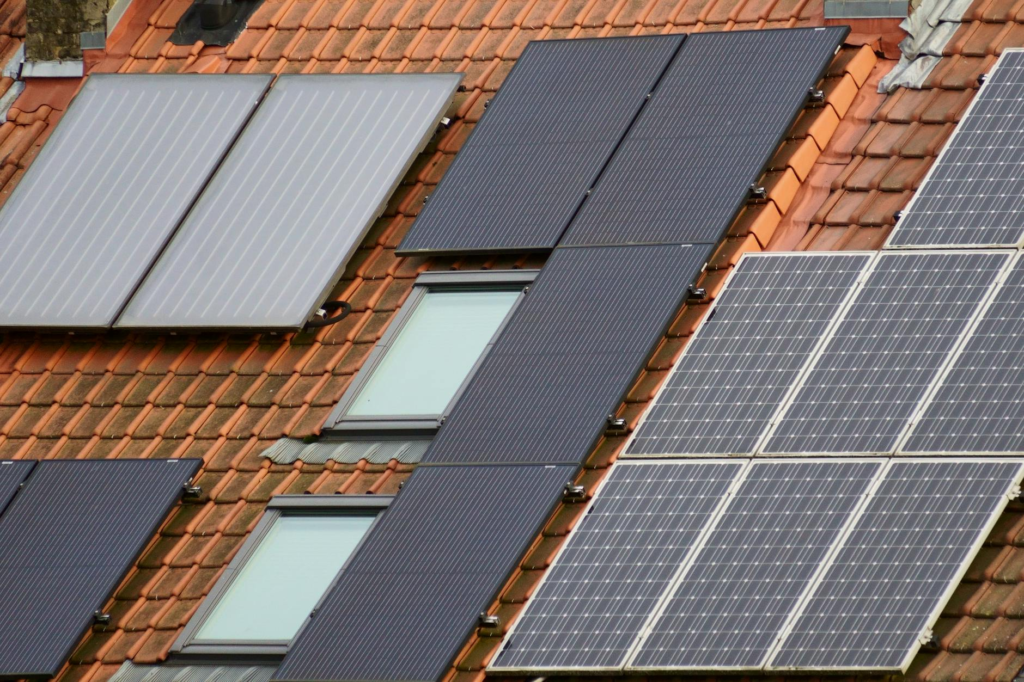
How Debris Directly Impacts Solar Panels and Inverters
Solar panels are designed to endure harsh weather, yet they are not immune to the abrasive force of flying objects. When a large branch or piece of roofing material lands on a glass surface, it can crack the panel or create micro‑fractures that are invisible to the naked eye. Over time, these micro‑fractures become entry points for moisture, leading to delamination and reduced output. Inverters, which sit at ground level or on the roof, are also vulnerable; they can become clogged with sand, leaves, or even small debris that obstructs cooling vents. This blockage can cause the inverter to overheat, trigger safety shutdowns, or shorten its operational life. By incorporating the key phrase storm debris solar maintenance into routine checklists, technicians can systematically address these specific risks and ensure that each component remains within manufacturer specifications.
Common Types of Debris Found on Florida Panhandle Solar Installations
The variety of debris encountered after a storm can be grouped into several categories, each with its own set of maintenance implications. First, organic material such as palm fronds, pine needles, and broken branches can retain moisture and encourage fungal growth on panel surfaces. Second, inorganic debris—including broken tiles, metal flashing, and concrete fragments—adds physical weight that may exceed the design load of the mounting system. Third, fine particulates like sand and salt spray settle into seams and connectors, accelerating galvanic corrosion. Finally, human‑made waste such as discarded construction debris or loose roofing insulation can obstruct access panels, making routine service more time‑consuming. Understanding these categories helps technicians prioritize cleaning tasks and select the appropriate tools, ultimately supporting a more efficient storm debris solar maintenance workflow.
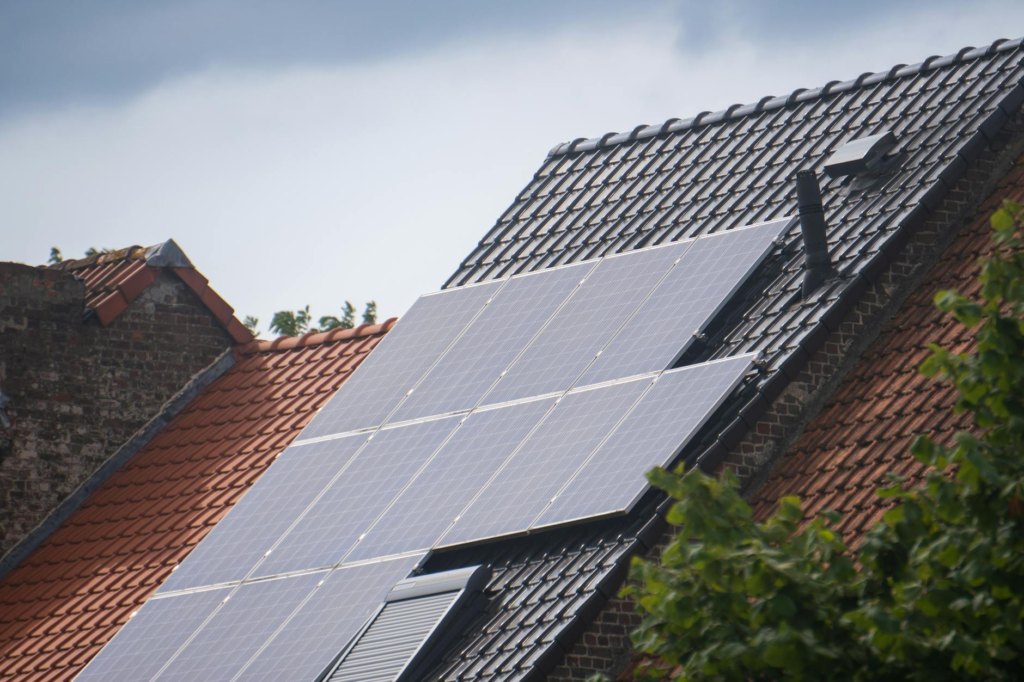
Inspection Checklist: What to Look for After a Storm
- Visual inspection of panel glass for cracks, chips, or discoloration.
- Removal of any large debris that could exert additional load on mounting rails.
- Examination of inverter ventilation openings for blockages.
- Check of electrical connectors for signs of corrosion or salt residue.
- Verification that grounding straps remain intact and properly tensioned.
- Assessment of roof integrity around the array, including flashing and sealant condition.
Following this checklist ensures that no critical element is overlooked during the storm debris solar maintenance process. Photographs taken before and after cleaning can serve as documentation for warranty claims or insurance adjusters, providing clear evidence of the system’s condition prior to any repairs.
Planning Maintenance Schedules Based on Debris Load
Not every storm leaves the same amount of debris behind. A light rain event may only require a quick visual scan, while a Category 3 hurricane can deposit several inches of sand and multiple large branches onto a rooftop array. To allocate resources efficiently, many solar owners adopt a tiered maintenance schedule. Low‑impact events trigger a basic visual inspection within 48 hours, medium‑impact storms call for a detailed cleaning and component test within a week, and high‑impact storms demand a full system audit, including electrical performance testing and structural assessment, within 72 hours. By aligning the intensity of storm debris solar maintenance activities with the severity of the event, property managers can reduce downtime, avoid unnecessary labor costs, and keep the system operating at peak efficiency.
Safety First: Protecting Technicians During Post‑Storm Work
Working on a solar array after a storm presents unique safety hazards. Loose debris can shift unexpectedly, and wet surfaces increase the risk of slips and falls. Additionally, damaged panels may have exposed live conductors, raising the potential for electric shock. Technicians should always wear insulated gloves, use fall‑protection harnesses when accessing roof‑mounted systems, and employ non‑conductive tools for debris removal. Before any cleaning begins, the system must be shut down at the disconnect switch, and lockout/tagout procedures should be documented. Incorporating these safety protocols into the storm debris solar maintenance plan not only protects workers but also ensures compliance with OSHA regulations and local building codes.
Cost Implications and Insurance Considerations
The financial impact of storm debris on a solar installation can be significant if not addressed promptly. Cleaning fees, component replacement, and potential downtime all add up. However, many insurance policies for residential and commercial properties include coverage for solar equipment, provided that the damage is documented and the maintenance plan is followed. It is crucial to keep detailed records of inspections, cleaning dates, and any repairs performed as part of the storm debris solar maintenance routine. These records can streamline the claims process and help avoid disputes over whether the homeowner fulfilled their duty to mitigate damage.
Best Practices for Reducing Future Debris Damage
While post‑storm actions are essential, proactive measures can dramatically reduce the amount of debris that reaches a solar array. Installing protective mesh or bird‑screening over the panels can catch larger objects before they impact the glass. Choosing mounting systems with higher wind‑load ratings and ensuring that all roof penetrations are properly sealed helps prevent water intrusion that could weaken the structure. Regularly trimming nearby trees and maintaining a clear perimeter around the installation also limits the amount of organic material that could become airborne during a storm. By integrating these preventive steps into the overall storm debris solar maintenance strategy, owners can lower long‑term upkeep costs and improve overall system resilience.
Recommended Maintenance Timeline After a Major Storm
| Timeframe | Action |
|---|---|
| 0–48 hours | Initial visual inspection; remove large debris; shut down system. |
| 48 hours–1 week | Detailed cleaning of panels and inverters; test electrical connections. |
| 1–2 weeks | Full performance analysis; replace any damaged components; update maintenance log. |
This simple table provides a clear roadmap for storm debris solar maintenance, ensuring that each critical step is completed in a timely manner. Adjustments can be made based on the severity of the event, but adhering to this schedule helps maintain energy output and protects warranty coverage.
Community Resources and Reporting Mechanisms
Many counties along the Florida Panhandle maintain public portals where residents can report storm damage, including debris that may affect solar installations. Engaging with local building departments, utility companies, and neighborhood associations can provide early warnings about areas with high debris accumulation. In addition, some solar installers offer community outreach programs that include free debris assessments for multiple homes in a neighborhood after a major event. Leveraging these resources not only speeds up the storm debris solar maintenance process but also fosters a collaborative approach to resilience across the community.
Future Trends: Designing Solar Systems for Greater Debris Resistance
Manufacturers are increasingly incorporating debris‑resistant features into new PV products. Innovations such as self‑cleaning anti‑soiling coatings, reinforced glass, and modular mounting rails designed to shed wind‑driven objects are gaining traction. Additionally, integrated monitoring systems that alert owners to sudden drops in performance can signal that debris has accumulated, prompting a targeted storm debris solar maintenance visit. As these technologies become more mainstream, the industry will see a shift toward installations that require less manual cleaning and are better equipped to withstand the harsh coastal environment of the Panhandle.
By understanding the relationship between storm debris and solar maintenance, property owners can create robust plans that protect their investment, ensure safety, and maintain optimal energy production even after the most severe weather events.
In conclusion, a well‑structured storm debris solar maintenance strategy is essential for anyone with a photovoltaic system in the Florida Panhandle. From immediate post‑storm inspections to long‑term design considerations, each step plays a vital role in safeguarding performance and extending the life of the installation.
