

Understanding the Need for Accessible Solar Maintenance Pathways
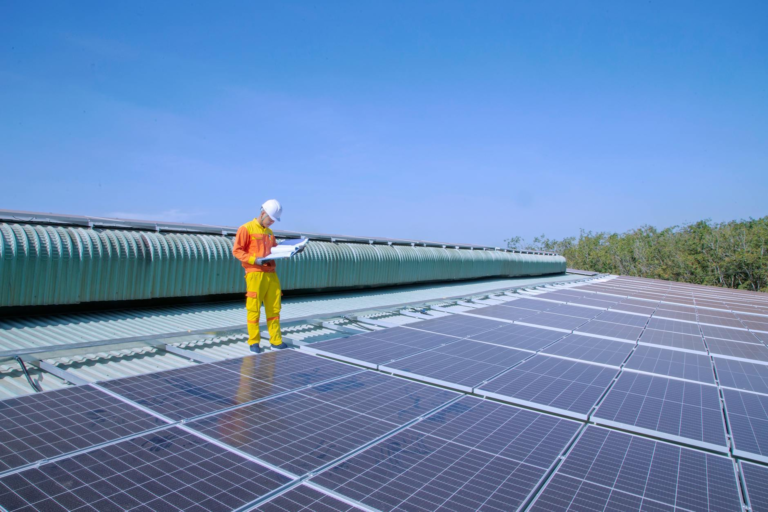
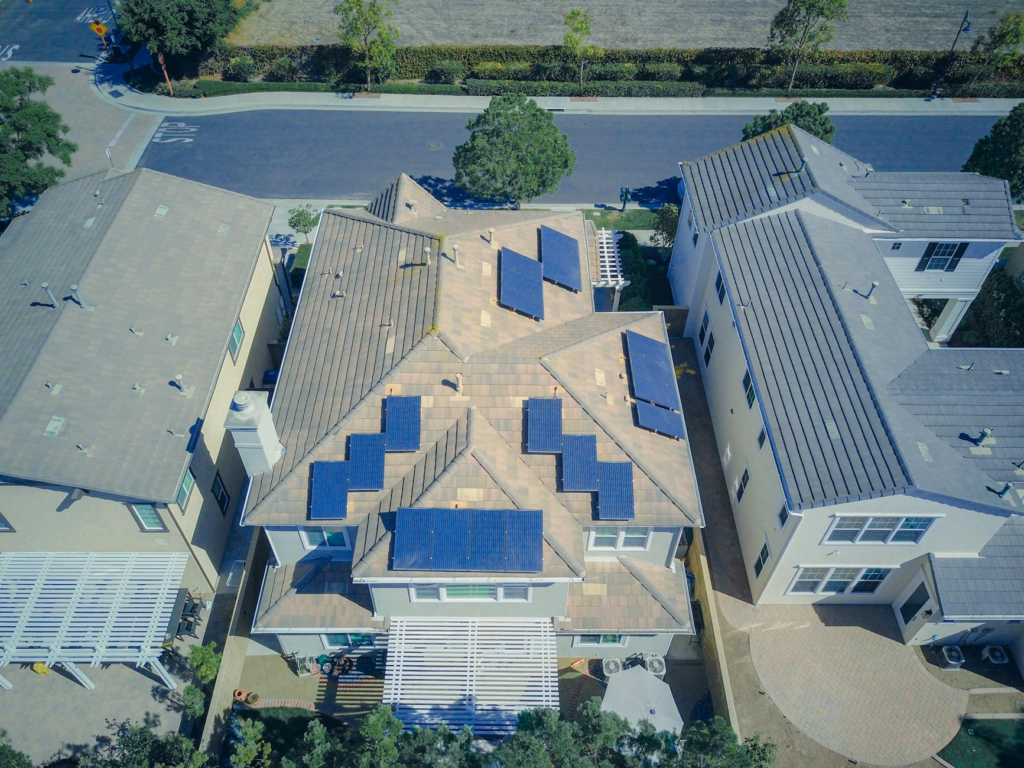
Solar panels have become a staple on rooftops throughout the Florida Panhandle, providing clean energy and reducing utility costs for homeowners. However, the long‑term success of a solar installation hinges not only on the quality of the panels themselves but also on how easily they can be serviced over the years. This is where solar maintenance access rooftop solutions come into play. An accessible maintenance pathway ensures that technicians can reach every module safely, conduct inspections, clean surfaces, and replace components without jeopardizing the structural integrity of the roof or the safety of the crew. In regions prone to heavy rain, high humidity, and occasional hurricanes, such as the Panhandle, the importance of a well‑planned access route cannot be overstated. By designing a clear, sturdy path from the building’s interior to the solar array, homeowners protect their investment and keep the system operating at peak efficiency for decades.
Find us here:
Solar Cost Calculator – Florida Panhandle Only
* Estimate based on $3.25 per watt for solar installation.
* For Tesla Powerwall 3 Batteries, $15,000 for the first battery, $12,000 for each additional battery.
* Other variations and types of Batteries are available.
Why Safe Rooftop Access Improves Serviceability
When a solar array is installed without a dedicated access route, maintenance crews often have to navigate around existing roof penetrations, vents, and skylights. This improvisation can lead to accidental damage to shingles, flashing, or even the panels themselves. Moreover, unsafe footing increases the risk of slips and falls, especially on wet or oily surfaces common after Florida’s frequent rainstorms. By integrating a purpose‑built solar maintenance access rooftop walkway—whether it’s a raised platform, a modular ladder system, or a reinforced walkway grid—property owners eliminate guesswork. Technicians can move quickly and confidently, reducing labor time and the likelihood of accidental damage. The result is fewer service calls, lower repair costs, and a longer lifespan for both the roofing material and the solar equipment.
Climate Challenges Unique to the Florida Panhandle
The Panhandle’s climate presents a unique set of challenges that amplify the need for reliable access pathways. High humidity accelerates corrosion on metal components, while salty sea breezes can degrade fasteners and mounting hardware. Seasonal thunderstorms bring heavy rain and gusty winds, creating slick surfaces that are hazardous for anyone working aloft. Additionally, the region experiences occasional tropical storms and hurricanes that can dislodge panels or damage roof structures. An accessible maintenance route allows crews to inspect and reinforce mounting systems promptly after severe weather events, ensuring that any compromised elements are addressed before they lead to larger failures. By planning for these environmental stressors from the outset, homeowners can maintain optimal system performance and avoid costly emergency repairs.
Key Design Considerations for Effective Access
Designing a functional solar maintenance access rooftop pathway requires a balance of safety, durability, and aesthetics. First, the pathway must be load‑rated to support the weight of technicians, tools, and equipment, typically a minimum of 250 lb/ft² for residential applications. Second, materials should be corrosion‑resistant; aluminum or galvanized steel are common choices that stand up to the Panhandle’s salty air. Third, the route should provide a clear line of sight to all panels, minimizing blind spots where debris could accumulate unnoticed. Fourth, the access system should integrate seamlessly with existing roof penetrations, using flashing kits that prevent water intrusion. Finally, consider future expansion—design the pathway to accommodate additional panels or battery storage units without requiring major rework.
Choosing the Right Materials
Aluminum walkways are lightweight and easy to install, but they may flex under heavy loads if not properly braced. Steel offers superior strength but requires protective coatings to resist rust. Composite decking provides a non‑slip surface and can be designed to blend with roofing colors, enhancing curb appeal. Regardless of the material, ensure it meets the International Building Code (IBC) requirements for rooftop access and that it is compatible with the roof’s slope and pitch.
Common Types of Solar Maintenance Access Solutions
There are several proven methods for creating a safe and efficient solar maintenance access rooftop system. Each option varies in cost, installation complexity, and suitability for different roof types. Below is a concise comparison of three popular approaches, presented in a simple table for quick reference.
| Access Type | Typical Cost (per ft²) | Best Roof Compatibility | Maintenance Frequency |
|---|---|---|---|
| Modular Aluminum Walkway | $12–$18 | Shingle, Tile, Metal | Low – periodic cleaning |
| Steel Ladder System with Guardrails | $15–$22 | Flat or Low‑Slope | Medium – regular inspections |
| Integrated Roof‑Mounted Platform | $20–$30 | Steep‑Slope, Complex Geometry | Low – built‑in drainage |
Modular aluminum walkways are favored for their ease of installation and adaptability to irregular roof layouts. Steel ladder systems provide a cost‑effective solution for flat roofs but require additional safety railings. Integrated platforms are custom‑fabricated to match the roof’s contour, offering the highest level of protection against water infiltration but at a premium price.
Maintenance Best Practices for Long‑Term Serviceability
Even the most robust solar maintenance access rooftop design will fall short without a disciplined maintenance schedule. Homeowners should establish a routine that includes visual inspections after major weather events, quarterly cleaning to remove dust and bird droppings, and annual checks of mounting hardware for signs of corrosion. Using a dedicated access pathway speeds up these tasks, allowing technicians to work efficiently and safely. It also encourages proactive service rather than reactive repairs, which can be far more expensive. Documenting each visit—including photographs of the access route and panel condition—creates a maintenance log that can be valuable for warranty claims and future resale negotiations.
Cost Benefits Over the System’s Lifetime
Investing in a well‑designed solar maintenance access rooftop system may appear as an additional upfront expense, but the financial return manifests over the years. By reducing the time required for service calls, homeowners can lower labor costs by up to 30 %. Additionally, preventing accidental roof damage during maintenance preserves the roof’s warranty and avoids costly replacements. Efficient cleaning maintains panel efficiency, which can translate to an extra 5–10 % energy production annually. When these savings are aggregated over a typical 25‑year solar lifespan, the net benefit often exceeds the initial access pathway investment, delivering a clear ROI for conscientious property owners.
Regulatory and Code Requirements in Florida
Florida’s building codes, aligned with the International Building Code, mandate that any rooftop work platform must meet specific load, guardrail, and access criteria. For solar installations, the Florida Solar Energy Center recommends incorporating a permanent access route to facilitate routine maintenance and emergency repairs. Failure to comply can result in permit delays, insurance complications, or liability issues if a worker is injured. By integrating a code‑compliant solar maintenance access rooftop solution during the initial installation, homeowners sidestep future regulatory hurdles and ensure that their system remains fully insurable.
Choosing the Right Contractor for Access Installation
Selecting a qualified contractor is critical to the success of any rooftop access project. Look for professionals with proven experience in both solar installations and roof‑work. Verify that they hold appropriate licensing, carry workers’ compensation insurance, and can provide references for past access pathway projects. Ask about the materials they recommend, the load ratings of their designs, and how they coordinate with roofing contractors to protect existing roof warranties. A reputable installer will also supply detailed as‑built drawings, showing the exact location of the access route, ladder placements, and any required flashing details.
Future‑Proofing Your Solar Investment
As solar technology evolves, many homeowners anticipate adding battery storage, additional panels, or even electric vehicle charging stations. A thoughtfully designed solar maintenance access rooftop pathway can accommodate these upgrades without extensive retrofitting. By leaving room for expansion in the original layout, you avoid the need to dismantle existing access components, which could jeopardize the roof’s integrity. Planning for future growth now saves time, money, and disruption later, ensuring that your solar system remains a flexible, long‑term asset.
Key Takeaways for Homeowners
- Safe, code‑compliant access pathways protect both workers and roofing materials.
- Florida’s humid, salty environment makes regular maintenance essential.
- Choosing the right material and design reduces long‑term repair costs.
- Documented maintenance schedules improve system efficiency and warranty support.
- Investing in access now yields a strong ROI over the solar system’s lifespan.
Incorporating a dedicated solar maintenance access rooftop solution is more than a convenience—it’s a strategic decision that safeguards your investment, enhances safety, and ensures optimal energy production for years to come. By understanding the climate challenges of the Florida Panhandle, adhering to local codes, and selecting experienced professionals, homeowners can create a resilient, service‑ready solar installation that stands the test of time.
By prioritizing accessible maintenance pathways, you not only protect your roof and panels but also empower technicians to keep your system operating at its best, season after season.
