



Introduction
When homeowners in Florida consider ways to keep their houses comfortable during hot, humid summers, they often look beyond traditional air‑conditioning. One increasingly popular approach is to harness natural forces—specifically, the way air moves across a roof. Understanding rooftop airflow solar cooling can reveal why a house on Pensacola Beach feels breezy and cool, while a similar home in Marianna or Chipley may struggle with stagnant heat. In this article we’ll explore the science behind rooftop airflow, compare coastal and inland dynamics, and provide practical design tips that help any Florida homeowner make the most of the wind that passes over their roof.
Find us here:
Solar Cost Calculator – Florida Panhandle Only
* Estimate based on $3.25 per watt for solar installation.
* For Tesla Powerwall 3 Batteries, $15,000 for the first battery, $12,000 for each additional battery.
* Other variations and types of Batteries are available.
Understanding Rooftop Airflow
The Basics of Air Movement
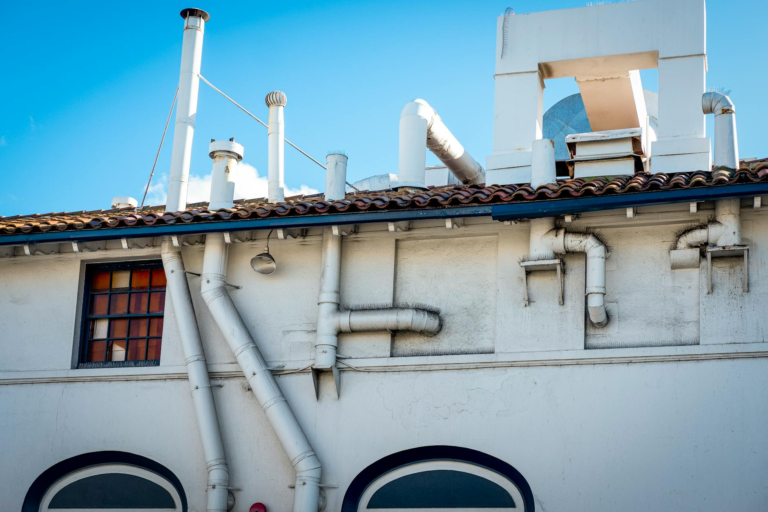
Airflow over a roof is driven by differences in temperature and pressure. As the sun heats the roof surface, the air directly above it becomes lighter and rises, creating a low‑pressure zone. Cooler air from surrounding areas then rushes in to replace it, generating a natural ventilation current. This process is amplified when the roof is angled or equipped with vent openings, allowing the rising warm air to escape and be replaced by fresh, cooler breezes.
How Solar Heating Influences Roof Ventilation
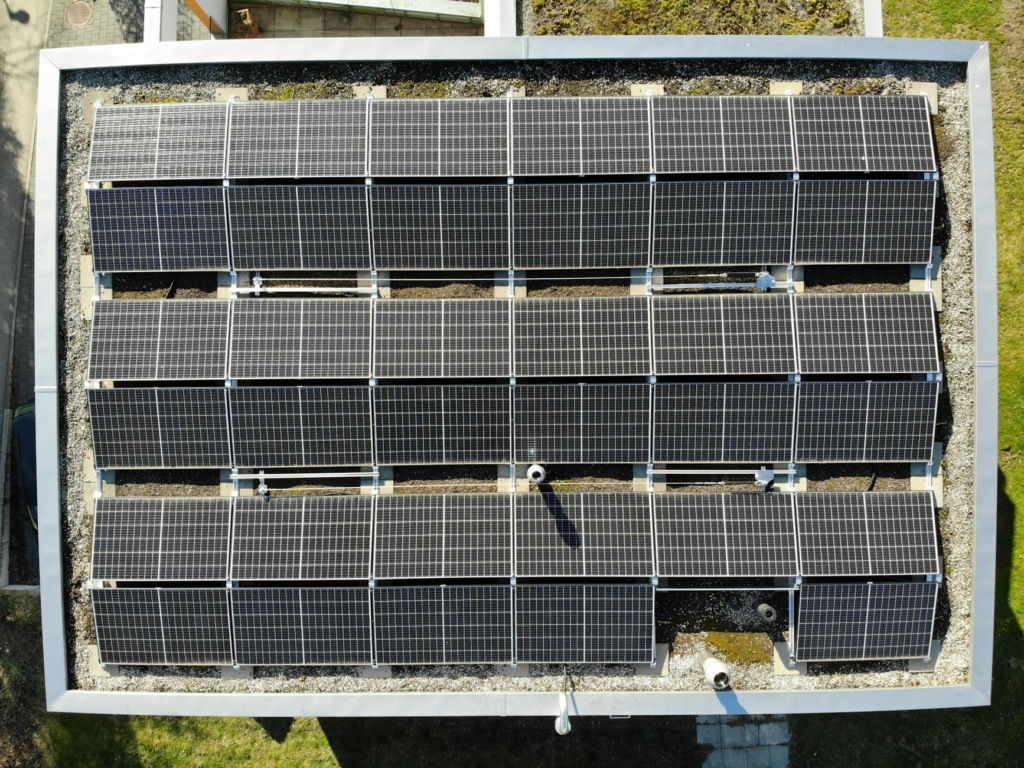
Solar radiation is the primary driver of the temperature gradient that powers rooftop airflow. When a roof absorbs sunlight, the surface temperature can climb 30 °F (≈ 17 °C) above the ambient air. This heat differential fuels the upward movement of air, a principle that underpins rooftop airflow solar cooling. By designing roofs that maximize this effect—through reflective coatings, proper insulation, and strategically placed vents—homeowners can enhance natural cooling without relying solely on mechanical systems.
Coastal Dynamics: Pensacola Beach
Sea Breezes and Humidity
Pensacola Beach sits directly on the Gulf of Mexico, where the interaction between land and water creates a reliable sea‑breeze cycle. During the day, the ocean surface remains cooler than the heated land, causing air to move inland. This on‑shore breeze often reaches speeds of 5–10 mph, providing a steady stream of fresh air that slides over rooftops. The high humidity typical of coastal areas also means that the air carries more moisture, which can slightly reduce the temperature drop but still contributes to a perceptible cooling effect.
Impact on Rooftop Airflow Solar Cooling
Because of the constant sea‑breeze, homes on Pensacola Beach experience a more dynamic rooftop airflow solar cooling pattern. The incoming wind accelerates the removal of warm air that rises from the roof, allowing the next wave of cooler air to replace it quickly. This natural exchange can lower attic temperatures by up to 15 °F (≈ 8 °C) compared with homes lacking a consistent breeze. In addition, the salty air can have a minor corrosive effect on certain roofing materials, so selecting corrosion‑resistant components becomes part of the overall cooling strategy.
Inland Conditions: Marianna and Chipley
Continental Airflow Patterns
Unlike the coast, Marianna and Chipley are situated far enough inland that they are more influenced by continental weather systems than by sea breezes. During hot summer days, the ground heats up rapidly, and the lack of a large water body means there is little moderating influence. As a result, the airflow over rooftops is often weak, intermittent, and driven primarily by larger‑scale wind events such as thunderstorms or frontal passages.
Rooftop Airflow Solar Cooling Challenges
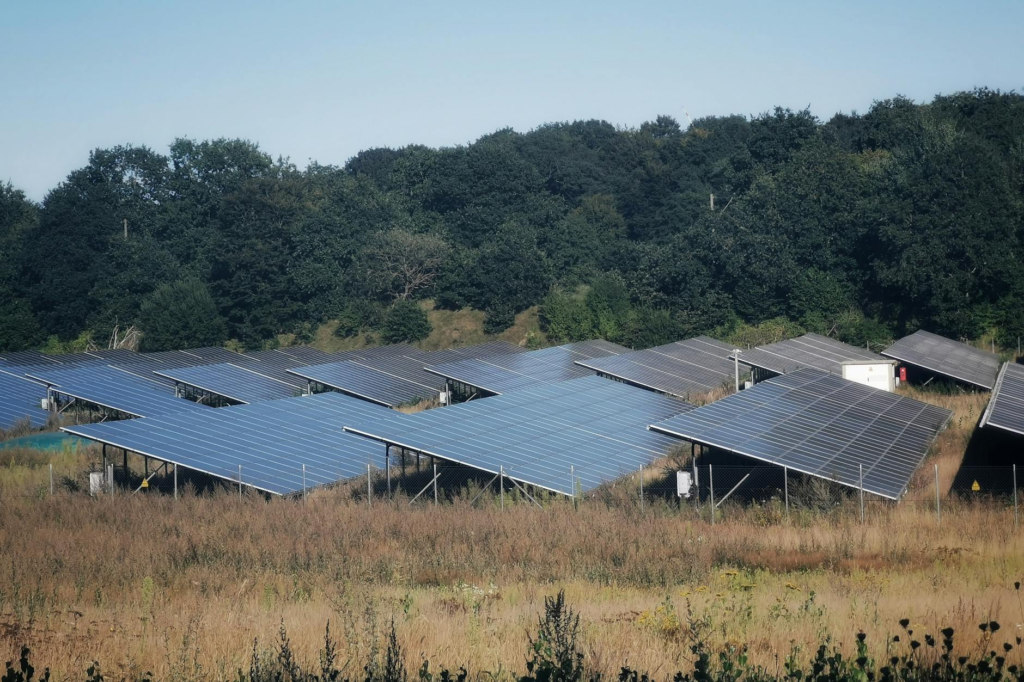
In these inland locations, the same solar heating that powers rooftop airflow solar cooling can become a disadvantage. Without a steady breeze to carry away the heated air, the warm air tends to linger under the roof deck, raising attic temperatures to 130 °F (≈ 54 °C) or higher. This stagnant condition reduces the effectiveness of passive cooling and forces homeowners to rely more heavily on mechanical ventilation or air‑conditioning systems. Designing for optimal airflow therefore requires additional measures, such as larger ridge vents, powered attic fans, or strategic placement of wind‑catchers that can capture any available breeze.
Comparative Analysis
The table below highlights the key differences between coastal and inland rooftop airflow characteristics, and how those differences affect the performance of rooftop airflow solar cooling strategies.
| Factor | Coastal (Pensacola Beach) | Inland (Marianna/Chipley) |
|---|---|---|
| Primary wind source | Sea‑breeze (5–10 mph) | Occasional storm fronts, weak land breezes |
| Humidity level | High (70–85 %) | Moderate (50–65 %) |
| Typical attic temperature reduction from passive airflow | 10–15 °F (≈ 5–8 °C) | 2–5 °F (≈ 1–3 °C) |
| Corrosion risk | Elevated (salt air) | Low |
| Recommended supplemental cooling | Occasional attic fans | Powered attic fans or AC |
Design Strategies for Optimal Cooling
Passive Design Techniques
Whether you’re on the coast or inland, passive design remains the foundation of effective rooftop airflow solar cooling. Key tactics include installing continuous ridge vents, soffit vents, and wind‑catcher louvers that promote a chimney effect. Using reflective roofing materials, such as cool‑roof coatings or light‑colored shingles, reduces the amount of solar heat absorbed, decreasing the temperature gradient that the airflow must overcome. Proper insulation in the attic space also helps keep the heat from radiating back down into living areas.
Mechanical Assistance When Needed
In inland homes where natural breezes are unreliable, supplemental mechanical ventilation can bridge the gap. Powered attic fans, solar‑powered ventilators, or whole‑house heat‑recovery ventilators (HRVs) can move air through the roof cavity, mimicking the effect of a sea breeze. When paired with a well‑insulated attic and reflective roof, these devices enhance the overall efficiency of rooftop airflow solar cooling without dramatically increasing energy consumption.
Maintenance Considerations
Regular Cleaning and Inspection
To keep rooftop airflow systems performing at their best, routine maintenance is essential. Coastal homes should inspect vent openings for salt‑induced corrosion and clear any debris that may block airflow. Inland properties need to watch for dust, leaves, and insect nests that can obstruct vents, especially after storms. Cleaning the roof surface annually—removing algae, moss, or bird droppings—helps maintain the reflective properties that are crucial for effective solar cooling.
Choosing the Right Materials
Roofing Membranes and Coatings
Materials that reflect a high percentage of solar radiation, such as cool‑roof membranes, metal roofing with a high‑albedo finish, or white ceramic tiles, are ideal for maximizing rooftop airflow solar cooling. In coastal environments, selecting corrosion‑resistant fasteners and flashing is equally important to prevent premature degradation. Inland homes benefit from materials that resist heat‑induced expansion and contraction, ensuring that vent openings remain functional over time.
Frequently Asked Questions
- Can I rely solely on rooftop airflow for cooling? In most cases, passive airflow reduces heat gain but does not replace air‑conditioning during extreme temperatures, especially inland.
- Do I need different vent sizes for coastal vs. inland homes? Yes. Coastal homes often use smaller, well‑placed vents because the sea breeze is steady, while inland homes may require larger or powered vents to capture occasional gusts.
- Are there tax incentives for installing cool‑roof materials? Many states and municipalities offer rebates or tax credits for energy‑efficient roofing; check local programs for details.
Conclusion
Understanding how rooftop airflow differs between coastal and inland homes empowers homeowners to tailor their cooling strategies. By leveraging the natural sea breezes of Pensacola Beach or compensating for the calmer winds of Marianna and Chipley with thoughtful design and occasional mechanical assistance, you can harness the power of rooftop airflow solar cooling to keep your home comfortable, energy‑efficient, and resilient against Florida’s heat.
