



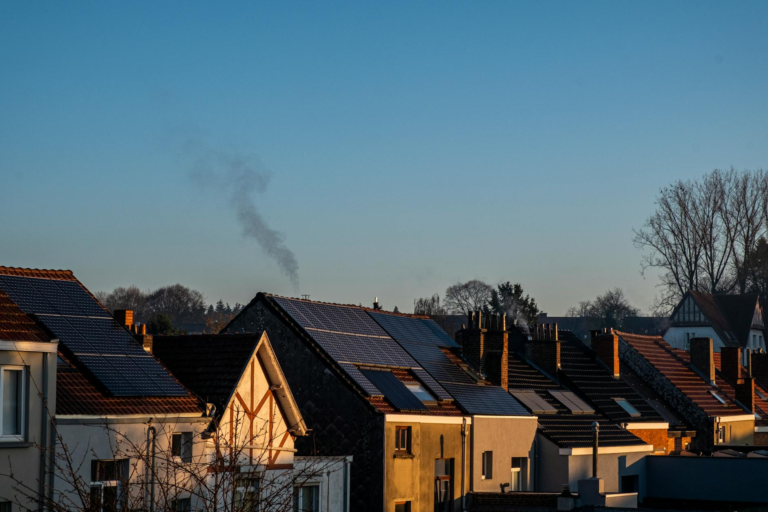
Homeowners across the Florida Panhandle are watching their utility bills with increasing concern. As regional power providers grapple with fluctuating fuel prices, extreme weather events, and regulatory shifts, the outlook for electricity rates looks less certain than ever before. This climate of uncertainty is prompting many residents to explore long‑term alternatives, and solar power has risen to the top of the list. While the technology itself is well‑known, the psychological push behind the decision is deeply tied to expectations about future energy costs. When people anticipate that their monthly expenses will climb, the appeal of a stable, self‑generated power source grows stronger, creating a fertile ground for solar adoption.
Find us here:
Solar Cost Calculator – Florida Panhandle Only
* Estimate based on $3.25 per watt for solar installation.
* For Tesla Powerwall 3 Batteries, $15,000 for the first battery, $12,000 for each additional battery.
* Other variations and types of Batteries are available.
Understanding Energy Cost Volatility
Energy markets are influenced by a web of factors: global oil and natural‑gas prices, state‑level policy changes, and the frequency of storms that damage grid infrastructure. In the Panhandle, the combination of a hurricane‑prone coastline and a growing population intensifies these dynamics. Utilities often respond to spikes in wholesale power costs by passing them onto consumers through higher rates or surcharges. Over the past decade, the region has seen an average annual increase of 3‑5 % in residential electricity prices, with occasional spikes that double the typical bill during extreme events. This pattern creates a perception that today’s rates are a baseline, not a ceiling, leading homeowners to look ahead and wonder how much more they might pay in the coming years.
Why the Florida Panhandle Feels the Pinch
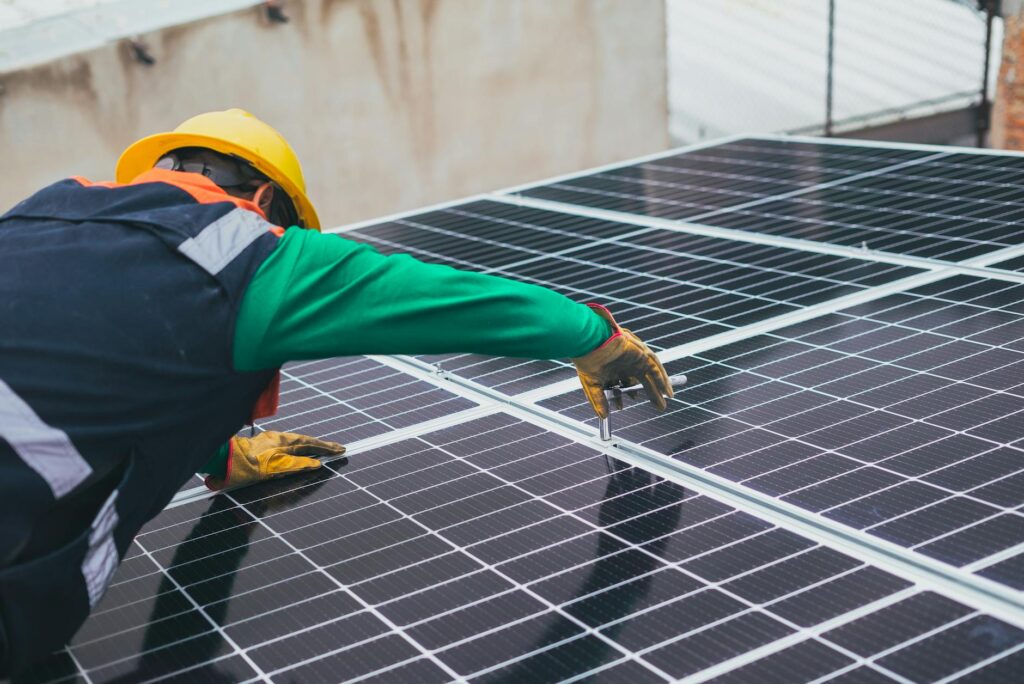
The Panhandle’s energy landscape is unique because of its reliance on both natural gas and imported electricity from neighboring states. When a tropical storm disrupts local generation, utilities must import power at premium prices, and those costs are reflected in the next billing cycle. Moreover, state incentives for renewable energy have fluctuated, creating a sense that policy support could wane just when it’s needed most. Residents therefore factor in “future energy costs solar” scenarios when budgeting, asking themselves whether a solar system could shield them from these unpredictable hikes. This forward‑looking mindset is a key driver behind the surge in solar inquiries and installations in the area.
Psychological Drivers Behind Solar Adoption
Human decision‑making is rarely based on current prices alone; it’s heavily influenced by expectations of future conditions. In behavioral economics, this is known as the “prospect theory” effect, where the fear of loss often outweighs the desire for gain. When homeowners anticipate that their electricity bills will rise, the potential loss feels immediate and personal. Solar panels, by contrast, represent a tangible asset that can lock in a predictable cost structure for 25‑30 years. The promise of future energy cost stability taps into the desire for control and security, making solar an emotionally resonant solution beyond its environmental benefits.
- Loss aversion: Fear of higher future bills motivates pre‑emptive action.
- Anchoring: Current rates become a reference point, making projected increases seem alarming.
- Time preference: Preference for immediate savings versus long‑term payoff is balanced by the certainty solar provides.
- Social proof: Neighbors adopting solar reinforce the perception that it’s a prudent hedge against rising costs.
The Role of Future Energy Costs Solar in Decision‑Making
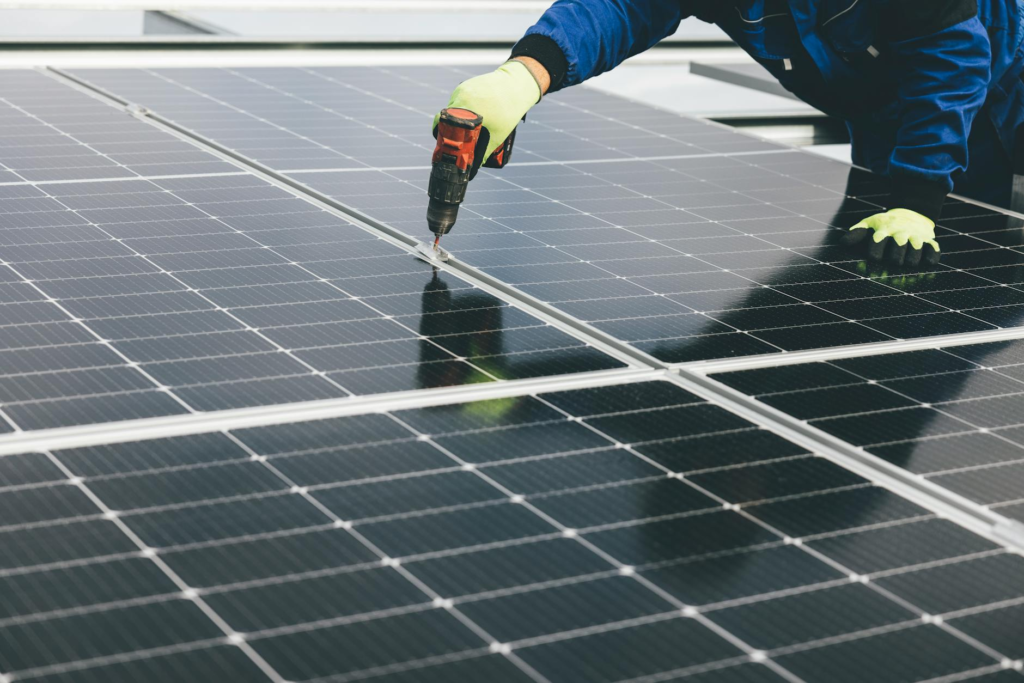
When evaluating a solar investment, many homeowners run a simple “future energy costs solar” calculation. They estimate how much they will spend on electricity over the life of the system under two scenarios: one where rates continue to climb at historical averages, and another where rates remain flat. The difference between these scenarios often justifies the upfront expense of a solar array. For example, a family paying $150 per month today could see that bill rise to $225 in ten years if rates increase 3 % annually. By locking in a 20‑year power purchase agreement (PPA) or using a net‑metering arrangement, the same family could keep their effective cost near today’s level, effectively insulating themselves from future price volatility.
Economic Modeling and Consumer Perception
Financial tools such as levelized cost of electricity (LCOE) and internal rate of return (IRR) have become mainstream in solar sales pitches. However, the average homeowner often interprets these metrics through the lens of personal risk. A higher projected LCOE for conventional power—driven by expected future energy costs—makes the solar LCOE appear more attractive, even if the absolute numbers are similar. Marketing materials that highlight “protect yourself from rising rates” resonate because they translate abstract financial models into a concrete, emotionally charged narrative. This framing aligns with the cognitive bias known as “availability heuristic,” where vivid examples of recent rate hikes are more memorable than statistical averages.
Real‑World Data from the Panhandle
Recent data from the Florida Public Service Commission shows a clear upward trend in average residential electricity prices across the Panhandle. The table below captures the year‑over‑year change from 2018 to 2023, illustrating the growing cost pressure that fuels solar interest. Homeowners who monitor these figures often cite them as the catalyst for their solar research, reinforcing the connection between observed price trends and the psychological impetus to act.
| Year | Average Residential Rate (cents/kWh) | Year‑over‑Year Change |
|---|---|---|
| 2018 | 10.2 | — |
| 2019 | 10.8 | +5.9 % |
| 2020 | 11.4 | +5.6 % |
| 2021 | 12.3 | +7.9 % |
| 2022 | 13.5 | +9.8 % |
| 2023 | 14.8 | +9.6 % |
The steady climb in rates—averaging nearly 8 % annually over the last five years—creates a compelling case for solar. When homeowners overlay these figures with the projected performance of a typical 6 kW residential system, the financial advantage becomes evident. In many scenarios, the break‑even point shifts from the traditional 10‑year horizon to as early as 6‑7 years, especially when factoring in state tax credits and net‑metering credits that further reduce the effective cost of future energy.
How Solar Installers Leverage Cost Forecasts
Professional solar installers have adapted their sales strategies to emphasize “future energy costs solar” forecasts. By presenting a customized cost‑avoidance model, they illustrate how a solar system can act as an insurance policy against rate hikes. Installers often use interactive tools that project a homeowner’s utility bill over the next 20 years under different rate‑increase scenarios, then overlay the expected solar production and savings. This visual representation turns abstract concerns about rising electricity prices into a concrete, quantifiable benefit, making the decision feel less speculative and more grounded in personal finance.
Overcoming Misconceptions
Despite the clear financial logic, several myths persist. Some homeowners believe that solar panels will not deliver enough energy during cloudy months, or that maintenance costs will erode any savings. Others assume that the upfront expense cannot be justified, overlooking financing options that spread costs over the system’s lifespan. Addressing these misconceptions requires clear communication about the reliability of modern PV technology, the minimal maintenance requirements (usually just periodic cleaning and inverter checks), and the ability to lock in future energy costs solar through power purchase agreements or leasing structures that require little to no capital outlay.
Practical Steps Homeowners Can Take
- Review past utility bills to identify the rate of increase over the last five years.
- Use an online solar calculator that incorporates projected future energy costs solar to estimate potential savings.
- Consult multiple reputable installers to compare financing options, warranties, and performance guarantees.
- Check local incentives, tax credits, and net‑metering policies that can further reduce the effective cost.
- Consider a battery storage system if you want additional protection against outages and to maximize self‑consumption.
By taking these steps, homeowners can move from uncertainty to confidence, turning the anxiety over rising electricity bills into a proactive investment in energy independence. The convergence of market data, psychological insight, and accessible solar technology makes the decision to go solar more compelling than ever in the Florida Panhandle.
In conclusion, the perception of future energy costs is reshaping how residents think about solar power. When people anticipate higher bills, they are more likely to view solar as a strategic hedge rather than just an environmental choice. This shift in mindset, backed by real‑world price trends and tailored financial models, is driving a steady increase in solar adoption across the region.
