



The Rise of Solar in Coastal Home Design
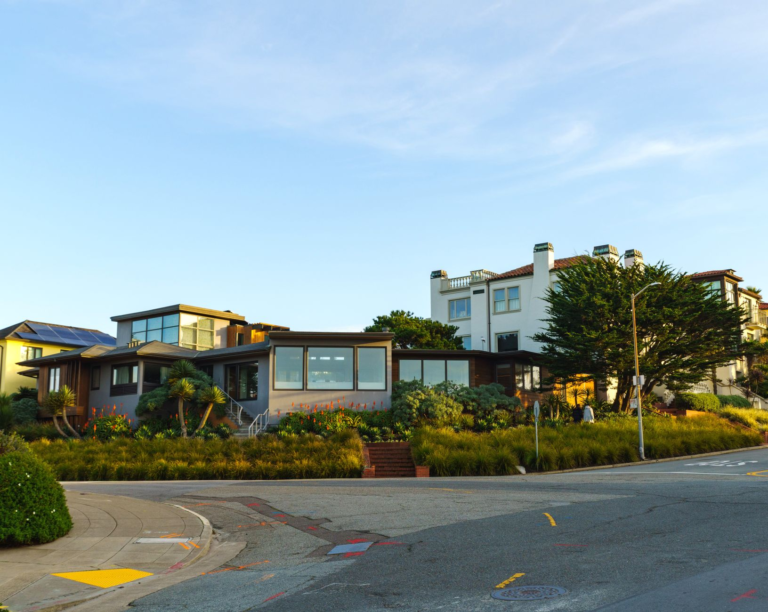
Coastal neighborhoods along the Florida Panhandle—particularly Destin, Seaside, and Rosemary Beach—are witnessing a noticeable shift in how new homes are planned and built. While the allure of white‑sand beaches and breezy ocean views has always driven architectural trends, the growing emphasis on sustainability and resilience is adding another layer to the design conversation. Homeowners, architects, and builders are increasingly asking, “How can we blend the timeless charm of a coastal retreat with the modern benefits of renewable energy?” The answer is emerging in the form of solar installations that are no longer an afterthought but an integral component of long‑term coastal home design.
Find us here:
Solar Cost Calculator – Florida Panhandle Only
* Estimate based on $3.25 per watt for solar installation.
* For Tesla Powerwall 3 Batteries, $15,000 for the first battery, $12,000 for each additional battery.
* Other variations and types of Batteries are available.
Understanding the Coastal Climate Challenge
Living by the sea offers unparalleled lifestyle perks, yet it also brings unique environmental pressures. Salt‑laden air accelerates corrosion, hurricane‑force winds test structural integrity, and rising temperatures increase cooling demands. Traditional roofing and siding materials can deteriorate faster under these conditions, leading homeowners to seek solutions that both protect the structure and reduce operating costs. Solar panels, especially those engineered for marine environments, provide a dual advantage: they generate clean electricity while serving as a protective barrier against UV radiation and rain, extending the lifespan of roofing membranes.
Economic Incentives Driving Adoption
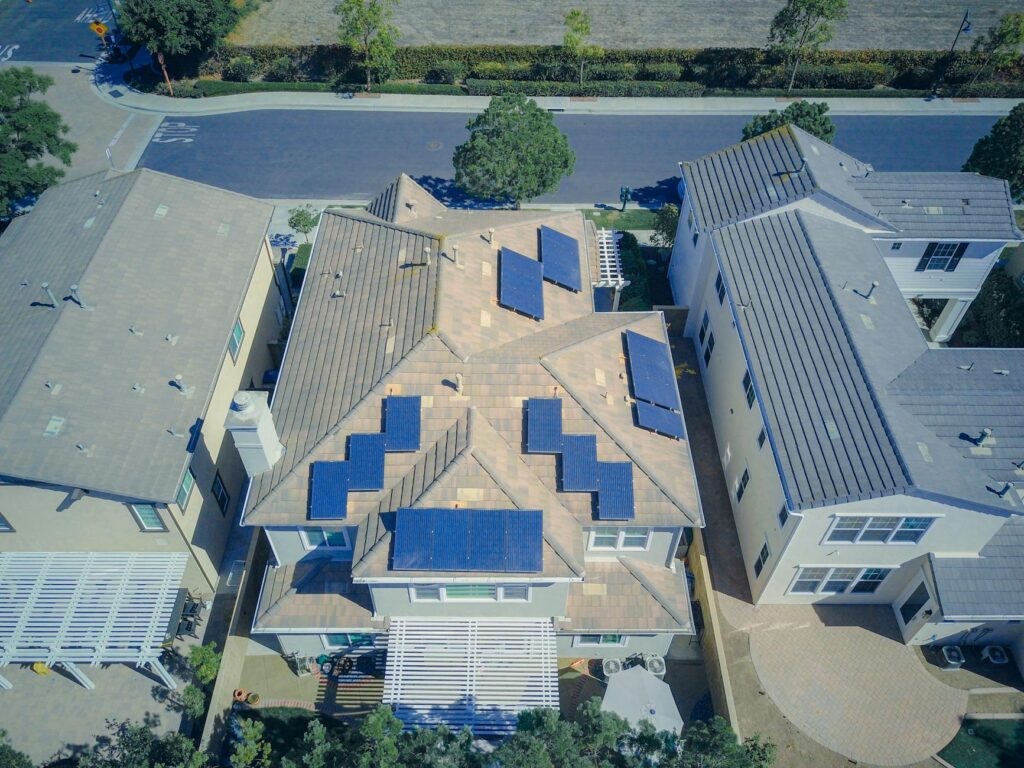
Florida’s state policies, combined with federal tax credits, make the financial case for solar compelling. The federal Investment Tax Credit (ITC) currently offers a 30 % reduction on the cost of solar equipment, and the Florida Solar Energy System Incentives Program provides additional rebates for residential installations. When these incentives are factored into the upfront expense, many homeowners see a payback period of five to seven years—well within the typical ownership timeline for a primary residence in a coastal community. Over a 25‑year lifespan, a well‑designed solar system can save tens of thousands of dollars on electricity bills, a saving that directly supports the long‑term viability of coastal home design projects.
Energy Resilience During Storm Events
One of the most compelling reasons solar is becoming part of long‑term coastal home design is its contribution to energy resilience. Modern solar installations can be paired with battery storage solutions, allowing homes to maintain power during grid outages—a common occurrence after hurricanes or severe storms. In Destin, for example, several recent builds incorporated a 10 kWh battery system that automatically kicks in when the main grid fails. This not only keeps essential appliances running but also supports critical safety equipment such as sump pumps, which prevent flood damage in low‑lying properties.
Aesthetic Integration with Coastal Architecture
Historically, solar panels were viewed as bulky, industrial‑looking devices that clashed with the sleek lines of modern beach houses. Today’s architectural advancements have turned that perception on its head. Low‑profile photovoltaic tiles, frameless panels, and custom‑colored modules can blend seamlessly with shingle roofs, metal roofs, or even concrete slab roofs common in Seaside’s modernist homes. Designers are now able to incorporate solar arrays into the roofline without compromising the clean, minimalist aesthetic that defines much of the Panhandle’s coastal architecture.
Building Codes and Zoning Flexibility
Local municipalities have begun to recognize the long‑term benefits of renewable energy integration. In Rosemary Beach, the planning department has updated its zoning ordinances to encourage solar installations on new constructions, allowing for slightly higher roof pitches when panels are included. This regulatory flexibility reduces the need for costly design revisions and encourages developers to incorporate solar from the earliest planning stages, reinforcing the concept of solar coastal home design as a standard rather than an optional upgrade.
Choosing the Right Solar Technology for the Coast
Not all solar products are created equal, and selecting equipment that can withstand the harsh marine environment is critical. Panels with anti‑corrosion coatings, tempered glass, and robust mounting systems are essential for longevity. In addition, micro‑inverters or power optimizers can mitigate the impact of partial shading caused by nearby palm trees or overhanging eaves—common features in beachfront properties. When these considerations are built into the design, the solar system becomes a resilient, low‑maintenance asset that aligns with the goals of long‑term coastal home design.
Case Study: Destin’s Sustainable Beachfront Community
In the newly developed “Sundown Shores” community near Destin, every residence includes a roof‑integrated solar array sized to cover at least 70 % of the home’s annual electricity consumption. The developer worked closely with a local engineering firm to ensure that the panels were installed with hurricane‑rated brackets capable of withstanding wind speeds up to 150 mph. Homeowners in this community report an average monthly electricity bill reduction of $150, and the combined solar capacity of the neighborhood contributes to a collective reduction of over 3,000 metric tons of CO₂ emissions each year.
Case Study: Seaside’s Modernist Solar Homes
Seaside, known for its iconic pastel‑colored homes and grid‑like street layout, has embraced solar as part of its design guidelines. A recent project featured photovoltaic shingles that match the existing roof material, preserving the town’s visual cohesion while delivering a 6 kW system per home. Residents appreciate the discreet appearance and the fact that the system’s output is tracked in real time via a community‑wide dashboard, fostering a sense of collective stewardship over energy use.
Case Study: Rosemary Beach’s Luxury Villas
Luxury villas in Rosemary Beach often incorporate expansive roof terraces and pergolas. Designers have taken advantage of these flat surfaces to install bifacial solar panels that capture sunlight from both sides, increasing overall efficiency by up to 15 %. The villas also feature integrated lighting and smart home controls that automatically adjust shading devices based on solar production, creating an elegant synergy between technology and lifestyle.
Practical Design Tips for Incorporating Solar
- Orient the roof to face true south (or true north in the Southern Hemisphere) to maximize solar exposure.
- Select panels with a low temperature coefficient to maintain efficiency in the hot Florida climate.
- Use corrosion‑resistant mounting hardware designed for salt‑air environments.
- Integrate battery storage to provide backup power during grid outages.
- Coordinate with local building officials early to ensure compliance with coastal zoning regulations.
Comparing Solar Options for Coastal Homes
| Feature | Standard Photovoltaic Panels | Solar Tiles/Shingles | Bifacial Panels |
|---|---|---|---|
| Visual Impact | Visible but can be placed on low‑slope roofs | Seamless with roof material | Low profile, suitable for flat roofs |
| Cost per Watt | ≈ $2.50 | ≈ $3.20 | ≈ $2.80 |
| Salt‑Air Durability | Standard coating | Enhanced coating | Enhanced coating + glass backing |
| Efficiency | 15‑18 % | 14‑17 % | 18‑22 % |
Future Outlook: Solar’s Role in Long‑Term Coastal Planning
As sea levels continue to rise and climate variability intensifies, the integration of renewable energy into home design will become more than a trend—it will be a necessity. Municipalities are already exploring micro‑grid concepts that rely heavily on distributed solar generation paired with community battery storage. For coastal homeowners, embracing solar now not only reduces current utility costs but also positions their property to adapt to future regulatory changes and potential grid decentralization.
Conclusion
Solar is quickly moving from an optional add‑on to a core element of long‑term coastal home design in Destin, Seaside, Rosemary Beach, and beyond. By addressing climate resilience, offering economic benefits, and blending seamlessly with the aesthetic language of beachside architecture, solar installations are reshaping how we think about sustainable living on the Florida Panhandle. Homeowners who adopt solar today are not only investing in cleaner energy—they are future‑proofing their homes against the evolving challenges of coastal life.
