



Introduction
Florida’s Panhandle is experiencing a perfect storm of energy‑related pressures that are reshaping how homeowners power their lives. In 2026, the region faces a convergence of higher electricity rates, aging grid infrastructure, shifting regulatory landscapes, and accelerating adoption of renewable technologies. This comprehensive report delves into the most pressing energy challenges confronting homeowners across Northwest Florida, drawing on the latest data, utility filings, and expert analysis. By understanding these dynamics, residents can make informed decisions about budgeting, retrofitting, and future‑proofing their homes. Throughout the article, we’ll reference the prevailing florida panhandle energy trends that are driving change and explore practical strategies for navigating this evolving environment.
Find us here:
Solar Cost Calculator – Florida Panhandle Only
* Estimate based on $3.25 per watt for solar installation.
* For Tesla Powerwall 3 Batteries, $15,000 for the first battery, $12,000 for each additional battery.
* Other variations and types of Batteries are available.
Rising Electricity Costs
One of the most immediate concerns for Panhandle homeowners is the steady climb in electricity prices. Utility companies have reported year‑over‑year rate increases ranging from 4 % to 7 % due to a combination of fuel cost volatility, infrastructure upgrades, and statewide policy mandates. For an average household consuming 1,200 kWh per month, this translates into an additional $30–$50 on the monthly bill. The surge is compounded by the region’s heavy reliance on natural gas and imported electricity, which are both subject to market fluctuations. As the florida panhandle energy trends continue to evolve, many families find their energy budgets stretched thinner than ever before.
Why Prices Are Climbing
Several forces are behind the upward trajectory of electricity rates. First, the Gulf Coast’s power generation mix is transitioning away from coal toward natural gas and renewables, a shift that requires significant capital investment. Second, the Federal Energy Regulatory Commission (FERC) has introduced new pricing rules aimed at encouraging clean energy, which, while beneficial for the environment, add short‑term costs to consumers. Third, climate‑induced weather events—such as hurricanes and extreme heat waves—force utilities to invest heavily in grid hardening and emergency response capabilities. Each of these factors feeds into the broader set of florida panhandle energy trends that shape the cost landscape.
Impact on Homeowners
Higher electricity bills have a cascading effect on household finances. Many families are forced to cut back on discretionary spending, while others consider upgrading to more efficient appliances or investing in home energy storage. However, the upfront costs of such upgrades can be prohibitive, especially when combined with rising mortgage payments and property taxes. Moreover, the perception of “energy insecurity” can influence real‑estate decisions, with some buyers prioritizing homes that already feature solar panels or high‑efficiency insulation. Understanding these dynamics is essential for navigating the current florida panhandle energy trends and mitigating financial strain.
Grid Reliability and Weather‑Related Outages
The Panhandle’s coastal location makes it particularly vulnerable to severe weather, and grid reliability has become a critical concern for homeowners. In 2025, the region experienced three major outages that collectively left over 150,000 residents without power for an average of 12 hours each. While utilities have invested in hardened infrastructure, the frequency and intensity of storms continue to outpace these improvements. The ongoing florida panhandle energy trends highlight a growing need for resilient power solutions, such as microgrids and battery storage, to ensure continuity during extreme events.
- Invest in whole‑home generators or portable backup units.
- Consider solar‑plus‑storage systems that can operate independently of the grid.
- Upgrade to smart breakers and surge protectors to protect appliances.
Transition to Renewable Energy Sources
Florida’s ambitious renewable energy targets are reshaping the power landscape for Panhandle homeowners. State legislation aims for 30 % renewable electricity by 2030, prompting utilities to increase solar and wind procurement. This transition presents both opportunities and challenges. On the one hand, homeowners can tap into net‑metering programs to offset their electricity usage and potentially earn credits. On the other hand, the intermittent nature of solar and wind generation raises concerns about reliability, especially during periods of low sun or wind. These dynamics are central to the current florida panhandle energy trends and influence decisions about solar panel installations, community solar participation, and energy storage adoption.
Solar Adoption Rates
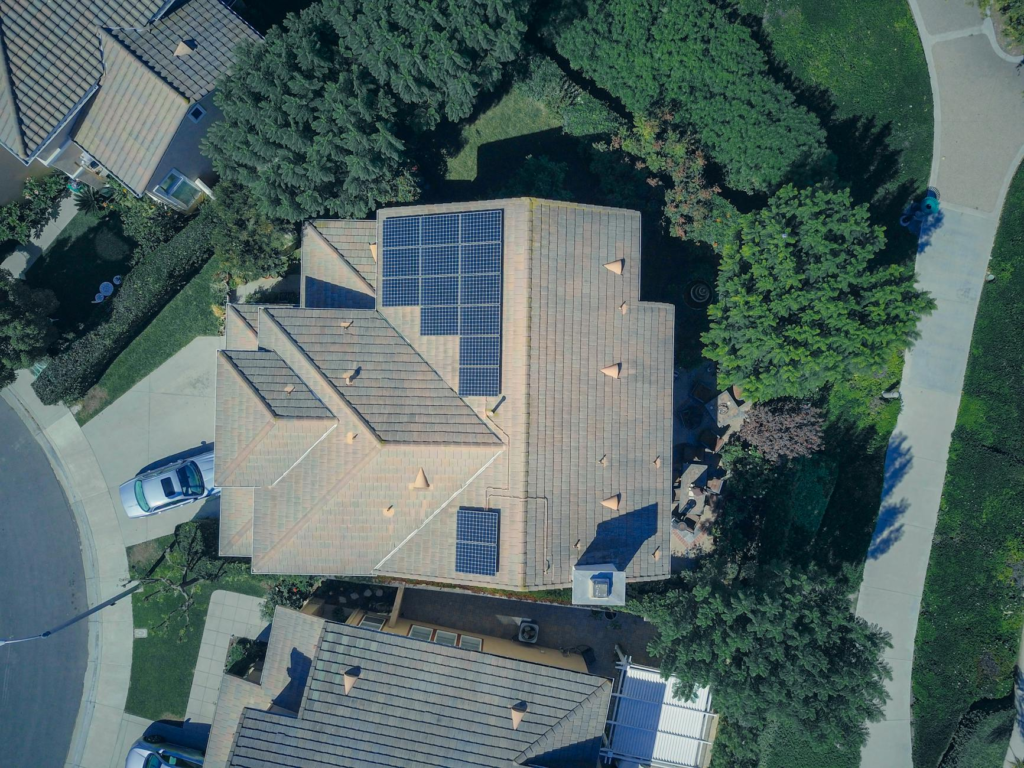
According to the Florida Solar Energy Industries Association, residential solar installations in the Panhandle grew by 18 % in 2025, outpacing the national average. Incentives such as the federal Investment Tax Credit (ITC) and state‑level rebates have lowered the payback period for many households to under 10 years. However, barriers remain, including limited roof space, homeowner association (HOA) restrictions, and the upfront capital required for a full system. These factors are reflected in the broader florida panhandle energy trends that drive the market.
Regulatory and Policy Shifts
Policy decisions at the state and federal levels play a pivotal role in shaping energy costs and options for Panhandle residents. In early 2026, the Florida Public Service Commission approved a new rate design that separates peak‑hour pricing from off‑peak usage, encouraging consumers to shift consumption to times of lower demand. While this “time‑of‑use” structure can reduce bills for savvy users, it also adds complexity to budgeting for those unfamiliar with energy management tools. Additionally, recent updates to building codes now require higher insulation R‑values for new construction, aligning with the broader florida panhandle energy trends toward energy efficiency.
- Adopt programmable thermostats to take advantage of off‑peak rates.
- Review utility bills for peak‑hour usage patterns.
- Stay informed about upcoming code changes that affect renovations.
Home Energy Efficiency Gaps
Despite progress, many homes in Northwest Florida still lag behind modern efficiency standards. A 2025 audit by the University of West Florida found that over 40 % of single‑family homes have inadequate attic insulation, outdated windows, and HVAC systems that operate at below‑average Seasonal Energy Efficiency Ratios (SEER). These inefficiencies translate into higher electricity consumption and exacerbate the impact of rising rates. Addressing these gaps aligns with the prevailing florida panhandle energy trends, which emphasize the need for retrofits and performance upgrades.
Common Energy Drains
- Leaky ductwork that loses conditioned air.
- Single‑pane windows that allow heat transfer.
- Old water heaters that consume excess electricity.
Financing and Incentive Challenges
Access to financing remains a stumbling block for many homeowners seeking to upgrade their energy systems. While low‑interest loans and on‑bill financing programs exist, awareness is low, and application processes can be cumbersome. Moreover, some incentive programs have eligibility criteria that exclude renters or low‑income households, creating equity concerns. The disparity in access to funding underscores a critical aspect of the florida panhandle energy trends that policymakers must address to ensure a just transition.
Emerging Technologies and Smart Home Integration
Smart home technologies are rapidly becoming part of the energy solution toolkit for Panhandle residents. Devices such as intelligent thermostats, energy‑monitoring panels, and automated lighting systems enable real‑time consumption tracking and demand response participation. When paired with utility‑offered demand‑response programs, these tools can shave peak‑hour usage, reducing both costs and strain on the grid. Adoption rates for smart home devices have risen by 22 % in the region over the past year, reflecting a growing alignment with the florida panhandle energy trends toward digital energy management.
What Homeowners Can Do Now
Facing the complex landscape of energy challenges, homeowners can take proactive steps to mitigate risk and improve resilience. First, conduct a comprehensive energy audit to identify the most cost‑effective upgrades. Second, explore available rebates and financing options before committing to large capital expenditures. Third, consider incremental improvements, such as sealing air leaks, installing LED lighting, and upgrading to a programmable thermostat. Finally, stay engaged with local utility communications to take advantage of time‑of‑use rates and demand‑response incentives. These actions empower residents to navigate the evolving florida panhandle energy trends with confidence.
Key Takeaways
Below is a concise summary of the most critical challenges and recommended actions for Panhandle homeowners in 2026.
| Challenge | Recommended Action |
|---|---|
| Rising electricity rates | Adopt time‑of‑use pricing and improve efficiency. |
| Grid outages from severe weather | Invest in backup generators or solar‑plus‑storage. |
| Transition to renewables | Leverage net‑metering and consider community solar. |
| Regulatory complexity | Stay informed on rate designs and building codes. |
| Efficiency gaps in older homes | Prioritize insulation, window upgrades, and HVAC upgrades. |
Conclusion
Florida’s Panhandle is at a crossroads where rising costs, grid resilience, policy shifts, and emerging technologies intersect. By understanding the prevailing florida panhandle energy trends and taking strategic, data‑driven steps, homeowners can protect their wallets, improve comfort, and contribute to a more sustainable energy future.
