



Understanding the Unique Challenges of Coastal Home Energy Planning
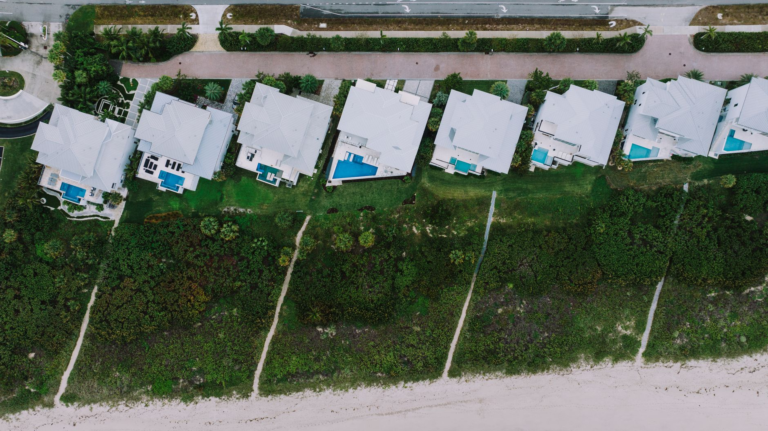
Living along the sparkling shores of Destin, Navarre Beach, and the scenic 30A corridor brings a lifestyle many dream of, but it also introduces a distinct set of energy considerations that differ from inland living. The salty breezes, frequent tropical storms, and higher humidity levels create a demanding environment for electrical systems, HVAC units, and renewable‑energy installations. Homeowners who engage in coastal home energy planning quickly discover that conventional strategies often fall short. From protecting wiring against corrosion to selecting solar panels that can withstand high winds, each decision must factor in the ocean’s influence. This article explores why coastal residents think about energy differently, offering practical guidance that blends durability, efficiency, and sustainability into a cohesive plan.
Find us here:
Solar Cost Calculator – Florida Panhandle Only
* Estimate based on $3.25 per watt for solar installation.
* For Tesla Powerwall 3 Batteries, $15,000 for the first battery, $12,000 for each additional battery.
* Other variations and types of Batteries are available.
Weather Extremes Shape Energy Strategies
The Gulf Coast is no stranger to powerful weather events. Hurricanes, tropical storms, and even occasional tornadoes can deliver wind speeds exceeding 150 mph, flooding, and prolonged power outages. For coastal home energy planning, the first priority is resilience. Electrical panels must be elevated or housed in flood‑proof enclosures, while wiring should be rated for moisture and salt exposure. Installing a whole‑house surge protector becomes essential to shield sensitive appliances from voltage spikes that often accompany severe weather. Moreover, homeowners should consider a robust backup power solution—whether a generator, battery storage system, or a hybrid approach—to ensure critical systems like sump pumps and refrigeration stay operational when the grid fails.
Salt Air and Its Effect on Electrical Components
One of the most insidious challenges for coastal properties is the constant presence of salt in the air. Salt particles settle on outdoor equipment, corroding metal contacts, circuit boards, and even the frames of solar panels over time. In the context of coastal home energy planning, selecting corrosion‑resistant materials is not optional—it’s a necessity. Stainless‑steel or coated fasteners, marine‑grade conduit, and UV‑stabilized wiring jackets extend the lifespan of installations. Regular maintenance, such as rinsing exterior components with fresh water after a storm, helps mitigate the buildup of salt residue. Homeowners who neglect these preventative measures often face premature equipment failure, leading to higher repair costs and reduced system efficiency.
Solar Power: High Potential, High Risk
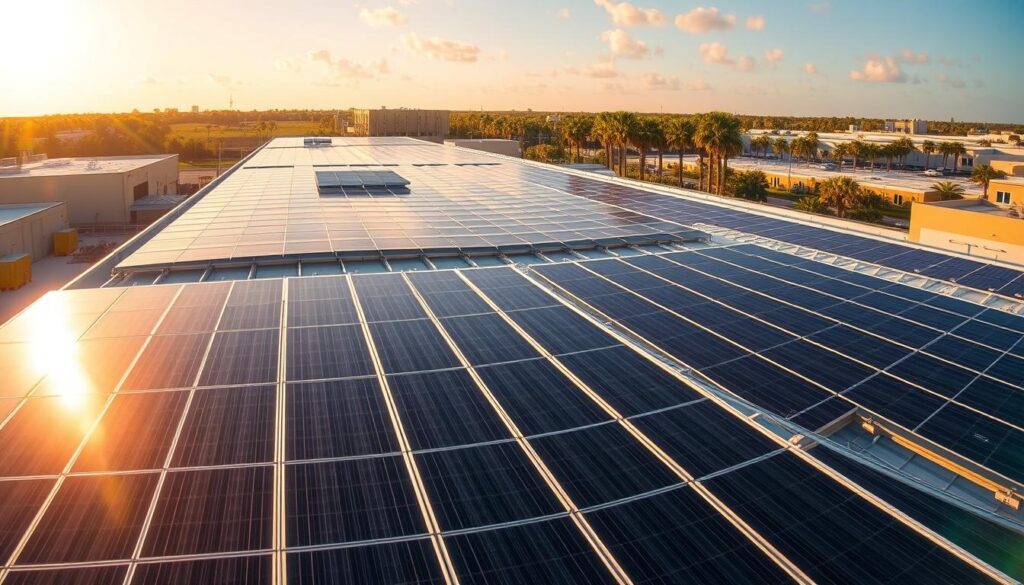
Sunshine is abundant along the Emerald Coast, making solar energy an attractive option for reducing utility bills and carbon footprints. However, coastal home energy planning must balance the promise of solar gain with the reality of hurricane‑force winds and salt‑induced degradation. Choosing low‑profile, wind‑rated mounting systems that meet the Florida Building Code is critical. Panels should be certified for at least 150 mph wind resistance, and the array layout should allow wind to flow around rather than trap pressure. Additionally, using anti‑soiling coatings can lessen the corrosive impact of salt spray, preserving panel output over the years. When installed correctly, solar installations can provide reliable, clean power even during grid outages, especially when paired with battery storage.
Energy Efficiency Through Insulation and Air Sealing
Coastal homes often suffer from higher humidity levels, which can lead to condensation, mold, and reduced HVAC efficiency. Effective coastal home energy planning starts with a well‑insulated building envelope. Closed‑cell spray foam or rigid foam board provides both thermal resistance and a moisture barrier, preventing humid air from infiltrating walls and ceilings. In addition, sealing gaps around windows, doors, and utility penetrations reduces drafts and the workload on heating and cooling systems. Energy‑efficient windows with low‑E coatings and argon‑filled panes further protect interiors from heat gain in summer and heat loss in winter. By tightening the building envelope, homeowners can lower energy consumption, improve indoor comfort, and protect structural components from moisture damage.
Backup Power Solutions Tailored for Coastal Living
Power outages are not a rarity on the Gulf Coast; they are a predictable part of the seasonal rhythm. Consequently, backup power is a cornerstone of any coastal home energy planning effort. Standby generators, typically fueled by natural gas or propane, should be installed on a concrete pad and equipped with a transfer switch to automatically engage when the grid goes down. For homeowners seeking a greener alternative, lithium‑ion battery systems paired with solar arrays can store excess daytime generation for nighttime use or emergency situations. Hybrid setups—combining a generator with battery storage—offer the best of both worlds: clean energy during normal conditions and reliable fuel‑based power when batteries are depleted. Regular testing and maintenance of these systems ensure they function when needed most.
Utility Rates, Net Metering, and Financial Incentives
Understanding the local utility landscape is essential for informed coastal home energy planning. Florida’s electric rates vary by provider, and many coastal municipalities offer time‑of‑use pricing that encourages off‑peak consumption. Homeowners who install solar can benefit from net metering policies, which credit excess generation back to the grid at the retail rate. Additionally, state and federal incentives—such as the Solar Investment Tax Credit (ITC) and local rebates for energy‑efficient upgrades—can significantly offset upfront costs. Conducting a cost‑benefit analysis that incorporates these financial factors helps homeowners decide which technologies provide the quickest return on investment while aligning with long‑term sustainability goals.
Key Steps in a Coastal Home Energy Planning Checklist
- Assess site‑specific risks: flood zones, wind exposure, and salt spray intensity.
- Upgrade electrical panels and install surge protection.
- Select marine‑grade materials for all exterior installations.
- Design a wind‑rated solar array with appropriate mounting systems.
- Enhance insulation and air sealing to combat humidity‑related inefficiencies.
- Choose a backup power solution that balances fuel availability and renewable integration.
- Research local utility rates, net‑metering policies, and available rebates.
- Schedule regular maintenance, including rinsing salt deposits and testing backup systems.
Comparing Energy Options for Coastal Homes
| Option | Pros | Cons |
|---|---|---|
| Solar + Battery | Clean energy, reduces grid reliance, eligible for net metering | Higher upfront cost, battery lifespan considerations |
| Standby Generator | Immediate power, works in any weather | Fuel dependence, noise, maintenance required |
Long‑Term Investment Perspective
When homeowners view coastal home energy planning through a long‑term lens, the financial picture shifts from short‑term expense to strategic investment. Durable, corrosion‑resistant components may carry a higher price tag initially, but they reduce replacement frequency and protect property value. Energy‑efficient upgrades—such as high‑performance windows and superior insulation—lower monthly utility bills, providing measurable savings over the lifespan of the home. Moreover, properties equipped with renewable‑energy systems and reliable backup power often command premium resale prices, as buyers recognize the added resilience and lower operating costs. By aligning immediate actions with future benefits, coastal homeowners can achieve both environmental stewardship and economic advantage.
Community Resources and Local Incentives
Many coastal municipalities and regional organizations offer resources tailored to the unique needs of shoreline residents. Local utility companies frequently host workshops on hurricane‑proofing electrical systems and provide rebates for energy‑efficient appliances. Non‑profit groups such as the Gulf Coast Renewable Energy Coalition advocate for policies that support solar adoption and battery storage, often distributing grant information and technical assistance. Homeowners are encouraged to connect with county extension offices, which can supply data on floodplain maps, recommended building practices, and climate‑adaptation strategies. Engaging with these community resources ensures that coastal home energy planning remains up‑to‑date with the latest regulations, incentives, and best‑practice guidelines.
In summary, coastal home energy planning demands a holistic approach that accounts for the relentless influence of the sea, the unpredictability of storms, and the desire for sustainable living. By selecting marine‑grade materials, investing in resilient solar and backup power systems, enhancing building envelope efficiency, and leveraging local incentives, homeowners along Destin, Navarre Beach, and 30A can secure reliable, cost‑effective energy for years to come.
