




Why Seasonal Living Matters for Your Wallet
When you move between a beachfront condo in Destin during the summer and a mountain cabin for the winter, the pattern of heating, cooling, and electricity usage changes dramatically. Those shifts are captured by the term seasonal home energy costs. Understanding how these costs fluctuate is essential for homeowners who split their time across different climates, as well as for anyone who leaves a property vacant for part of the year. By recognizing the variables that drive energy consumption—temperature extremes, occupancy schedules, and the efficiency of building systems—you can make smarter decisions that keep your annual utility bills under control while maintaining comfort and protecting your investment.
Find us here:
Solar Cost Calculator – Florida Panhandle Only
* Estimate based on $3.25 per watt for solar installation.
* For Tesla Powerwall 3 Batteries, $15,000 for the first battery, $12,000 for each additional battery.
* Other variations and types of Batteries are available.
Understanding Seasonal Home Energy Costs
Seasonal home energy costs are not a static figure; they are a dynamic calculation that reflects the interplay of climate, occupancy, and technology. In the warm months, air‑conditioning units work overtime, especially in humid coastal areas, while in winter the furnace or heat pump must combat cold drafts and low outdoor temperatures. When a house is unoccupied, many systems can be turned down or set to “away” modes, yet standby losses, phantom loads, and the need for periodic heating to prevent pipe freezing still contribute to the overall energy profile. By breaking down each factor, you can pinpoint where savings are possible and where extra spending is unavoidable.
How Climate Variations Influence Consumption
The most obvious driver of seasonal home energy costs is the local climate. In a humid subtropical zone like Destin, Florida, the cooling season can extend from May through October, with peak demand in July and August. In contrast, a high‑altitude location in the Rockies may see heating needs from October through April. The temperature delta between indoor comfort levels (typically 68–74°F) and outdoor conditions determines the amount of energy required to maintain that comfort. Larger deltas mean longer run times for HVAC equipment, higher fan speeds, and increased wear on components, all of which raise utility bills.

Impact of Occupancy Patterns
Occupancy is another key variable in the equation of seasonal home energy costs. When a property is fully lived in, lights, appliances, and electronics are used continuously, and the thermostat is set for daily comfort. When the home is vacant, many of those loads disappear, but a baseline level of energy consumption remains. For example, refrigerators must stay on, security systems draw power, and smart devices often stay connected to Wi‑Fi. Moreover, if a homeowner chooses to keep the heating on at a low temperature to prevent frozen pipes, that baseline can be significant during a harsh winter. Understanding the exact occupancy schedule helps you tailor set‑points and program automation to minimize waste.
Strategies to Reduce Seasonal Home Energy Costs
Now that you know the primary forces behind seasonal home energy costs, let’s explore actionable strategies that can lower those expenses without sacrificing comfort. The most effective measures combine proper building envelope upgrades with intelligent control of HVAC systems and, where feasible, the integration of renewable energy sources. Below are the most impactful tactics for both summer and winter scenarios.
Insulation and Sealing
A well‑insulated envelope is the foundation of any energy‑saving plan. Adding or upgrading attic insulation, sealing gaps around windows, doors, and utility penetrations, and installing weather‑stripping can reduce heat loss in winter and heat gain in summer by up to 30 %. For seasonal homeowners, these improvements are especially valuable because they keep the indoor environment stable during periods of low occupancy, reducing the need for frequent thermostat adjustments and lowering the baseline energy draw.
Smart Thermostats and Zoning
Modern smart thermostats allow you to create schedules that align with your occupancy calendar. You can set “away” temperatures for months when the home is empty, then program a rapid “wake‑up” sequence before you return. Zoning systems take this a step further by dividing the house into independent climate zones, so you can heat or cool only the occupied areas. This precision dramatically cuts seasonal home energy costs, especially in larger properties where heating or cooling unused rooms would otherwise waste energy.
Renewable Energy Options
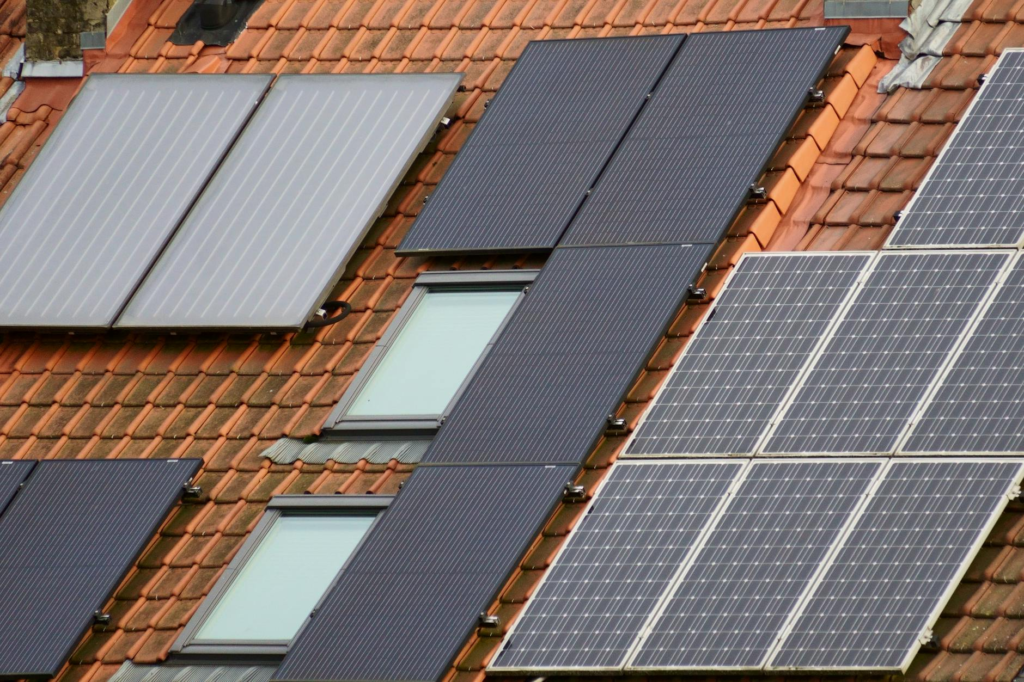
Installing solar photovoltaic panels or a small wind turbine can offset a sizable portion of your seasonal electricity consumption. Because solar generation peaks during the summer—when cooling loads are highest—it aligns perfectly with the period of greatest energy demand for many coastal homes. Pairing renewable generation with battery storage ensures that excess energy captured during sunny days can be used during winter evenings, further smoothing out seasonal home energy costs throughout the year.
Financial Implications Over a Year
To illustrate how seasonal variations affect the bottom line, consider a typical 2,500‑square‑foot home that is occupied full‑time during the summer months and only intermittently in winter. The table below breaks down average monthly electricity and gas usage, showing the stark contrast between peak and off‑peak seasons. By applying the strategies discussed earlier, many homeowners can shrink the peak‑season spikes and flatten the overall annual cost curve.
| Month | Average Electricity (kWh) | Average Gas (Therms) | Estimated Cost (USD) |
|---|---|---|---|
| January | 800 | 120 | $210 |
| February | 750 | 110 | $200 |
| March | 600 | 90 | $165 |
| April | 450 | 60 | $120 |
| May | 550 | 70 | $150 |
| June | 900 | 80 | $225 |
| July | 1,200 | 85 | $300 |
| August | 1,150 | 80 | $285 |
| September | 800 | 70 | $190 |
| October | 600 | 85 | $170 |
| November | 500 | 100 | $155 |
| December | 700 | 115 | $205 |
Notice the spikes in July and August, when electricity usage jumps to over 1,200 kWh due to intense cooling. Conversely, the winter months show higher gas consumption for heating but lower electricity demand. By targeting the high‑usage periods with insulation upgrades, thermostat programming, and possibly solar generation, you can reduce the annual total by as much as 15‑20 %.
Maintenance and Monitoring Tips
Even the best‑planned energy strategy can fall short without regular maintenance and vigilant monitoring. Seasonal homeowners should schedule HVAC inspections before the start of each major season, replace air filters, and check for leaks in ducts or refrigerant lines. Smart energy monitors give real‑time feedback on consumption, highlighting unexpected spikes that may indicate a malfunctioning appliance or an overlooked standby load.
- Schedule a professional HVAC tune‑up twice a year.
- Inspect and reseal windows and doors before winter.
- Use smart plugs to eliminate phantom loads on electronics.
- Calibrate smart thermostat sensors for accurate temperature readings.
- Review utility bills monthly to spot anomalies early.
Implementing these routine actions ensures that the savings you achieve through insulation, smart controls, and renewable energy are not eroded by preventable inefficiencies. Over time, the habit of proactive maintenance becomes a cornerstone of managing seasonal home energy costs effectively.
By recognizing the unique challenges that come with moving between climates, optimizing the building envelope, leveraging technology, and staying on top of maintenance, you can transform seasonal home energy costs from a surprise expense into a predictable, manageable part of your annual budget. This approach not only protects your financial bottom line but also contributes to a greener, more sustainable lifestyle—whether you’re basking on the Gulf Coast or skiing in the Rockies.
