




When you think about improving your property in the Florida Panhandle, the first things that come to mind are often paint colors, kitchen upgrades, or landscaping. Yet one critical factor that many homeowners overlook is the age of the roof. Understanding how roof age influences home planning can save you thousands of dollars, protect your family from water damage, and ensure that any major investment you make adds real value rather than hidden risk.
Find us here:
Solar Cost Calculator – Florida Panhandle Only
* Estimate based on $3.25 per watt for solar installation.
* For Tesla Powerwall 3 Batteries, $15,000 for the first battery, $12,000 for each additional battery.
* Other variations and types of Batteries are available.
Understanding Roof Lifespan
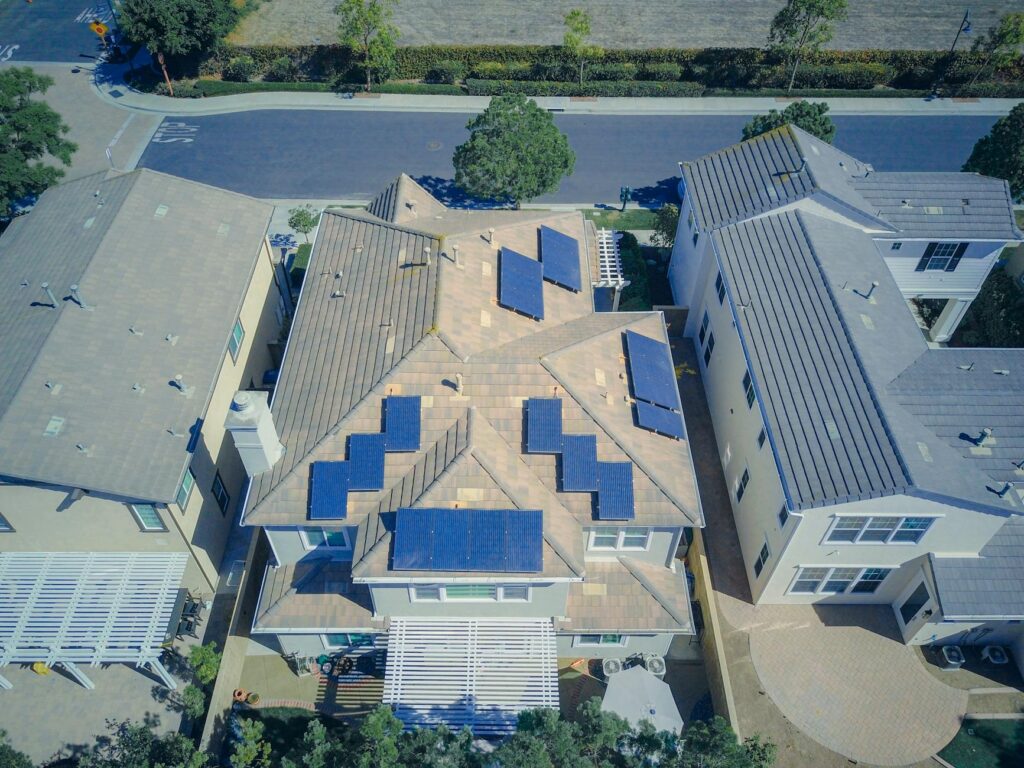
Every roofing material has a designed lifespan, but real‑world conditions can accelerate wear. Asphalt shingles, the most common choice in the Panhandle, typically last 15‑20 years under ideal conditions. Metal roofs can stretch 30‑50 years, while tile and slate may survive a century or more. The key is not just the calendar years but the cumulative exposure to sun, wind, humidity, and occasional storms that characterize the Gulf Coast climate.
Why Age Beats Aesthetics
A roof might look pristine from the street, but its internal layers could be deteriorating. UV radiation breaks down the granules on shingles, reducing their ability to reflect heat and repel water. Over time, the underlying roof deck can develop moisture pockets that are invisible without a professional inspection. Ignoring the true age of the roof can lead you to make home planning decisions based on a façade rather than the structure’s actual condition.
The Financial Impact of Ignoring Roof Age
One of the most immediate consequences of neglecting roof age in home planning is unexpected repair costs. A minor leak that appears after a new addition is installed can quickly become a major water intrusion problem, damaging drywall, insulation, and even electrical systems. The expense of fixing these secondary issues often far exceeds the cost of a pre‑emptive roof replacement. By factoring roof age into your budgeting process, you can allocate funds wisely and avoid surprise expenses that derail your renovation timeline.
Insurance Implications
Insurance carriers in Florida frequently assess roof age when determining premiums. An older roof is considered a higher risk for storm damage, leading to higher rates or even denial of coverage. Some policies may require proof of recent roof maintenance or replacement before they will fully protect your home. Including roof age in your home planning discussions with insurers can help you negotiate better terms or decide whether a roof upgrade should precede other improvements.
Energy Efficiency and Age
As a roof ages, its ability to reflect solar heat diminishes. In the hot, humid climate of the Panhandle, an older roof can cause indoor temperatures to rise, forcing your HVAC system to work harder. This not only spikes utility bills but also shortens the lifespan of your cooling equipment. By accounting for roof age in home planning, you can prioritize upgrades that improve energy performance, such as installing reflective coatings or replacing the roof entirely.
Planning Major Home Improvements
When you schedule a kitchen remodel, add a bathroom, or expand your living space, the roof often becomes the silent partner in the project. A new addition puts extra weight on the existing structure, and an older roof may lack the capacity to support that load. Incorporating roof age into your home planning ensures that you evaluate structural integrity before breaking ground, preventing costly reinforcements later on.

Timing Renovations with Roof Replacement
Coordinating a roof replacement with other renovations can be a strategic move. If your roof is nearing the end of its useful life, aligning its replacement with a remodel reduces the disruption of having multiple crews on site at different times. Moreover, many contractors offer bundled discounts when they handle both roofing and construction work, making the overall project more affordable.
Budgeting Strategies
Creating a realistic budget starts with an honest assessment of roof age. Allocate a portion of your renovation fund to a roof inspection and possible replacement. If the roof is still within its expected lifespan, you might choose to defer replacement for a few years, but you should still set aside contingency funds for unexpected repairs. This proactive budgeting approach aligns roof age home planning with your long‑term financial goals.
Local Climate Considerations
The Florida Panhandle experiences a unique blend of heat, humidity, and occasional tropical storms. These conditions accelerate the aging process of roofing materials. Salt air from the Gulf can corrode metal components, while intense sunlight degrades asphalt. Understanding how regional climate interacts with roof age is essential for any homeowner who wants to make informed decisions about future projects.
Florida Panhandle Weather and Roof Age
Even a well‑maintained roof will show signs of wear faster in this environment than in cooler, drier regions. Seasonal temperature swings cause expansion and contraction, leading to cracked shingles and loosened fasteners. After a major storm, it’s common to find hidden damage that only becomes apparent months later. By incorporating these climate realities into roof age home planning, you can schedule inspections after each severe weather event.
Materials That Age Differently
Choosing the right roofing material for the Panhandle can extend the functional life of your roof. While asphalt is affordable, it may require replacement sooner than metal or tile. Metal roofs resist corrosion and reflect heat, making them a solid long‑term investment despite higher upfront costs. Tile and slate offer exceptional durability but demand careful installation to prevent water infiltration at seams.
| Material | Typical Lifespan (Years) |
|---|---|
| Asphalt Shingles | 15–20 |
| Metal Roofing | 30–50 |
| Clay/Concrete Tile | 40–70 |
| Slate | 75–100+ |
Signs Your Roof Is Near End of Life
Identifying the early warning signs of a roof that’s approaching the end of its service life is a cornerstone of effective roof age home planning. While some issues are obvious, others require a trained eye. Below are the most common indicators that it may be time to consider a replacement.
Visual Clues
- Granule loss on shingles, visible as a reddish‑brown dust on gutters.
- Cracked, curled, or missing shingles.
- Dark streaks or water stains on interior ceilings.
- Algae or moss growth, especially in shaded areas.
Structural Indicators
- Sagging roof deck or noticeable dips in the roof line.
- Loose or rusted flashing around chimneys, vents, and skylights.
- Increased attic temperature, indicating poor insulation performance.
- Repeated minor leaks after repairs.
If you notice any of these signs, schedule a professional roof inspection promptly. Ignoring them can lead to more extensive damage that compromises the safety of your home and the success of any future renovation plans.
When to Consult a Professional
Even the most diligent homeowner can misinterpret the condition of a roof. Certified roofers have the tools to conduct moisture mapping, infrared scanning, and structural assessments that reveal hidden problems. Bringing a professional into your roof age home planning process ensures that you receive an accurate evaluation, a realistic repair or replacement estimate, and guidance on how to sequence upcoming projects.
Choosing the Right Contractor
Look for contractors with a strong track record in the Panhandle, proper licensing, and positive customer reviews. Ask for references on recent roof replacements, and verify that they carry appropriate insurance. A reputable contractor will also discuss warranty options, which can add peace of mind to your home planning strategy.
In summary, the age of your roof is more than a cosmetic detail; it is a pivotal factor that influences financial risk, energy efficiency, insurance costs, and the feasibility of major home improvements. By integrating roof age home planning into every stage of your property decisions, you protect your investment, enhance comfort, and set a solid foundation for future growth.
Taking the time now to assess your roof’s condition and plan accordingly will pay dividends for years to come. Whether you decide to replace the roof immediately or schedule it strategically alongside other upgrades, the key is to make an informed decision that aligns with both your budget and long‑term vision for your home.
