



Why Age Matters: Understanding HVAC Lifespan
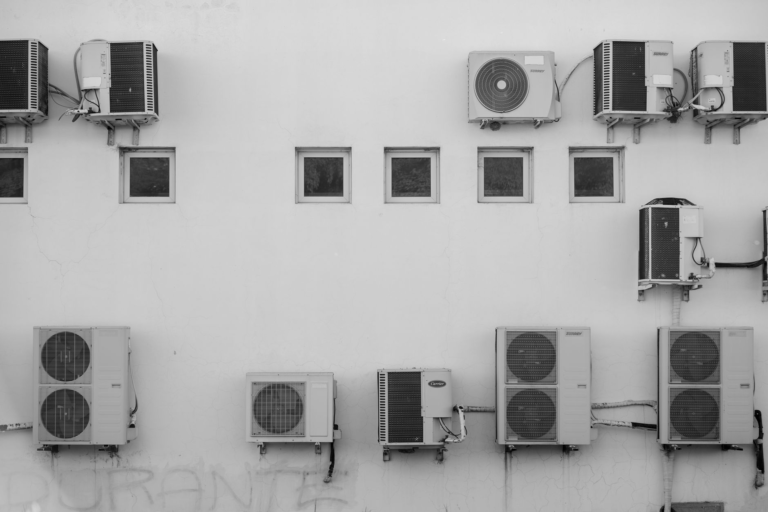
Homeowners often assume that an HVAC system will function adequately for decades without major issues. In reality, the mechanical components inside an air conditioner or furnace experience wear and tear long before the unit reaches its advertised lifespan. As seals degrade, motors lose efficiency, and refrigerant pathways become clogged, the system’s ability to move heat efficiently declines. This gradual loss of performance translates directly into higher utility bills, especially during the hot summer months and chilly winter nights. Recognizing the signs of an aging unit—such as uneven temperatures, longer run times, and frequent cycling—helps you anticipate the hidden financial impact that older hvac energy costs can impose on a household.
Find us here:
Solar Cost Calculator – Florida Panhandle Only
* Estimate based on $3.25 per watt for solar installation.
* For Tesla Powerwall 3 Batteries, $15,000 for the first battery, $12,000 for each additional battery.
* Other variations and types of Batteries are available.
The Hidden Energy Drain of Older Units
When an HVAC system ages, its compressor, fan motors, and heat exchangers no longer operate at optimal efficiency. Modern units are built to meet stringent SEER (Seasonal Energy Efficiency Ratio) and AFUE (Annual Fuel Utilization Efficiency) standards, while older models often fall short of these benchmarks. The result is that an older system may consume up to 30 percent more electricity or fuel to deliver the same level of comfort. Those extra kilowatt‑hours may seem small on a monthly basis, but over a year they accumulate into a significant portion of a family’s energy budget. This is precisely why tracking older hvac energy costs is essential for homeowners who want to keep their expenses predictable.
How Older HVAC Energy Costs Add Up
Consider a typical 2,500‑square‑foot home in the Gulf Coast region, where cooling demands dominate for eight months of the year. A brand‑new, high‑efficiency air conditioner might use roughly 1,800 kWh annually for cooling. An older unit of the same capacity, however, could require 2,400 kWh or more. At an average electricity rate of $0.13 per kWh, that difference translates into an extra $78 each year. While $78 may not sound alarming on its own, combine it with the additional costs of maintenance, potential refrigerant leaks, and reduced comfort, and the total older hvac energy costs become a notable burden.
Hidden Maintenance Expenses
Older systems are more prone to breakdowns, which means more frequent service calls, part replacements, and emergency repairs. A failing blower motor or a corroded coil can cost anywhere from $150 to $800 to fix. When these repairs are needed repeatedly, the cumulative expense can eclipse the savings you might have thought you were achieving by avoiding a system replacement. Moreover, many technicians will recommend a full system overhaul after a certain number of repairs, reinforcing the notion that older hvac energy costs are only part of a broader financial picture.
Comfort and Indoor Air Quality Impacts
Beyond the monetary aspect, an aging HVAC unit can compromise indoor comfort and air quality. Uneven cooling leads to hot spots, while a furnace that struggles to maintain temperature can create cold drafts. Additionally, older filters and ducts may harbor dust, mold spores, and allergens that circulate throughout the home. The resulting discomfort often prompts homeowners to lower thermostat settings or run the system longer, inadvertently inflating older hvac energy costs even further.
Financial Incentives for Upgrading
Many utility companies and local governments in the Panama City, Pensacola, and Crestview areas offer rebates, tax credits, and low‑interest financing for energy‑efficient HVAC upgrades. These programs are designed to offset the upfront cost of a new system, making it more affordable to replace an aging unit that contributes to high older hvac energy costs. Before deciding, check with your electric cooperative or municipal energy office to see which incentives you qualify for. In many cases, the combined savings from lower energy consumption and rebate amounts can pay for the new equipment within three to five years.
Comparing Energy Use: New vs. Old
The table below provides a quick snapshot of how a modern, ENERGY STAR‑rated system stacks up against a typical 15‑year‑old unit. While actual numbers will vary based on climate, home size, and usage patterns, the comparison illustrates the magnitude of older hvac energy costs that many households overlook.
| System Age | SEER Rating | Estimated Annual kWh | Approx. Annual Cost (at $0.13/kWh) |
|---|---|---|---|
| New (2023) | 16 | 1,800 | $234 |
| Older (15 years) | 10 | 2,400 | $312 |
Notice that the older system consumes 600 kWh more each year, resulting in an additional $78 in electricity costs. Over a decade, that extra expense climbs to $780, not accounting for the higher likelihood of repairs and reduced comfort. When you factor in these hidden costs, the financial advantage of upgrading becomes even clearer.
Steps to Evaluate Your System
- Check the age of your equipment. Most units have a label indicating the manufacture date.
- Review your utility bills for spikes in heating or cooling expenses over the past few years.
- Schedule a professional energy audit to measure SEER and AFUE performance.
- Inspect for frequent repairs, unusual noises, or inconsistent temperature control.
- Calculate the payback period by comparing current older hvac energy costs with projected savings from a new, efficient model.
By following these steps, you can make an informed decision based on concrete data rather than assumptions. A clear understanding of how much your existing system is costing you each month helps justify the investment in a newer, more efficient unit.
Making the Switch: What to Expect
Transitioning from an older HVAC system to a modern replacement is a multi‑phase process, but it doesn’t have to be overwhelming. First, a qualified contractor will perform a load calculation to determine the appropriate size for your home, ensuring optimal performance and energy use. Next, the old equipment is removed, and new ductwork or insulation may be installed if needed to maximize efficiency. Finally, the new unit is commissioned, and the contractor will walk you through programmable thermostat settings and maintenance schedules.
Homeowners who replace outdated equipment often notice an immediate drop in utility bills, sometimes as much as 20 percent during the first cooling season. In addition to the financial benefits, a new system typically runs quieter, provides more consistent temperature control, and improves indoor air quality—all factors that contribute to a healthier living environment.
Long‑Term Savings and Environmental Impact
Beyond the direct monetary savings, upgrading your HVAC system reduces your household’s carbon footprint. Modern units use less electricity and, in the case of high‑efficiency furnaces, less natural gas or oil. Over the lifespan of a new system—often 15 to 20 years—the cumulative reduction in greenhouse gas emissions can be substantial. For environmentally conscious homeowners in Panama City, Pensacola, and Crestview, this added benefit aligns with broader community goals for sustainability.
In summary, the hidden cost of leaving an older HVAC system in place extends far beyond the immediate older hvac energy costs reflected on your monthly bill. It encompasses increased maintenance expenses, reduced comfort, lower indoor air quality, and missed opportunities for financial incentives and environmental stewardship. By evaluating your current system, understanding the true cost of inefficiency, and taking advantage of available rebates, you can make a strategic decision that pays off both financially and in quality of life.
Take the first step today: assess the age of your equipment, calculate your older hvac energy costs, and explore upgrade options with a trusted local HVAC professional.
