




Florida families are rethinking the way they tackle home upgrades. Instead of launching massive, single‑project renovations, many are opting for a more measured approach that spreads work over several months or even years. This trend, known as phased home improvements, allows homeowners to align projects with cash flow, take advantage of seasonal labor windows, and respond to the unique weather challenges of the Panhandle. By breaking down large undertakings into manageable stages, families can keep their finances stable while still moving toward a safer, more comfortable, and higher‑value residence.
Find us here:
Solar Cost Calculator – Florida Panhandle Only
* Estimate based on $3.25 per watt for solar installation.
* For Tesla Powerwall 3 Batteries, $15,000 for the first battery, $12,000 for each additional battery.
* Other variations and types of Batteries are available.
Phased Home Improvements: Economic Drivers
The Florida economy has experienced rapid fluctuations in recent years, influencing how homeowners allocate resources. Inflation has pushed material prices—especially lumber, steel, and concrete—well above pre‑pandemic levels. When a single, all‑at‑once remodel would require a hefty upfront outlay, many families choose to split the expense across multiple budgeting periods. This method not only eases cash‑flow pressure but also provides the flexibility to pause and reassess priorities if market conditions shift.
Rising Construction Costs
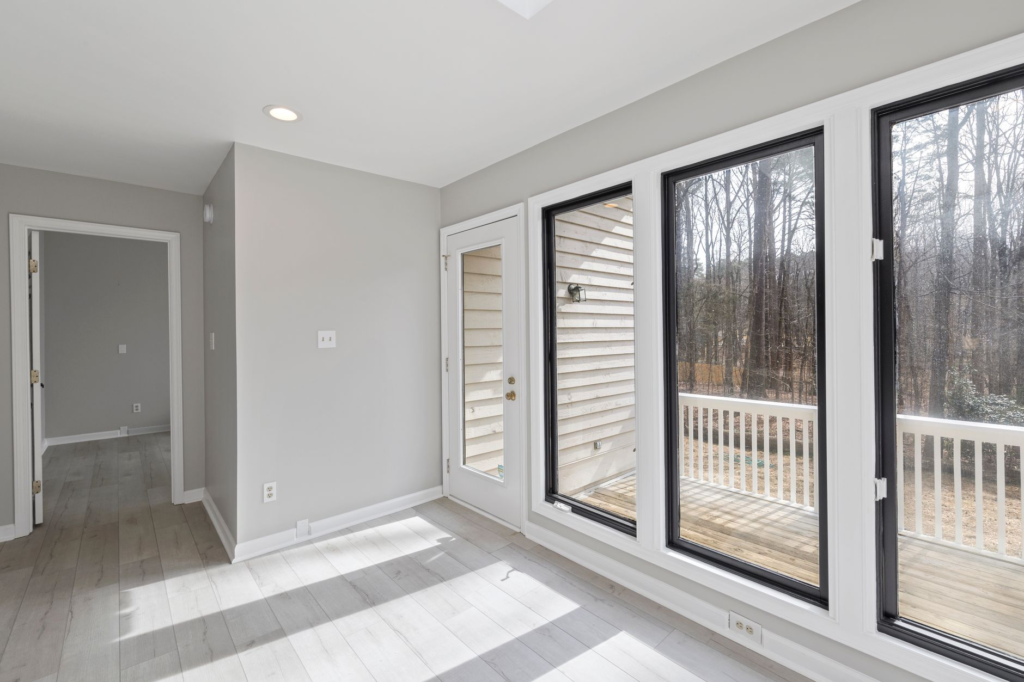
National supply‑chain disruptions have caused a cascade of price increases for building materials. For example, the cost of treated lumber has risen by more than 30 % in the past two years, while steel framing prices have followed a similar trajectory. By spreading out purchases, homeowners can take advantage of price dips or promotional discounts that arise, rather than being forced to lock in high rates for an entire project. This incremental buying strategy is a core advantage of phased home improvements.
Seasonal Labor Availability
Construction crews in the Panhandle tend to be most abundant during the cooler months of October through March. During the hot, humid summer, many contractors limit their hours or focus on smaller, interior jobs. Families that plan upgrades in phases can schedule exterior work—such as roofing or siding replacement—during the optimal weather window, then shift to interior remodels when labor is more readily available. This timing reduces delays and keeps projects on schedule.
Phased Home Improvements: Climate Considerations
Florida’s climate is a decisive factor in any renovation plan. The state’s exposure to hurricanes, heavy rain, and high humidity forces homeowners to think strategically about durability and protection. By breaking a remodel into stages, families can prioritize critical upgrades—like reinforcing the roof or improving drainage—before moving on to aesthetic enhancements. This approach ensures that the most vulnerable parts of a home are addressed first, reducing the risk of storm damage during later phases.
Hurricane Preparedness
When a home’s roof, windows, and doors are not up to the latest impact‑resistance standards, the risk of costly water intrusion rises dramatically. Homeowners who adopt a phased strategy often start with structural fortifications: installing hurricane‑rated windows, adding reinforced door frames, and upgrading the roof deck. By completing these safety‑first phases, families create a resilient envelope that protects subsequent interior improvements from storm‑related setbacks.
Moisture & Mold Management
High humidity levels in the Panhandle can lead to hidden moisture problems behind walls and under floors. A phased approach gives owners the chance to conduct thorough inspections, install proper ventilation, and apply moisture barriers before moving on to cosmetic work. Addressing these hidden issues early prevents future mold growth, which can be far more expensive to remediate after a finish has been applied.
Phased Home Improvements: Financial Planning Benefits
From a budgeting perspective, breaking a renovation into phases offers several tangible advantages. It allows families to spread costs over multiple fiscal years, align spending with pay‑check cycles, and even take advantage of tax deductions in different years. Moreover, homeowners can evaluate the return on investment after each stage, making data‑driven decisions about whether to continue, adjust, or pause the project.
Budget Flexibility
Instead of securing a large loan or dipping into emergency savings, families can allocate a modest portion of their monthly budget to each phase. This incremental financing reduces the need for high‑interest credit and keeps debt levels manageable. In many cases, homeowners find that savings from energy‑efficient upgrades in early phases can be redirected toward later aesthetic improvements.
Financing Options
Lenders have begun to recognize the benefits of staged projects, offering flexible financing products such as renovation lines of credit that can be drawn down as each phase begins. Home equity loans, personal loans, and even “green” financing for energy upgrades can be matched to the specific needs of each stage, providing tailored interest rates and repayment terms.
Phased Home Improvements: Real‑World Strategies
Successful families often follow a logical progression when planning their upgrades. By focusing first on structural integrity, then on performance‑enhancing systems, and finally on visual appeal, they ensure each investment builds upon a solid foundation. Below are three common pathways that illustrate how a phased plan can unfold in a typical Florida home.
Prioritizing Structural Integrity
The first phase usually targets the core envelope of the house: roof replacement, foundation repairs, and reinforcement of load‑bearing walls. These upgrades protect the home from water intrusion, wind damage, and settlement issues. By completing this stage first, families safeguard later investments—such as new flooring or cabinetry—from being compromised by structural failures.
Energy Efficiency Upgrades
Once the structure is sound, many homeowners move to performance improvements. Adding insulation, installing high‑efficiency HVAC systems, and upgrading to low‑E windows can dramatically lower utility bills in the hot Florida climate. These upgrades often qualify for state rebates or federal tax credits, providing additional financial incentives that fit neatly into a phased schedule.
Aesthetic Enhancements
The final phase focuses on the look and feel of the home: kitchen remodels, bathroom upgrades, interior paint, and landscaping. Because these projects are largely cosmetic, they can be postponed without jeopardizing the safety or efficiency of the residence. Families often use savings generated from earlier energy upgrades to fund these finishing touches.
| Phase | Typical Tasks | Estimated Cost Range (USD) |
|---|---|---|
| 1 – Structure | Roof replacement, foundation repair, window reinforcement | $15,000 – $35,000 |
| 2 – Efficiency | Insulation, HVAC upgrade, low‑E windows | $10,000 – $25,000 |
| 3 – Aesthetics | Kitchen remodel, bathroom upgrade, interior paint, landscaping | $20,000 – $45,000 |
Phased Home Improvements: Tips for Success
- Start with a comprehensive home inspection to identify critical structural issues.
- Set clear priorities for each phase and create a realistic timeline.
- Secure financing that can be accessed as needed, rather than taking out a lump‑sum loan.
- Work with contractors who understand the benefits of staged projects and can coordinate scheduling.
- Track expenses meticulously to stay within budget for each stage.
- Take advantage of seasonal discounts on materials and labor.
- Review local building codes before each phase to avoid costly re‑work.
By treating home renovation as a series of intentional steps, Florida families can protect their finances, enhance their property’s resilience against the elements, and ultimately achieve a more satisfying, long‑lasting result. The flexibility offered by phased home improvements empowers homeowners to adapt to market changes, capitalize on seasonal opportunities, and keep their dream home on track without compromising stability.
