

Understanding the Role of Light in Solar Energy Production
Solar panels generate electricity by converting sunlight into direct current through the photovoltaic effect. Every photon that strikes the silicon cells has the potential to create an electron‑hole pair, which ultimately contributes to the panel’s power output. However, not every photon that reaches the panel surface is absorbed; a portion is reflected back into the atmosphere, especially when the glass cover is uncoated or poorly designed. In sunny regions like the Florida Panhandle, where the sun shines for more than 300 days a year, even a small reduction in reflected light can translate into a noticeable loss of kilowatt‑hours over the lifespan of an installation. This is why the industry has turned its attention to advanced surface treatments that can capture more of the available sunlight.
Find us here:
Solar Cost Calculator – Florida Panhandle Only
* Estimate based on $3.25 per watt for solar installation.
* For Tesla Powerwall 3 Batteries, $15,000 for the first battery, $12,000 for each additional battery.
* Other variations and types of Batteries are available.
What Exactly Is an Anti‑Reflective Coating?
An anti‑reflective coating (ARC) is a thin, transparent layer applied to the front glass of a solar panel. Its primary function is to minimize the amount of light that bounces off the surface, allowing more photons to pass through to the photovoltaic cells underneath. These coatings are engineered using nanometer‑scale layers of materials such as silicon nitride, titanium dioxide, or specialized polymers. By creating a gradient of refractive indices, the ARC reduces the mismatch between air (refractive index ≈ 1.0) and glass (refractive index ≈ 1.5), which is the main cause of reflection. When the coating is properly designed, reflectance can drop from around 4 % on untreated glass to less than 1 % across the solar spectrum.
How Anti‑Reflective Coating Solar Panels Capture More Light
The physics behind anti‑reflective coating solar panels is rooted in interference and the principle of destructive wave cancellation. When light encounters the coating, part of the wave is reflected at the air‑coating interface, while another part penetrates the coating and reflects at the coating‑glass interface. By carefully selecting the thickness of each layer—typically a quarter of the target wavelength—the two reflected waves can be made out of phase, effectively cancelling each other out. This engineered interference dramatically lowers the overall reflectance. In practical terms, a panel equipped with a high‑quality ARC can harvest up to 6 % more energy in optimal conditions compared with a standard panel, a gain that becomes especially valuable in high‑sun locations such as Pensacola and Panama City.
Why High‑Sun Regions Benefit the Most
In the Florida Panhandle, the combination of clear skies, low latitude, and minimal seasonal variation creates an environment where solar irradiance consistently exceeds 5 kWh/m²/day. Under these circumstances, the cumulative effect of reduced reflection is amplified. For a typical 5 kW residential system, the difference between a standard panel and an anti‑reflective coating solar panels setup can amount to an additional 300–400 kWh per year. Over a 25‑year warranty period, that translates to roughly 9,000 kWh—enough to power an average home for several months each year. Moreover, the increased energy capture can improve the system’s return on investment (ROI) by shortening the payback period, a critical factor for homeowners and commercial operators alike.
Installation Considerations and Compatibility
When selecting panels with anti‑reflective coatings, installers should verify that the coating is compatible with the mounting system and the local climate. Some ARC formulations are more resistant to salt spray, which is a common concern in coastal areas like Panama City. Additionally, the coating should be rated for durability against UV radiation, temperature cycling, and mechanical abrasion caused by cleaning. Most reputable manufacturers provide warranty coverage that includes the coating’s performance for at least 10 years, ensuring that the reflective properties remain stable throughout the system’s early life when output is most critical.
Cost vs. Performance: Is the Extra Investment Worth It?
The upfront price premium for anti‑reflective coating solar panels varies, typically ranging from 2 % to 5 % over comparable uncoated modules. While this may seem modest, the long‑term energy gains can quickly offset the additional expense. For example, a homeowner in Pensacola who spends an extra $800 on a coated system could see an annual energy increase of about 30 kWh, saving roughly $45 per year at the current utility rate of $0.15/kWh. In less than 20 years, the savings would surpass the initial premium, and the panel would continue to produce clean electricity for another decade.
Maintenance, Cleaning, and Longevity
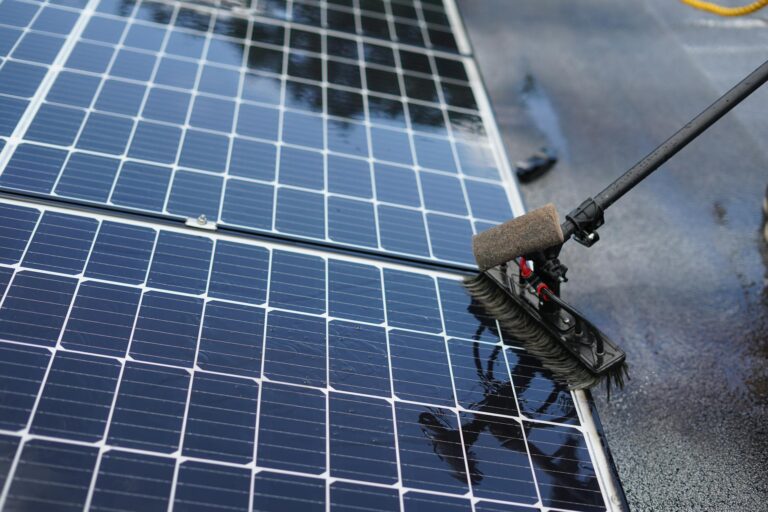
One of the underrated benefits of anti‑reflective coating solar panels is the reduction in soiling losses. The smooth, hydrophobic nature of many ARC surfaces causes water to bead and roll off more easily, taking dust and pollen with it. This self‑cleaning effect means that panels require fewer manual cleanings, which can lower maintenance costs and reduce the risk of surface damage from abrasive cleaning tools. Over time, the coating’s protective qualities also guard against micro‑cracks that can develop from thermal stress, further extending the operational lifespan of the modules.
Performance Comparison: With vs. Without Anti‑Reflective Coating
| Condition | Without Coating | With Anti‑Reflective Coating |
|---|---|---|
| Typical Reflectance | ≈ 4 % | ≤ 1 % |
| Annual Energy Gain (5 kW system) | ≈ 7,500 kWh | ≈ 8,000 kWh |
| Payback Period Extension | 10 years | 8 years |
| Cleaning Frequency | Quarterly | Bi‑annual |
Future Innovations in Anti‑Reflective Technology
Research labs are constantly experimenting with multi‑layer nanostructures that can push reflectance below 0.5 % across an even broader spectrum, including the near‑infrared range where a significant portion of solar energy resides. Some emerging coatings incorporate self‑healing polymers that repair micro‑scratches caused by hail or cleaning. As these technologies mature, the performance gap between standard and anti‑reflective coating solar panels will widen, making the latter an increasingly standard choice for new installations, especially in sun‑rich areas.
Real‑World Case Study: A Residential System in Panama City
In 2022, a 6 kW rooftop system was installed on a home in Panama City using modules with a proprietary anti‑reflective coating. Over the first twelve months, the system produced 8,250 kWh, outperforming a nearby reference system of the same size without the coating, which generated 7,750 kWh. The homeowner reported a 30 % reduction in cleaning frequency thanks to the coating’s hydrophobic properties. After three years, the performance advantage persisted, confirming that the coating not only boosts initial output but also helps maintain higher efficiency over time.
Frequently Asked Questions
- Do anti‑reflective coatings void the panel warranty? No. Most manufacturers include the coating in the standard warranty, covering performance degradation for at least a decade.
- Can existing panels be retrofitted with an anti‑reflective layer? Retrofitting is technically possible but often cost‑ineffective compared with installing new coated modules.
- How much does an anti‑reflective coating add to the overall system cost? Typically 2 %–5 % of the module price, depending on the technology and brand.
- Will the coating affect the panel’s temperature? High‑quality ARCs are designed to have minimal impact on thermal performance, and some even improve heat dissipation.
- Are there any environmental concerns with the coating materials? Most modern coatings use non‑toxic, recyclable materials, and their production processes are increasingly sustainable.
Conclusion
Anti‑reflective coating solar panels represent a smart investment for anyone looking to maximize energy harvest in bright, sunny locations such as Pensacola and Panama City. By reducing surface reflection, enhancing self‑cleaning, and extending module longevity, these advanced coatings deliver measurable performance gains that outweigh their modest price premium. As coating technologies continue to evolve, they will become an essential component of high‑efficiency solar solutions, helping homeowners and businesses alike achieve faster paybacks and a greener energy future.
