



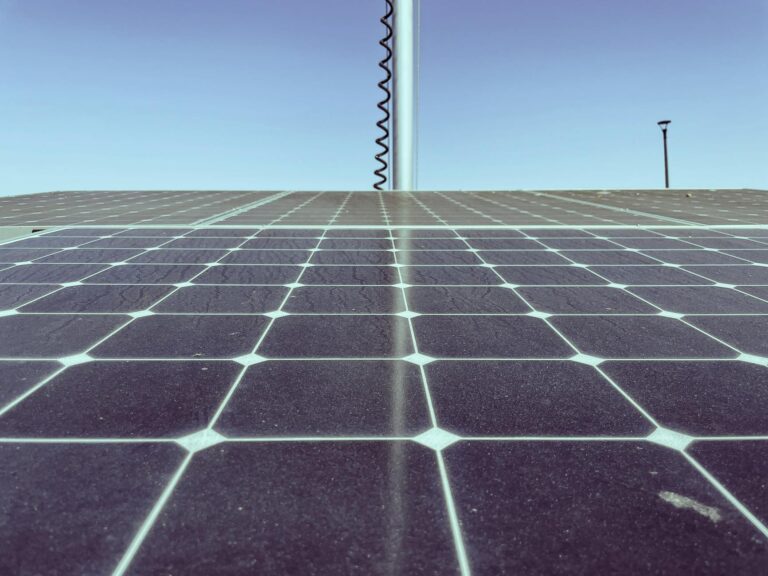
When homeowners in Destin and Panama City Beach consider solar power, the conversation quickly turns to the type of solar cells that will deliver the best long‑term performance. The Florida Panhandle’s salty sea breeze, high humidity, and intense summer heat create a unique environment that can accelerate wear on photovoltaic (PV) systems. Understanding how each solar cell type reacts to these stresses is essential for a reliable solar cell types efficiency comparison, especially for those who plan to keep their arrays in place for 25 years or more.
Find us here:
Solar Cost Calculator – Florida Panhandle Only
* Estimate based on $3.25 per watt for solar installation.
* For Tesla Powerwall 3 Batteries, $15,000 for the first battery, $12,000 for each additional battery.
* Other variations and types of Batteries are available.
Why Cell Type Matters More Than Brand
Most solar manufacturers market their panels with similar warranties and power output guarantees, but the underlying semiconductor material determines how a panel ages. A solar cell types efficiency comparison that ignores the physics of the silicon lattice, the thickness of the wafer, or the presence of additional layers will miss the key drivers of degradation. In coastal climates, the interaction between salt particles and the panel surface, as well as the temperature coefficient of the cells, can shift the balance dramatically between a 10‑percent loss after ten years and a stable 5‑percent loss over the same period.
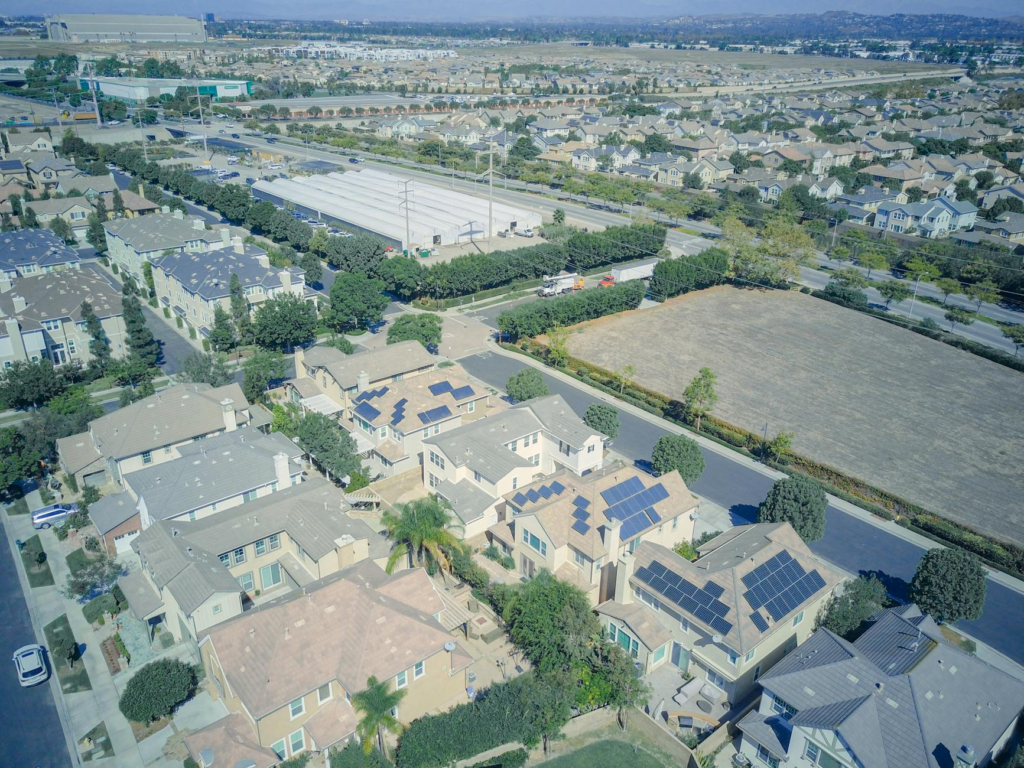
Common Solar Cell Technologies
Below is a quick overview of the most widely installed solar cell technologies in the United States. Each has distinct characteristics that affect efficiency, durability, and cost.
- Monocrystalline silicon (Mono‑Si): Made from a single crystal structure, these cells offer the highest conversion efficiency (typically 20‑22 %). They have a low temperature coefficient and a sleek black appearance.
- Polycrystalline silicon (Poly‑Si): Produced from multiple silicon crystals melted together, poly‑Si panels are slightly less efficient (15‑18 %) but are more affordable.
- Thin‑film (CdTe, CIGS, a‑Si): These layers are deposited on glass, metal, or flexible substrates. While their efficiency is lower (10‑13 %), they are lighter and perform better in high‑temperature environments.
- Bifacial panels: Capable of capturing light on both front and rear sides, bifacial modules can boost energy yield by 5‑15 % when installed over reflective surfaces.
- PERC (Passivated Emitter Rear Cell): An enhancement to traditional mono‑Si that adds a passivation layer on the back, improving efficiency and reducing degradation.
Key Factors Influencing Long‑Term Efficiency
When performing a solar cell types efficiency comparison, consider the following environmental and technical factors that dictate how a panel will hold up over decades.
- Temperature coefficient: Indicates how much power output drops for each degree Celsius increase in temperature. Coastal Florida’s summer highs often exceed 35 °C, making this a critical metric.
- Salt‑induced corrosion: Salt spray can infiltrate the panel’s backsheet and frame, especially if sealants degrade, leading to hot‑spots and reduced output.
- Humidity and moisture ingress: High relative humidity accelerates delamination of the encapsulant, which can cause cell cracking.
- UV exposure: Continuous ultraviolet radiation can break down the polymer layers that protect the cells.
- Shade tolerance: Even partial shading from nearby palm trees can trigger bypass diode activation, affecting overall system performance.
Each cell type responds differently to these stressors. For example, monocrystalline cells typically have a lower temperature coefficient (‑0.30 %/°C) than polycrystalline cells (‑0.40 %/°C), giving them an edge in hot coastal climates. Thin‑film technologies, on the other hand, often exhibit a more favorable temperature coefficient (‑0.20 %/°C) but may suffer more from moisture ingress if the encapsulant is not robust.
Solar Cell Types Efficiency Comparison: A Practical Table
| Cell Type | Typical Efficiency | Temperature Coefficient | Typical Lifespan | Coastal Suitability |
|---|---|---|---|---|
| Monocrystalline (PERC) | 20‑22 % | ‑0.30 %/°C | 25‑30 years | High – robust backsheet, low degradation |
| Polycrystalline | 15‑18 % | ‑0.40 %/°C | 20‑25 years | Medium – cost‑effective but more heat‑sensitive |
| Thin‑film (CdTe) | 10‑13 % | ‑0.20 %/°C | 20‑25 years | Medium – good heat tolerance, watch for moisture |
| Bifacial Mono‑Si | 22‑24 % | ‑0.30 %/°C | 25‑30 years | Very High – extra rear‑side gain on reflective surfaces |
The table above condenses a solar cell types efficiency comparison into a quick‑reference format. While monocrystalline and bifacial panels lead in pure efficiency, thin‑film modules can be competitive in locations where high temperatures would otherwise sap power from silicon‑based cells. For the salty air of Destin and Panama City Beach, panel manufacturers that use corrosion‑resistant frames (aluminum alloy with a marine‑grade coating) and high‑quality backsheets (e.g., Tedlar® or polyolefin) tend to see the least performance loss.
Design Strategies for Coastal Installations
Even the best‑performing cell type will underperform if installed without regard to local conditions. Below are design considerations that help maximize the output of any solar cell type when performing a solar cell types efficiency comparison for coastal sites.
- Elevated mounting: Raising panels 12‑18 inches off the roof allows air to flow underneath, reducing heat buildup and facilitating salt‑spray wash‑off.
- Use of anti‑reflective glass with anti‑soiling coating: Modern tempered glass can repel salt crystals, keeping the surface clear and preserving light transmission.
- Optimized tilt angle: In the Florida Panhandle, a tilt of 15‑20 degrees aligns panels with the sun’s path while encouraging runoff of rain and sea spray.
- String sizing and micro‑inverters: Shorter strings or module‑level power electronics reduce the impact of shading from nearby vegetation.
- Regular cleaning schedule: A quarterly rinse with fresh water can prevent salt buildup that otherwise reduces efficiency by up to 3 %.
When selecting a panel, ask the installer whether the product has passed IEC 61730 and IEC 61215 marine‑environment tests. Panels that meet these standards are engineered to resist delamination and corrosion, which directly influences the outcome of any solar cell types efficiency comparison in salty locales.
Real‑World Performance: Case Studies from the Panhandle
To illustrate how cell type selection impacts long‑term output, we examined three residential installations in Destin, Panama City Beach, and nearby Fort Walton Beach. All systems were sized at roughly 7 kW and installed in 2018. The following observations emerged after four years of data logging.
- Monocrystalline (PERC) on a metal roof: Maintained an average annual degradation rate of 0.45 % per year, well below the industry average of 0.6‑0.8 %.
- Polycrystalline on asphalt shingles: Showed a degradation rate of 0.68 % per year, with a noticeable dip after a severe tropical storm that deposited heavy salt residue.
- Thin‑film (CdTe) on a ground‑mount: Recorded a degradation rate of 0.55 % per year, but required semi‑annual cleaning to keep performance stable.
These results reinforce the importance of a solar cell types efficiency comparison that goes beyond headline efficiency numbers. The monocrystalline system, despite a higher upfront cost, delivered the most stable output over time, confirming its suitability for the humid, salty air of the Panhandle.
Maintenance Best Practices for Longevity
Even the most resilient panels need periodic attention. Incorporate these maintenance steps into your yearly checklist to ensure that the efficiency gains promised by your chosen cell type are realized over the full lifespan of the system.
- Visual inspection twice a year: Look for discoloration, delamination, or corrosion on the frame and junction box.
- Electrical testing: Use a clamp‑on meter to verify that each string’s voltage stays within manufacturer tolerances.
- Cleaning after storm events: Rinse panels with fresh water to remove salt deposits that can cause hot‑spots.
- Sealant renewal: Re‑apply marine‑grade silicone around mounting hardware every 10‑12 years to prevent water ingress.
Documenting maintenance activities also helps warranty claims. Most manufacturers require proof of proper upkeep before honoring performance guarantees, especially in harsh coastal environments.
Future Trends: Emerging Cell Technologies for Coastal Use
Researchers are developing next‑generation cells that could further improve the outcome of a solar cell types efficiency comparison for salty, humid climates. Some promising developments include:
- Heterojunction (HJT) silicon: Combines crystalline silicon with thin‑film layers, offering efficiency above 24 % and excellent temperature performance.
- Perovskite‑silicon tandem cells: Early prototypes have demonstrated 29‑30 % efficiency, though long‑term stability in moisture‑rich environments remains under study.
- Transparent conductive oxide (TCO) backsheets: Provide better resistance to salt corrosion compared with traditional polymer backsheets.
While these technologies are not yet widely available for residential installations, they signal a future where solar panels can thrive even in the most aggressive coastal settings, further sharpening the precision of any solar cell types efficiency comparison.
Bottom Line: Choosing the Right Cell Type for the Panhandle
For homeowners in Destin, Panama City Beach, and surrounding areas, the optimal solar panel choice balances initial cost, long‑term efficiency, and resistance to salt‑induced degradation. A thorough solar cell types efficiency comparison shows that monocrystalline PERC and bifacial modules consistently outperform polycrystalline and thin‑film options when it comes to durability under high heat and salty air. However, thin‑film panels can still be a viable, cost‑effective solution if paired with regular cleaning and a robust mounting system.
By pairing the right cell technology with thoughtful design and diligent maintenance, you can expect a stable, high‑yield solar system that delivers reliable power for decades, even in the challenging climate of Florida’s Panhandle.
In summary, the long‑term efficiency of a solar array in coastal Florida hinges on the interplay between cell type, environmental stressors, and installation quality. Conduct a detailed solar cell types efficiency comparison, prioritize corrosion‑resistant hardware, and schedule routine upkeep to keep your system operating at peak performance for years to come.
