



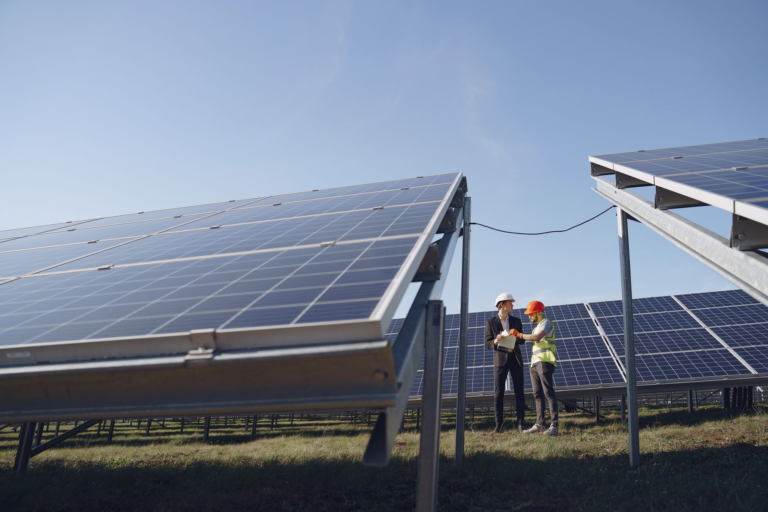
Building a home in the Florida Panhandle is an exciting venture, but it also comes with a unique set of climate‑related challenges. From the sweltering summer heat to the occasional tropical storm, the decisions you make during the design phase can have a lasting impact on comfort, utility bills, and resale value. That’s why a thoughtful approach to new construction energy planning is essential for homeowners in Crestview, Freeport, Panama City, and surrounding areas. By integrating energy efficiency from day one, you can reduce your carbon footprint, qualify for local incentives, and create a living space that feels cool in July and warm in January without constantly reaching for the thermostat.
Find us here:
Solar Cost Calculator – Florida Panhandle Only
* Estimate based on $3.25 per watt for solar installation.
* For Tesla Powerwall 3 Batteries, $15,000 for the first battery, $12,000 for each additional battery.
* Other variations and types of Batteries are available.
Why Energy Planning Matters in Florida
The Gulf Coast climate is characterized by high humidity, intense sunlight, and occasional severe weather. These factors increase the demand for cooling, ventilation, and moisture control, which in turn drives up electricity consumption. When new construction energy planning is ignored, homeowners often face oversized HVAC systems, inadequate insulation, and windows that let in more heat than they block. The result is higher monthly bills and a home that feels uncomfortable during peak summer months. Conversely, a well‑executed plan can lower cooling loads, improve indoor air quality, and extend the lifespan of major mechanical systems.
Environmental Benefits
Florida’s power grid still relies heavily on natural gas and, in some coastal areas, imported electricity. By reducing the overall energy demand of a new home, you lessen the strain on the grid and help cut greenhouse‑gas emissions. Incorporating renewable energy options—such as rooftop solar panels—early in the construction process can also simplify permitting and ensure that the structural design can support the additional load.
Financial Incentives
State and local programs reward homeowners who prioritize efficiency. The Florida Renewable Energy Technologies and Energy Efficiency Act, along with utility‑specific rebates in the Panhandle, can offset a portion of the upfront costs associated with high‑efficiency appliances, advanced insulation, and solar installations. By embedding these considerations into your new construction energy planning, you can take advantage of tax credits, rebates, and even low‑interest financing options that make green building more affordable.
Key Considerations for Florida Homeowners
Before you sign the construction contract, take the time to evaluate the following factors. Each one plays a critical role in shaping a resilient, energy‑smart home that can handle the region’s heat and humidity while keeping operating costs low.
- Site orientation and shading
- Building envelope performance (insulation, air sealing, and window glazing)
- HVAC system sizing and efficiency ratings
- Ventilation strategies, including heat‑recovery ventilators (HRVs)
- Renewable energy potential, especially solar PV
- Local utility rates and demand‑response programs
Integrating these elements early in the design process ensures that the final construction reflects a cohesive energy strategy rather than a series of after‑the‑fact upgrades.
Steps for Effective New Construction Energy Planning
Below is a step‑by‑step roadmap that guides you from the initial concept to the final walkthrough. Following these stages will help you keep the primary keyphrase—new construction energy planning—front and center throughout the project.
- Step 1: Set Energy Goals – Define what you want to achieve, whether it’s a Net‑Zero home, a specific ENERGY STAR rating, or simply a 20 % reduction in cooling costs compared to a typical new build.
- Step 2: Conduct a Site Analysis – Use solar path charts and wind data to determine optimal roof orientation, shading devices, and natural ventilation opportunities.
- Step 3: Choose an Energy‑Efficient Floor Plan – Compact, rectangular footprints reduce surface area exposure, while strategic placement of bedrooms and living spaces can minimize heat gain.
- Step 4: Select High‑Performance Building Materials – Look for insulation with high R‑values, low‑emissivity (Low‑E) windows, and moisture‑resistant sheathing that can handle the Gulf Coast humidity.
- Step 5: Size Mechanical Systems Correctly – Perform a Manual J load calculation to avoid oversizing, which leads to short‑cycling and unnecessary energy waste.
- Step 6: Integrate Renewable Energy Options – Determine the viable solar PV capacity based on roof space, orientation, and local net‑metering policies.
- Step 7: Review Local Incentives – Cross‑check your design with utility rebate programs in Crestview, Freeport, and Panama City to capture any available savings.
Each step should involve collaboration with architects, engineers, and certified energy consultants who understand Florida’s building codes and climate nuances. By treating new construction energy planning as an iterative process, you can refine choices as new information becomes available.
Choosing Efficient Systems for Hot, Humid Climates
When it comes to HVAC, the most common mistake is to select the biggest unit that fits the space, assuming bigger equals better. In reality, a properly sized system that incorporates variable‑speed technology can provide consistent comfort while using far less electricity. Look for units with SEER (Seasonal Energy Efficiency Ratio) ratings of 16 or higher and consider dual‑stage or inverter‑driven compressors that adjust output in real time.
Ventilation is equally important. High humidity can lead to mold growth if moisture isn’t managed effectively. A heat‑recovery ventilator (HRV) or energy‑recovery ventilator (ERV) can exchange stale indoor air with fresh outdoor air while retaining most of the cooling energy, reducing the load on your air conditioner.
Comparing Common HVAC Options
| System Type | Typical SEER Rating | Key Benefits |
|---|---|---|
| Standard Central AC (single‑stage) | 13‑14 | Lower upfront cost, widely available |
| Variable‑speed Central AC | 16‑20 | Better humidity control, quieter operation, lower energy use |
| Mini‑Split (ductless) Heat Pump | 18‑22 | Zoned cooling, ideal for additions, excellent efficiency |
This single table highlights how a modest increase in SEER can translate into significant long‑term savings, especially in a region where cooling accounts for up to 60 % of a home’s electricity consumption.
Incentives and Rebates in Crestview, Freeport, and Panama City
Local utilities such as Gulf Power and the Panhandle Electric Cooperative frequently update their rebate catalogs. Common offers include:
- Up to $1,500 rebate for ENERGY STAR‑rated air conditioners.
- Solar PV installation incentives ranging from $0.30 to $0.50 per watt, depending on system size.
- Insulation upgrades that qualify for a $500 rebate when R‑value thresholds are met.
- Heat‑pump water heaters with rebates of $300–$600.
Eligibility often hinges on proper documentation and verification by a certified contractor. Incorporating these incentives into your new construction energy planning timeline can reduce overall project costs by 10‑15 %.
Cost vs. Savings Analysis
It’s natural to wonder whether the extra expense of high‑efficiency components pays off. A simple payback calculation can clarify the picture. For example, upgrading from a standard 13 SEER unit to a 18 SEER variable‑speed system may add $3,000 to the construction budget. However, the annual energy savings in a typical Panama City home can be around $800, resulting in a payback period of just under four years. After that point, the homeowner enjoys reduced utility bills for the life of the equipment, which is often 15‑20 years.
Similarly, installing a 6 kW solar array might cost $15,000 before incentives. With a combined state rebate and net‑metering credits, the net cost could drop to $9,000. Given an average annual electricity bill of $2,200 for a new Florida home, the system could pay for itself in roughly four years, after which the homeowner generates free electricity.
Common Pitfalls to Avoid
- Skipping a professional Manual J load calculation and relying on rule‑of‑thumb sizing.
- Choosing cheap, low‑R‑value insulation to cut costs, which leads to higher cooling loads.
- Neglecting proper air sealing; even small gaps can increase AC runtime by 10‑15 %.
- Installing solar panels without accounting for future roof repairs or replacements.
- Overlooking local building code updates related to wind resistance and flood elevation.
Each of these missteps can erode the benefits you hoped to capture through new construction energy planning. By staying vigilant and consulting with experienced professionals, you can keep the project on track and avoid costly retrofits later.
Future‑Proofing Your Home
Energy standards and technology evolve quickly. Designing a home that can adapt to future upgrades is a smart long‑term strategy. Consider the following forward‑looking measures:
- Pre‑run conduit for electric vehicle (EV) charging stations in the garage.
- Allocate space in the mechanical room for a larger battery storage system.
- Use modular wiring that can accommodate additional smart‑home sensors and thermostats.
- Select windows with interchangeable low‑E coatings for future climate‑change scenarios.
These provisions may add a modest amount to the construction budget, but they ensure that the home remains compatible with emerging technologies and regulatory requirements, preserving both comfort and resale value.
Putting It All Together: A Sample Timeline
To illustrate how new construction energy planning can be woven into a typical building schedule, here’s a high‑level timeline that aligns design, permitting, construction, and post‑occupancy phases.
- Month 1–2: Goal setting, site analysis, and selection of an energy‑focused architect.
- Month 3: Preliminary design review, including orientation, envelope, and HVAC sizing.
- Month 4: Energy modeling and refinement of insulation, window, and solar options.
- Month 5: Submit plans to the county for permitting; apply for utility rebates.
- Month 6–9: Construction of foundation, framing, and envelope; install insulation and high‑performance windows.
- Month 10: Rough‑in of HVAC, electrical, and plumbing; verify equipment sizing.
- Month 11: Install solar racking, EV charging conduit, and any battery storage provisions.
- Month 12: Final inspections, commissioning of HVAC and ventilation systems, and performance testing.
- Post‑move‑in (Month 13+): Monitor utility data, fine‑tune thermostat schedules, and claim any remaining rebates.
