



Introduction
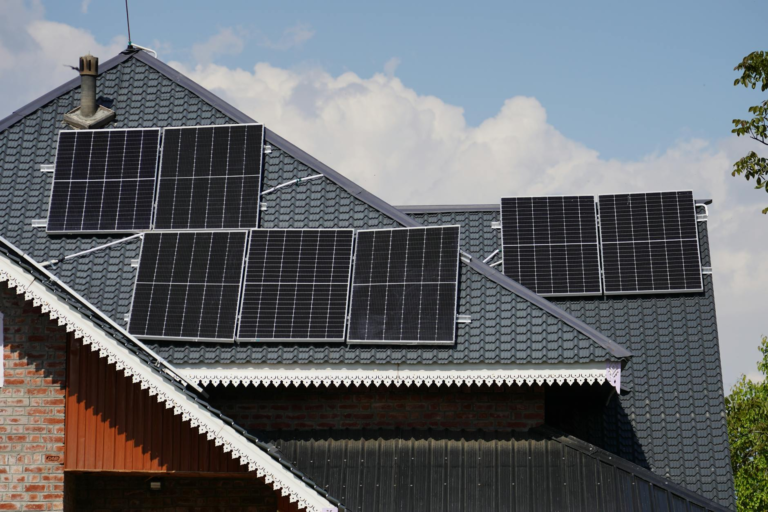
When two families move into homes that look almost identical—same square footage, matching rooflines, and even neighboring lots—they often expect their solar installations to perform alike. Yet, in places like Pensacola Beach or Navarre, owners frequently discover different solar results same homes can generate. The discrepancy isn’t a sign of faulty equipment; it’s the outcome of a complex web of variables that most homeowners never see. From subtle differences in roof orientation to micro‑climate quirks that change temperature by a few degrees, each factor nudges the system’s efficiency up or down. Understanding these hidden influences helps you set realistic expectations, fine‑tune your design, and ultimately squeeze the most kilowatt‑hours out of every panel.
Find us here:
Solar Cost Calculator – Florida Panhandle Only
* Estimate based on $3.25 per watt for solar installation.
* For Tesla Powerwall 3 Batteries, $15,000 for the first battery, $12,000 for each additional battery.
* Other variations and types of Batteries are available.
Orientation and Roof Pitch
The most obvious driver of solar performance is the direction a roof faces. A south‑facing roof in the Northern Hemisphere captures the most direct sunlight throughout the day, while east‑ or west‑facing surfaces receive strong but shorter bursts of morning or evening sun. Even a 15‑degree shift in azimuth can translate into a 5‑10 % variance in annual energy production. Roof pitch compounds this effect: steeper angles may reduce the amount of sunlight hitting the panels during the low‑sun winter months, whereas a flatter roof can increase the angle of incidence, especially in the summer. When two homes appear identical from the street, a slight difference in how the roof was built—perhaps a 20‑degree pitch on one and a 22‑degree pitch on the other—can be enough to create different solar results same homes experience.
How the Sun’s Path Impacts Output
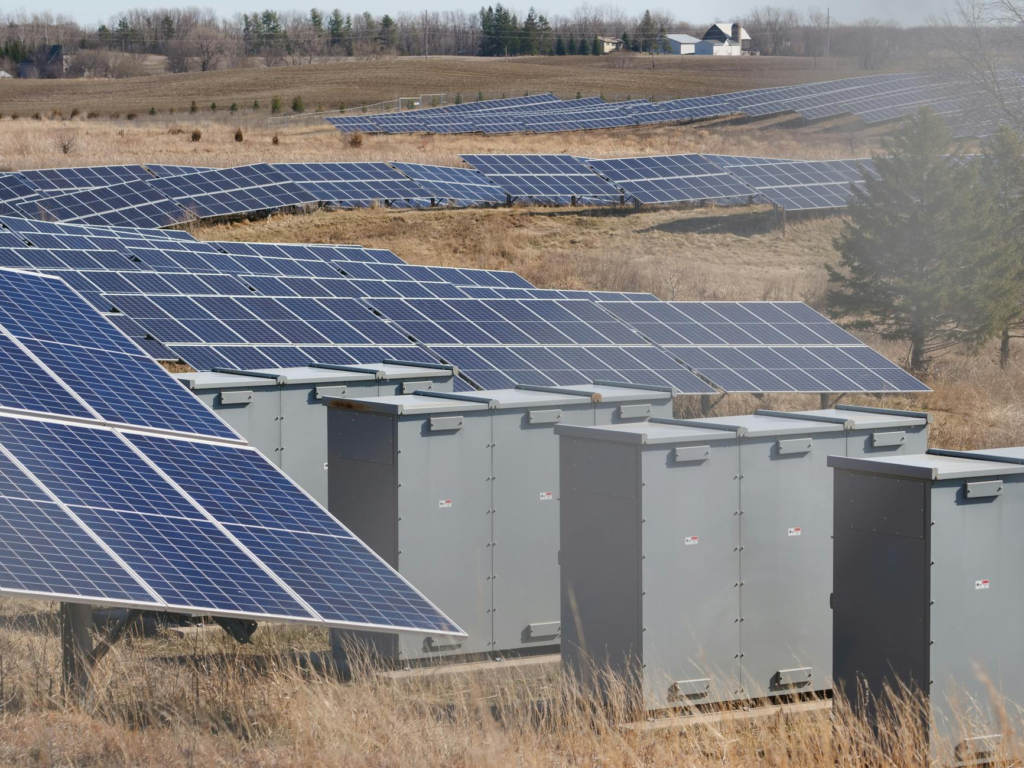
Solar geometry isn’t static; the sun’s trajectory changes with the seasons. In winter, the sun sits lower in the sky, so panels need a tilt that matches that low angle to harvest maximum light. In summer, a shallower tilt is preferable. Modern solar designers use software to model these seasonal shifts, but when a homeowner simply follows a “one‑size‑fits‑all” rule, the system may be under‑optimized. That’s why two homes with the same roof size can still see different solar results same homes when one has been angled for year‑round performance and the other has not.
Shading and Obstructions
Even the slightest shade can dramatically lower a panel’s output. A nearby palm tree, a new construction crane, or a rooftop air‑conditioning unit that casts a moving shadow across the array will reduce the amount of light each cell receives. Because most residential systems are wired in series, a single shaded panel can drag down the current of the entire string unless micro‑inverters or power optimizers are used. Two houses that look the same from the road may have different tree lines, differing fence heights, or distinct attic equipment layouts, leading to different solar results same homes generate over the year.
- Tree growth over time – a mature oak can shade panels that were once fully exposed.
- Seasonal foliage – deciduous trees block summer sun but allow winter light.
- Nearby structures – new sheds, decks, or neighbor’s extensions can cast shadows.
- Roof‑mounted equipment – vents, skylights, and AC units create permanent shade patches.
Roof Material and Temperature Effects
Solar panels are most efficient when they stay cool. Darker roofing materials, such as asphalt shingles or metal painted in deep colors, absorb more heat and raise the temperature of the panels mounted on them. Every degree Celsius above the optimal temperature can shave off roughly 0.5 % of a panel’s efficiency. Conversely, lighter‑colored or reflective roofs keep the array cooler, allowing it to produce more electricity. If two neighboring homes have roofs made of different materials—one with a reflective metal roof and the other with traditional dark shingles—they will experience different solar results same homes despite having identical panel layouts.
Electrical Components and Inverter Sizing
The inverter is the heart of a solar system, converting the direct current (DC) produced by the panels into alternating current (AC) usable by household appliances. An inverter that is undersized relative to the panel array will clip the peak power, wasting potential energy. Conversely, an oversized inverter may operate at a lower efficiency point, also reducing overall yield. Additionally, the choice between string inverters, micro‑inverters, or power optimizers influences how shading or mismatched panel performance is managed. When two homes install the same number of panels but select different inverter configurations, they can see different solar results same homes produce.
Local Micro‑climate Variations
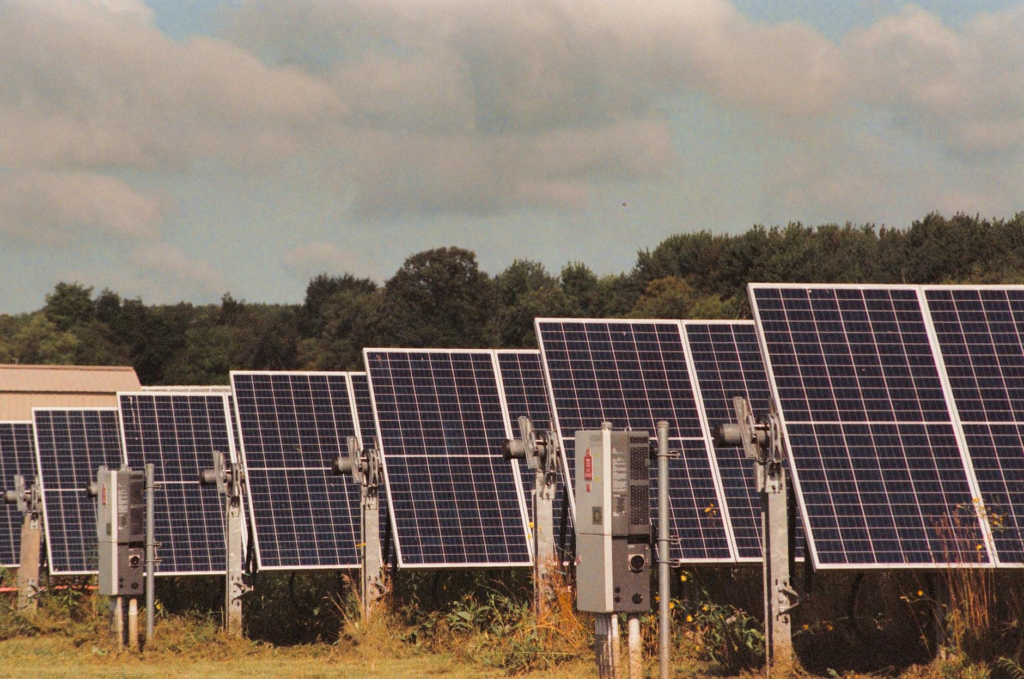
Even within a single neighborhood, micro‑climate differences can affect solar output. Proximity to the Gulf of Mexico means that sea breezes, humidity levels, and fog patterns can vary block‑by‑block. A house situated a few feet higher on a dune may receive clearer, drier air and thus more sunlight than a home nestled lower where mist lingers longer in the morning. These subtle atmospheric variations, combined with local wind patterns that can cool panels, contribute to the phenomenon of different solar results same homes experiencing distinct yearly generation totals.
Panels are designed to be low‑maintenance, but dust, bird droppings, and salt spray (especially in coastal areas like Pensacola Beach) can accumulate on the glass surface. A dirty panel can lose up to 7 % of its efficiency. Homeowners who regularly clean their arrays—whether by gentle hosing or professional services—maintain higher production levels than those who neglect cleaning. Over a decade, this maintenance gap can translate into a noticeable difference in total kilowatt‑hours, reinforcing why different solar results same homes can arise even when the hardware is identical.
Financing and System Design Choices
Financial incentives, such as state rebates or utility net‑metering rates, sometimes dictate system size. A homeowner aiming to maximize tax credits may opt for a slightly larger array than a neighbor who prefers a modest, cost‑effective installation. Additionally, decisions about battery storage, panel orientation adjustments, or the inclusion of a solar tracker can all shift the performance curve. These strategic choices, while financially driven, directly affect the amount of electricity each system generates, leading to different solar results same homes despite comparable footprints.
Key Variables at a Glance
| Variable | Impact on Output |
|---|---|
| Roof orientation (azimuth) | 5‑10 % annual variation |
| Roof pitch (tilt angle) | Up to 8 % seasonal difference |
| Shading (trees, structures) | Can reduce a string’s output by 20‑30 % |
| Roof material/color | Temperature‑related loss of 0.5 % per °C |
| Inverter type & size | Clipping or efficiency loss of 2‑5 % |
| Micro‑climate (wind, humidity) | 1‑3 % variation |
| Maintenance (cleaning) | Up to 7 % loss if neglected |
How to Diagnose Differences in Your Home
If you suspect your solar system isn’t performing as expected, start with a data review. Most modern inverters offer a web portal showing daily, monthly, and yearly production. Compare these numbers against the system’s estimated output, which accounts for location, orientation, and size. Next, conduct a physical inspection: look for new shade sources, check panel cleanliness, and verify that all wiring connections are secure. Using a solar pathfinder or a smartphone app can help you visualize sun angles throughout the year. Finally, consult a qualified installer to run a performance audit—often they’ll measure voltage and current at each string to pinpoint under‑performing panels. By systematically addressing each variable, you can often close the gap that leads to different solar results same homes and bring your system back to its optimal output.
In the end, solar energy is a powerful tool for reducing electricity costs and carbon footprints, but it’s not a one‑size‑fits‑all solution. Even homes that look identical can produce markedly different amounts of power because of orientation, shading, roof material, micro‑climate, and maintenance practices. Recognizing and addressing these hidden variables ensures you get the most out of every panel, turning the promise of clean energy into a reliable reality.
