



Introduction
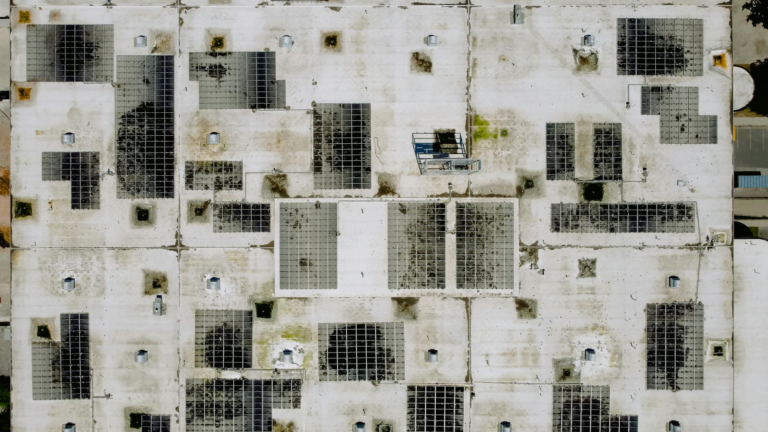
When homeowners in Tallahassee and Crestview decide to invest in solar power, they often picture clean energy, lower utility bills, and a sleek array of panels soaking up the Florida sunshine. Yet, a hidden factor can silently undermine those expectations: rooftop obstacles solar efficiency. Elements such as vent stacks, chimneys, and skylights may seem minor, but they can cast shadows, create heat pockets, and disrupt the optimal layout of a solar system. Understanding how these structures interfere with sunlight exposure helps you make informed decisions during the planning stage, ensuring that every watt of generated power counts. In this article we’ll explore the most common rooftop obstacles, explain the physics behind their impact, and provide practical strategies to preserve the performance of your solar installation.
Find us here:
Solar Cost Calculator – Florida Panhandle Only
* Estimate based on $3.25 per watt for solar installation.
* For Tesla Powerwall 3 Batteries, $15,000 for the first battery, $12,000 for each additional battery.
* Other variations and types of Batteries are available.
Common Rooftop Obstacles
Vents and Exhaust Fans
Vent stacks for bathroom fans, kitchen hoods, and attic exhausts are essential for proper airflow, but they also protrude above the roof surface. Even a small vent can cast a narrow shadow that moves across the panel array throughout the day, especially during the low‑angle winter sun. Because solar panels operate most efficiently when fully illuminated, any intermittent shading caused by vents reduces the overall energy yield. Moreover, the metal housing around vents can heat up and radiate warmth onto nearby panels, slightly raising their operating temperature and further decreasing efficiency.
Chimneys and Flues
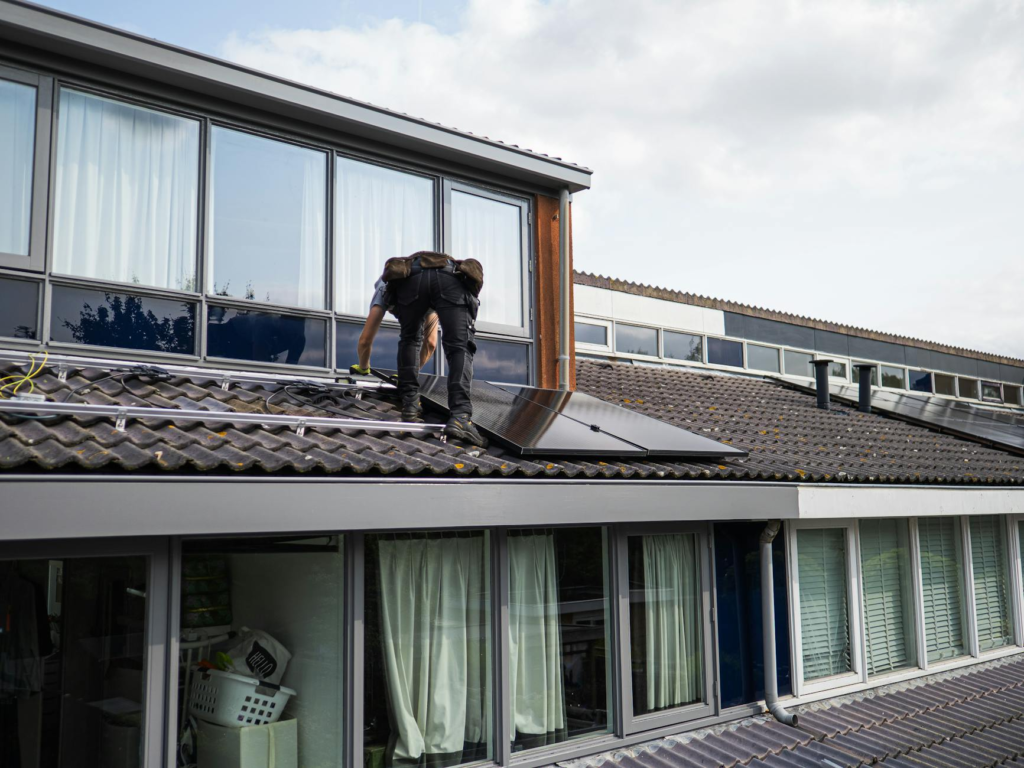
Chimneys are a classic rooftop feature in many homes across the Gulf Coast, providing a vital path for smoke and gases. Their height and often rectangular cross‑section make them prime candidates for shading panels, particularly on the side of the house that receives the most sun. In addition to direct shading, the dark surfaces of brick or concrete chimneys absorb heat and can create localized hot spots on adjacent panels. This temperature rise can lower the voltage output of the affected cells, subtly but consistently dragging down the system’s overall performance.
Skylights and Dormers
Skylights and dormer windows add natural light to interior spaces, yet they also interrupt the continuity of a solar array. Their glass surfaces reflect sunlight, causing glare that can reduce the amount of direct radiation reaching nearby panels. When installed near the edge of a roof, skylights may also cast long shadows during the early morning or late afternoon, cutting off valuable peak‑sun hours. The framing around these openings can further limit the space available for panel placement, forcing designers to compromise on the ideal orientation and tilt.
- Vent stacks and exhaust fans
- Chimneys and flues
- Skylights and dormer windows
- Roof‑mounted air conditioning units
- Satellite dishes and antennae
Each of these obstacles introduces a unique challenge that can diminish rooftop obstacles solar efficiency if not addressed early in the design process. By cataloguing every protrusion on your roof, you give your solar contractor a clear picture of potential shading zones, allowing them to model the system accurately and propose solutions that keep energy loss to a minimum.
How Obstacles Reduce Solar Efficiency
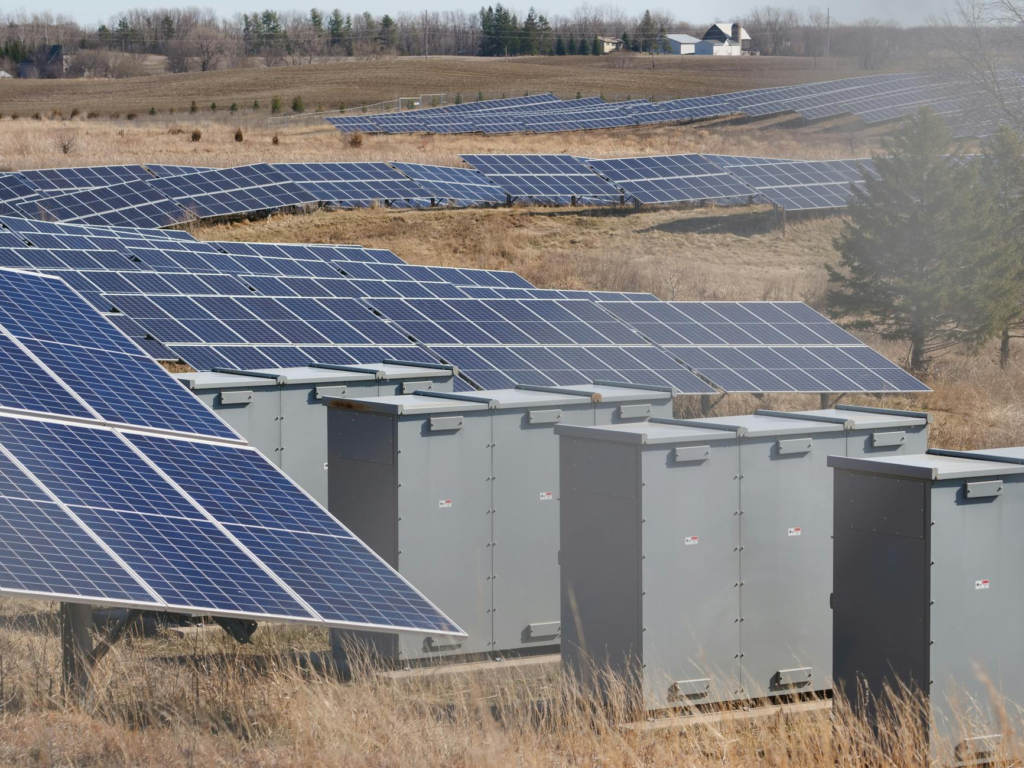
The performance of a photovoltaic (PV) system hinges on two fundamental principles: maximum sunlight exposure and optimal operating temperature. Rooftop obstacles interfere with both, leading to measurable reductions in output. When a panel is partially shaded, the affected cells can act as a bottleneck, limiting the current flow of the entire string unless bypass diodes are present. Even a small shadow covering just 5% of a panel can cause a loss of up to 30% in that panel’s power production, a phenomenon known as the “shading effect.”
Shading and Direct Loss
Shading from vents, chimneys, or skylights creates a moving pattern of light and dark across the array as the sun travels. This dynamic shading not only reduces the instantaneous power output but also forces the inverter to operate below its peak efficiency. In micro‑inverter or power‑optimiser systems, the impact can be mitigated, yet the overall energy harvest still suffers because the shaded panel’s voltage drops, pulling down the string’s performance.
Reflected Heat and Temperature Rise
Beyond direct shading, many rooftop obstacles absorb heat and radiate it onto nearby panels. Elevated panel temperature decreases the voltage output, following the temperature coefficient rating of most silicon cells (approximately –0.5% per degree Celsius). A chimney that reaches 70 °C on a hot summer day can raise the temperature of adjacent panels by several degrees, shaving off a noticeable portion of daily energy generation, especially during the peak afternoon period when the sun is strongest.
Assessing Your Roof Before Installation
Before any solar equipment arrives on site, a thorough roof assessment is essential. Professional installers use shading analysis tools—such as solar pathfinders or drone‑based LiDAR scans—to map the sun’s trajectory over the course of the year and pinpoint where obstacles cast shadows. Homeowners can also perform a simple visual audit: walk the roof (or view it from a ladder) and note the location, height, and material of each vent, chimney, and skylight. Documenting these details helps the design team create a layout that avoids the most problematic zones.
- Identify every protrusion on the roof surface.
- Measure the height and width of each obstacle.
- Record the orientation of the roof (north‑south, east‑west).
- Use shading analysis software to model sun angles.
- Discuss potential adjustments with your solar contractor.
By integrating this data early, you can significantly improve rooftop obstacles solar efficiency, as the system can be positioned to capture the maximum possible sunlight while respecting the constraints imposed by existing structures.
Design Strategies to Mitigate Impact
When obstacles cannot be removed—because they are essential to the home’s function—designers employ several tactics to preserve system performance. Relocating panels to an adjacent, unobstructed portion of the roof, using higher‑efficiency cells that produce more power per square foot, or installing micro‑inverters that isolate each panel’s output are common approaches. In some cases, mounting panels on a tilted rack that elevates them above the obstacle can eliminate shading altogether, though this adds cost and may require additional structural support.
- Shift the array to the opposite roof slope if feasible.
- Use power optimisers or micro‑inverters to limit shading losses.
- Employ higher‑efficiency monocrystalline panels for limited space.
- Install rack systems that raise panels above vent stacks.
- Consider adding reflective film to skylight glass to reduce glare.
Each of these strategies balances cost against performance, but the long‑term gains in rooftop obstacles solar efficiency often justify the upfront investment, especially in sunny markets like Tallahassee where every extra kilowatt‑hour translates into significant savings.
Real‑World Example: Tallahassee & Crestview Homes
In a recent residential project in Tallahassee, a homeowner’s roof featured two large vent stacks and a central chimney. Initial shading analysis predicted a 12% loss in potential energy production due to these obstacles. By repositioning the array to the opposite slope and incorporating micro‑inverters, the installer reduced the projected loss to just 3%. A similar case in Crestview involved a skylight that originally shaded the southern edge of the array during the late afternoon. Adding a low‑profile tilt rack lifted the panels 8 inches above the skylight, restoring 95% of the expected output. These examples illustrate how proactive planning can dramatically improve rooftop obstacles solar efficiency.
Choosing the Right Solar Contractor
Not all installers handle obstacle analysis with the same level of detail. Look for contractors who provide a comprehensive shading report, use industry‑standard simulation software, and are willing to discuss design modifications openly. Certifications such as NABCEP (North American Board of Certified Energy Practitioners) indicate a commitment to best practices, including the careful consideration of rooftop obstacles that affect solar efficiency. A transparent contractor will walk you through the trade‑offs between cost, aesthetics, and performance, ensuring you receive a system that meets your energy goals.
Maintenance Tips to Preserve Efficiency
After installation, routine maintenance helps maintain the gains achieved during design. Keep vent caps, chimney crowns, and skylight frames clean of debris, as accumulated dust can increase heat absorption. Periodically inspect the mounting hardware to ensure panels remain properly aligned and are not sagging into the shadow of an expanding obstacle. If you add new rooftop features in the future—such as a satellite dish—re‑run a shading analysis to confirm that the system’s performance remains optimal.
| Obstacle Type | Typical Shade Loss | Mitigation Strategy |
|---|---|---|
| Vent Stack | 5‑10 % per panel | Relocate panels; use micro‑inverters |
| Chimney | 8‑12 % per panel | Shift array; raise panels on rack |
| Skylight | 4‑9 % during peak hours | Elevate panels; add reflective film |
Frequently Asked Questions
- Can I remove vents or chimneys to improve efficiency? Generally not advisable, as they serve critical safety and ventilation functions.
- Do micro‑inverters eliminate shading losses? They reduce the impact but do not fully eliminate it; proper placement remains key.
- Will a roof extension affect my system? Any new structure should be evaluated for shading before installation.
