



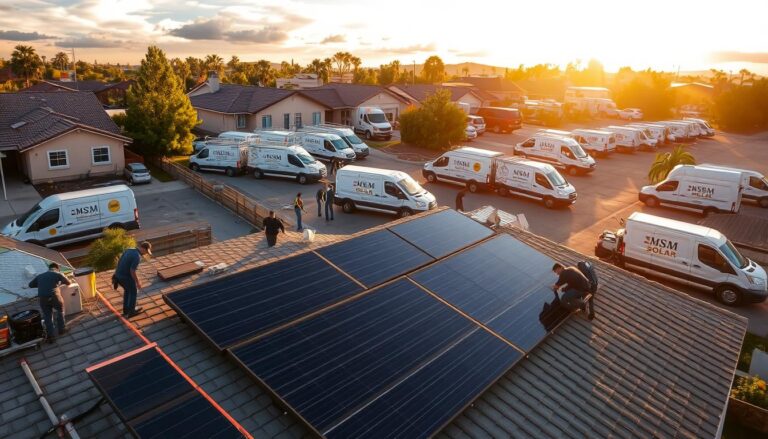
When it comes to solar in the Florida Panhandle, one of the biggest decisions homeowners face is ground-mount vs roof-mount systems. While roof installs are more common, ground-mount arrays can be a better fit in areas with sandy soils, HOA restrictions, or high-wind exposure. In this guide, we’ll explore the unique considerations for ground-mount solar in the Florida Panhandle, including helical piles, trenching, HOA sightlines, and lightning protection.
Also Read: Coastal Salt Spray & Corrosion: How to Protect Solar Near the Beach (30A, PCB, Destin)
Find us here:
Solar Cost Calculator – Florida Panhandle Only
* Estimate based on $3.25 per watt for solar installation.
* For Tesla Powerwall 3 Batteries, $15,000 for the first battery, $12,000 for each additional battery.
* Other variations and types of Batteries are available.
Roof-Mount Solar: The Standard Choice
Most homeowners in Escambia, Santa Rosa, Okaloosa, Walton, and Bay Counties go with roof-mount solar because:
- Lower installation cost (no extra land prep).
- Direct wiring into the home’s breaker panel.
- Maximises yard space for other uses.
You might also want to read: Will Solar Panels Damage My Roof? Facts vs Myths
But roof-mount systems also face challenges:
- High wind zones (especially near the Gulf) require code-compliant racking and hurricane-rated fasteners.
- Roof condition, if your roof is nearing replacement, solar can add complexity.
- Orientation limits, you’re stuck with the roof’s pitch and direction.
Ground-Mount Solar: When It Makes Sense
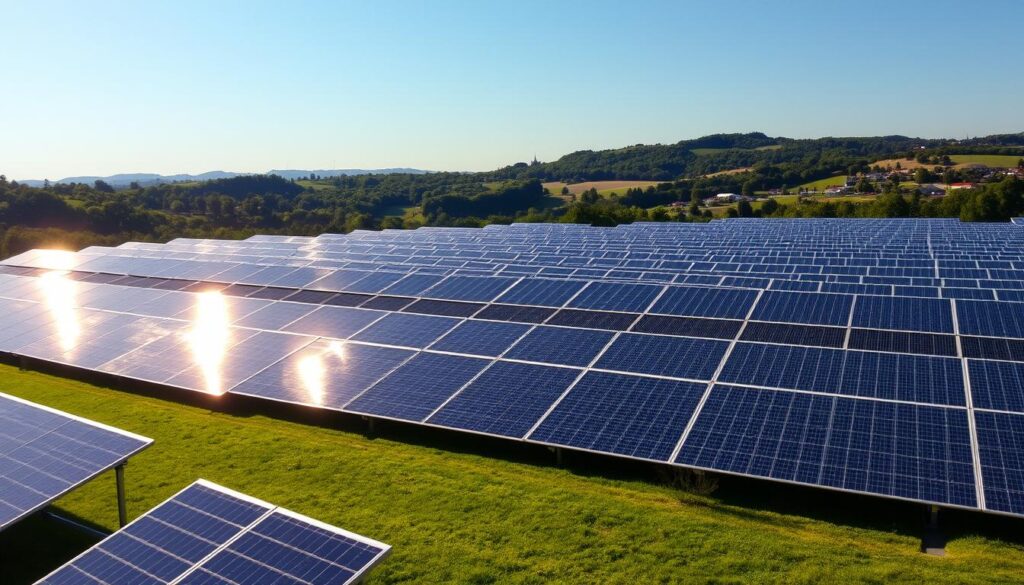
A ground-mount array is installed on open land, tilted for maximum sun exposure. Benefits include:
- Optimal tilt and orientation (maximising efficiency).
- Easier maintenance, panels can be cleaned and serviced without ladders.
- Scalability, perfect for larger arrays that don’t fit on the roof.
Drawbacks include higher upfront costs due to site work and wiring. But in the Panhandle, they solve key problems.
Wind Zones and Structural Considerations
The Panhandle sits in hurricane-prone wind zones. Ground-mount systems often use helical piles (screw-like anchors drilled deep into sandy soil) instead of concrete footings. These provide:
- Better pullout resistance in sandy soils.
- Faster installation with less curing time.
- Resilience in 140+ mph wind zones.
Roof-mount systems rely on hurricane-rated lag bolts and racking, but ground-mount systems can sometimes exceed wind resistance standards when designed properly.
Trenching and Electrical Runs
Ground mounts require trenching from the array to the home’s electrical panel. In the Panhandle:
- Sandy soil makes trenching easier, but
- Long runs increase costs ($10–$20/ft typical).
- Conduits must be buried to code depth (18–24 inches).
If your pump house, barn, or detached garage needs power, trenching can be a dual-purpose investment.
HOA Sightlines and Setback Rules
HOAs in coastal counties like Walton and Santa Rosa often restrict what’s visible from the street. Roof mounts are harder to block from view, but ground mounts can be:
- Positioned behind fences or tree lines.
- Installed with setback compliance (often 10–20 ft from property lines).
- Aligned to avoid blocking neighbour sightlines.
Always check HOA Architectural Review Committee (ARC) approval requirements before breaking ground.
Lightning Protection: A Must in the Panhandle
Florida is the lightning capital of the U.S., and the Panhandle is no exception. Ground-mount systems are especially exposed because they’re freestanding metal structures. Best practices include:
- Grounding rods and bonding at each array section.
- Surge protection on inverters.
- Integration with home lightning protection systems.
Roof mounts also need lightning protection, but ground systems may require additional rods due to their location in open spaces.
Costs and Payback
- Roof-mount: $2.25–$2.75 per watt (after tax credit).
- Ground-mount: $2.75–$3.25 per watt due to piles, trenching, and racking.
- Payback in the Panhandle: 7–10 years, depending on array size and county permitting fees.
Key Takeaways
- Roof-mount = lower upfront cost, but limited by roof condition and orientation.
- Ground-mount = higher cost, but better tilt, easier maintenance, and stronger wind solutions with helical piles.
- Consider HOA approvals, trenching costs, and lightning protection before choosing.
Final Word
For many homeowners in Escambia, Okaloosa, Walton, and Bay Counties, the choice between ground-mount vs roof-mount solar in the Florida Panhandle comes down to land availability, HOA rules, and storm resilience. If you’ve got the space, a ground mount may provide more flexibility and long-term durability, especially in Florida’s sandy soil and hurricane-prone climate.
