



When you’re trying to lower utility bills while keeping your home comfortable, the first step is often a home energy audit. This comprehensive assessment helps you pinpoint where heat escapes, where electricity is wasted, and which upgrades will deliver the best return on investment. For residents of the Florida Panhandle, where humidity and heat can drive energy consumption through the roof, a thorough audit can be the difference between a modest bill and a costly surprise. In this article we’ll walk you through exactly what happens during an inspection, why it matters for your climate, and how to turn the findings into actionable savings.
Find us here:
Solar Cost Calculator – Florida Panhandle Only
* Estimate based on $3.25 per watt for solar installation.
* For Tesla Powerwall 3 Batteries, $15,000 for the first battery, $12,000 for each additional battery.
* Other variations and types of Batteries are available.
What Is a Home Energy Audit?
A home energy audit is a systematic evaluation of a building’s energy performance conducted by a trained professional. The auditor uses specialized tools—such as blower doors, infrared cameras, and duct testing equipment—to measure air leakage, insulation levels, and the efficiency of heating, cooling, and ventilation systems. The goal is to create a detailed report that highlights problem areas, quantifies potential savings, and recommends specific upgrades or behavioral changes. Unlike a quick visual inspection, a proper audit collects data that can be compared over time, ensuring that any improvements you make are both effective and cost‑efficient.

Why Florida Panhandle Homeowners Need a Home Energy Audit
The Florida Panhandle experiences hot, humid summers and mild winters, which places unique demands on HVAC systems and building envelopes. High humidity can lead to hidden moisture problems, while intense solar gain often results in oversized air‑conditioning units that run longer than necessary. A home energy audit can identify gaps in insulation, poorly sealed windows, and ductwork that leaks conditioned air—issues that are especially costly in this region. By uncovering these hidden losses, homeowners can prioritize upgrades that reduce strain on cooling equipment, improve indoor air quality, and ultimately lower monthly utility expenses.
Preparing for the Audit
- Gather recent utility bills (last 12 months) to provide the auditor with baseline consumption data.
- Make a list of recent home improvements, such as new windows, insulation, or HVAC upgrades.
- Clear access to attic spaces, crawl spaces, and utility rooms so the auditor can move equipment freely.
- Turn off any large appliances that are not in use during the test to avoid skewed readings.
- Ensure pets are secured and children are aware of the professional’s presence for safety.
The Inspection Process Step‑by‑Step
Arrival and Walk‑Through
The auditor begins with a visual walk‑through, noting the age of the home, construction materials, and any obvious signs of energy waste such as drafty doors, cracked foundation walls, or outdated lighting. This initial observation helps the professional decide where to focus more detailed testing.
Blower Door Test
A blower door—a powerful fan installed in an exterior doorway—creates a pressure difference between the inside and outside of the house. By measuring the airflow required to maintain that pressure, the auditor quantifies the total air leakage rate in cubic feet per minute (CFM). This data reveals how much conditioned air is escaping and where the most significant leaks are located.
Thermographic Scan
Using an infrared camera, the auditor scans walls, ceilings, and the attic to detect temperature differences that indicate insulation gaps, moisture intrusion, or thermal bridges. The camera’s images highlight “hot spots” in winter and “cold spots” in summer, allowing the professional to pinpoint exact locations that need additional insulation or sealing.
Duct Leakage Evaluation
Leaky ducts can waste up to 30 % of heating or cooling energy. The auditor pressurizes the duct system and measures the amount of air that escapes through seams, connections, and unsealed registers. This step is crucial in the Florida Panhandle, where long duct runs often pass through unconditioned attics or crawl spaces.
Appliance & Lighting Review
Finally, the auditor inspects major appliances, water heaters, and lighting fixtures. By checking for ENERGY STAR ratings, proper sizing, and operational efficiency, the professional can recommend upgrades that reduce electricity draw without sacrificing performance.
Common Findings and Recommendations
After completing the tests, the auditor compiles a report that typically includes the following recurring issues in the Florida Panhandle:
- Insufficient attic insulation, especially in older homes built before modern code requirements.
- Unsealed or poorly sealed windows and doors, leading to significant heat gain in summer.
- Leaky ductwork that traverses humid crawl spaces, causing both energy loss and potential mold growth.
- Outdated HVAC equipment that operates at reduced efficiency due to age or improper sizing.
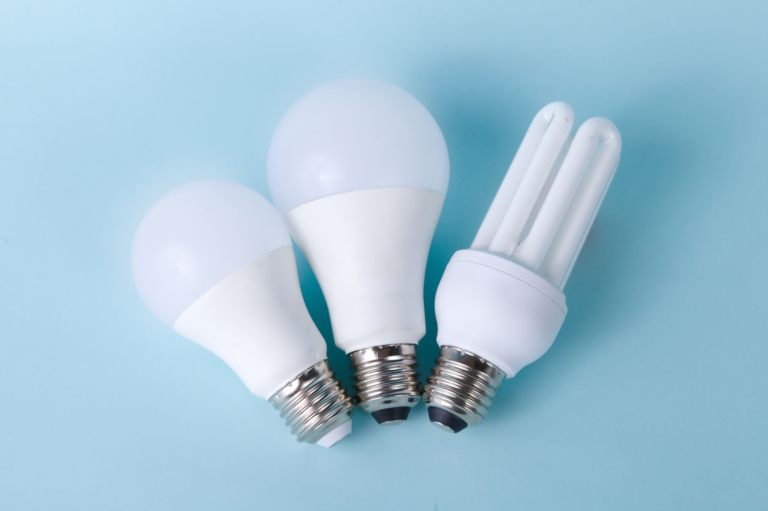
- Lighting that relies heavily on incandescent bulbs rather than LED alternatives.
Recommendations may range from simple, low‑cost fixes—such as adding weatherstripping or swapping out bulbs—to larger investments like adding spray‑foam insulation or upgrading to a high‑efficiency heat pump. Each suggestion is accompanied by an estimated payback period, helping homeowners prioritize actions that deliver the quickest return.
Interpreting the Report
The audit report presents data in a clear, actionable format. Key sections include an overall energy score, a breakdown of air leakage rates, and a cost‑benefit analysis for each recommended improvement. Homeowners should focus first on “quick wins” that have a payback period of less than two years, such as sealing duct leaks or installing programmable thermostats. Larger projects, like adding attic insulation, may have longer payback periods but provide substantial comfort benefits and long‑term savings.
Cost vs. Savings: What to Expect
Understanding the financial impact of a home energy audit helps you make informed decisions. While the audit itself may cost between $200 and $500, the potential savings can far outweigh this initial expense. Below is a simple comparison of typical upgrade costs against estimated annual energy savings for a 2,000‑square‑foot home in the Panhandle.
| Upgrade | Average Cost | Estimated Annual Savings | Payback Period |
|---|---|---|---|
| Attic insulation (R‑30) | $1,200 | $250 | 4.8 years |
| Sealed ductwork | $800 | $180 | 4.4 years |
| LED lighting retrofit | $400 | $120 | 3.3 years |
| High‑efficiency heat pump | $4,500 | $900 | 5.0 years |
These figures illustrate that even modest improvements can lead to noticeable reductions in energy bills. By implementing the audit’s recommendations strategically, homeowners can achieve a comfortable living environment while keeping expenses in check.
Frequently Asked Questions
- How long does a home energy audit take? Typically 2–4 hours, depending on the size of the home and the scope of testing.
- Do I need to be home during the inspection? It’s helpful to be present to answer questions, but many auditors can complete the work independently.
- Can I perform a DIY audit? Basic checks are possible, but a professional audit provides precise measurements and a comprehensive report.
- Are there incentives for upgrades? Florida offers various rebates and tax credits for energy‑efficient improvements; your auditor can help you identify applicable programs.
By understanding the steps involved in a home energy audit, you’ll be better equipped to evaluate the findings, prioritize upgrades, and enjoy a more comfortable, cost‑effective home. Whether you’re looking to lower your monthly bills or simply want to reduce your environmental footprint, the insights gained from a professional audit are an invaluable foundation for smart, sustainable home improvements.
In conclusion, a home energy audit is an essential tool for Florida Panhandle homeowners who want to pinpoint energy waste, make informed upgrade decisions, and achieve lasting savings. Take the first step today by scheduling an audit and start turning data‑driven recommendations into real‑world comfort and cost reductions.
