



Introduction
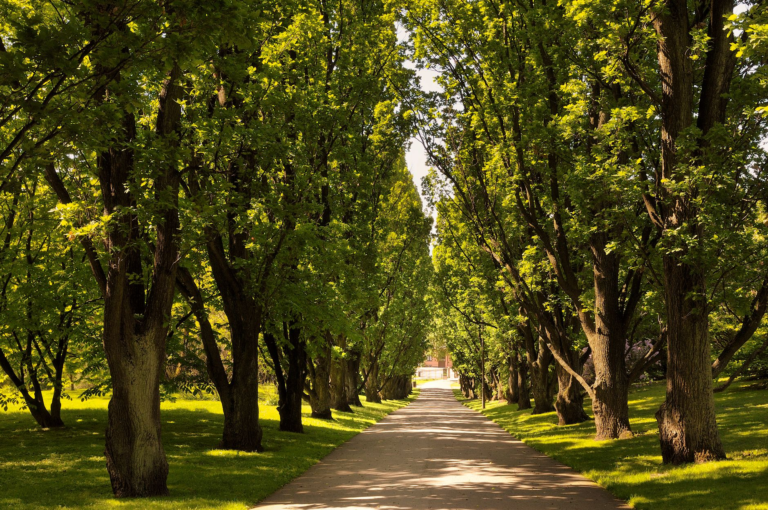
When homeowners in Northwest Florida think about lowering their air‑conditioning bills, the first ideas that come to mind are often high‑efficiency HVAC units, better insulation, or reflective roofing materials. While those upgrades are valuable, there is a natural, cost‑effective solution that many overlook: planting shade trees. By strategically positioning mature trees around a home, you can create a cooler micro‑climate that reduces the need for mechanical cooling. This article explores how shade trees energy savings work, the science behind them, and practical steps you can take to harness nature’s own air‑conditioning system without ever having to touch your roof.
Find us here:
Solar Cost Calculator – Florida Panhandle Only
* Estimate based on $3.25 per watt for solar installation.
* For Tesla Powerwall 3 Batteries, $15,000 for the first battery, $12,000 for each additional battery.
* Other variations and types of Batteries are available.
How Sunlight Affects Home Temperatures
Sunlight is a powerful source of heat, especially in the Gulf Coast region where summer days are long and intense. When solar radiation strikes a roof or exterior walls, the energy is absorbed and re‑radiated as heat, raising indoor temperatures even before the thermostat is turned on. This phenomenon, known as the “solar heat gain factor,” can increase cooling loads by up to 30 % in homes with direct sun exposure. The result is higher energy consumption, larger utility bills, and added wear on cooling equipment. Understanding this heat flow is the first step toward seeing why shade trees can be such an effective, low‑maintenance ally in cutting cooling costs.
The Science Behind Shade Trees and Energy Use
Shade trees influence a home’s thermal profile in several interconnected ways. First, the canopy intercepts sunlight before it reaches the roof, dramatically lowering the amount of radiant heat that is absorbed. Second, trees release moisture through a process called evapotranspiration, which cools the surrounding air much like a natural air‑conditioner. Finally, the shade created by leaves reduces the temperature of the air that eventually circulates around the house, decreasing the temperature differential that the HVAC system must overcome. When these factors combine, the result is a measurable reduction in cooling demand—an essential component of shade trees energy savings.
Radiant Heat vs. Conductive Heat
Radiant heat arrives directly from the sun and is absorbed by surfaces such as shingles, siding, and windows. Conductive heat, on the other hand, moves through materials from the hotter exterior to the cooler interior. By blocking the sun’s rays, a well‑placed canopy reduces both types of heat transfer. Studies show that a dense canopy can cut roof surface temperatures by as much as 45 °F, which translates into a substantial drop in the amount of heat that conducts into the living space.
Evapotranspiration and Cooling
Evapotranspiration is the combined process of water evaporation from soil and transpiration from leaf surfaces. As water changes from liquid to vapor, it absorbs latent heat from the surrounding air, creating a cooling effect similar to the mist from a garden hose on a hot day. Mature trees with broad leaf canopies release significant amounts of moisture, lowering ambient temperatures by several degrees. This natural cooling complements the shade provided by the foliage, amplifying shade trees energy savings throughout the hottest months.
Choosing the Right Trees for Northwest Florida
Not every tree species will deliver the same level of cooling benefit. In Northwest Florida’s humid subtropical climate, the ideal candidates are fast‑growing, drought‑tolerant species with broad, dense canopies. These trees not only provide ample shade but also thrive in the local soil and weather conditions, ensuring long‑term health and effectiveness. Selecting the right species is a critical step toward maximizing shade trees energy savings while minimizing maintenance requirements.
Species That Thrive in the Gulf Coast Climate
- Live Oak (Quercus virginiana) – Large, spreading canopy, excellent for long‑term shade.
- Southern Magnolia (Magnolia grandiflora) – Broad, glossy leaves that provide dense coverage.
- Loblolly Pine (Pinus taeda) – Fast growth, tolerant of sandy soils common near the coast.
- Red Maple (Acer rubrum) – Adaptable to a range of soils, offers vibrant fall color.
- Crape Myrtle (Lagerstroemia indica) – Smaller stature, ideal for front‑yard placement and quick shade.
Growth Rate and Canopy Size
For homeowners seeking near‑term energy benefits, fast‑growing trees such as the Loblolly Pine or Crape Myrtle can begin providing noticeable shade within three to five years. However, slower‑growing giants like the Live Oak develop massive canopies over a decade, delivering the most substantial shade and, consequently, the greatest shade trees energy savings over the long term. When planning your landscape, consider a mix of quick‑acting and long‑term species to enjoy immediate relief while your larger trees mature.
Placement Strategies for Maximum Savings
The location of each tree relative to the house determines how effectively it can reduce cooling loads. Trees should be positioned to block the sun’s most intense angles, which vary by season. In Northwest Florida, the southern and western exposures receive the greatest solar heat during the summer months, making them prime targets for shade. Proper placement not only enhances shade trees energy savings but also protects windows and doors from heat‑induced wear.
- Place trees on the south side of the home to intercept high‑angle summer sun while allowing low‑angle winter sunlight to reach the house for passive heating.
- Plant a row of trees on the west side to shield the home from the late‑afternoon sun, which typically raises indoor temperatures during peak cooling hours.
- Avoid planting directly over windows, as excessive shade can reduce natural daylight and create a dim interior.
- Maintain a distance of at least 10 feet between the trunk and the house foundation to prevent moisture‑related damage.
- Consider the mature spread of the tree; ensure enough space for the canopy to develop without interfering with power lines or sidewalks.
Quantifying Shade Trees Energy Savings
Estimating the monetary impact of strategic tree planting helps homeowners justify the initial investment. While exact savings vary based on tree species, canopy density, and local climate, research from the U.S. Department of Energy provides useful benchmarks. The table below summarizes typical cooling‑cost reductions associated with different levels of canopy coverage around a home.
| Canopy Coverage | Average Cooling Cost Reduction | Estimated Annual Savings (USD) |
|---|---|---|
| 15 % of roof area | 5 % | $75–$120 |
| 30 % of roof area | 10 % | $150–$240 |
| 45 % of roof area | 15 % | $225–$360 |
These figures illustrate that even modest tree coverage can translate into noticeable savings on a typical Northwest Florida utility bill. As the canopy matures and expands, the percentage of cooling cost reduction rises proportionally, reinforcing the long‑term value of shade trees energy savings.
Maintenance Tips to Keep Trees Effective
To sustain the cooling benefits over decades, trees require regular care. Pruning should focus on maintaining a balanced canopy that allows sunlight to filter through while preserving enough leaf mass for shade. Removing dead or diseased branches prevents pest infestations that could compromise tree health. Additionally, mulching around the base helps retain soil moisture, supporting the evapotranspiration process that contributes to shade trees energy savings. A simple annual inspection by a certified arborist can ensure that your trees remain healthy, safe, and effective at reducing cooling loads.
Additional Benefits Beyond Energy Savings
While the primary goal may be to lower cooling costs, shade trees offer a suite of ancillary advantages. They improve air quality by filtering pollutants, provide habitat for local wildlife, and enhance property aesthetics, potentially increasing resale value. Moreover, mature trees can act as windbreaks during cooler months, reducing heating expenses—a bonus that complements the summer‑time shade trees energy savings strategy. Investing in a thoughtful landscape design therefore yields both environmental and financial returns.
Conclusion
Planting the right trees in the right places offers a natural, cost‑effective way to combat high cooling bills in Northwest Florida. By understanding how shade trees energy savings work—from blocking radiant heat to harnessing evapotranspiration—homeowners can make informed landscaping choices that pay dividends year after year. With careful species selection, strategic placement, and routine maintenance, you can enjoy a cooler home, lower utility costs, and a greener, more beautiful property—all without ever having to touch your roof.
