



Introduction
Solar energy has become a cornerstone of the renewable‑power movement, especially in sunny regions like the Florida Panhandle. Homeowners and businesses invest heavily in photovoltaic (PV) arrays, expecting clean, unobstructed sunlight to translate directly into higher electricity production. Yet, the performance of a solar installation can be dramatically altered by something as simple—and as inevitable—as rain. While many assume that rainfall automatically takes care of dust and grime, the reality is nuanced. Understanding how rain cleaning solar panels works, and recognizing the situations where it falls short, can help you protect your investment, maintain peak efficiency, and avoid costly repairs. In this article we explore the science behind rain cleaning solar panels, examine the unique weather patterns of the Panhandle, and provide practical guidance for when natural cleaning isn’t enough.
Find us here:
Solar Cost Calculator – Florida Panhandle Only
* Estimate based on $3.25 per watt for solar installation.
* For Tesla Powerwall 3 Batteries, $15,000 for the first battery, $12,000 for each additional battery.
* Other variations and types of Batteries are available.
How Rain Works as a Natural Cleaner
Droplet Impact and Shear Forces
When a rainstorm arrives, thousands of tiny water droplets strike the surface of each solar module at speeds ranging from a gentle drizzle to high‑velocity downpours. Each impact generates shear forces that dislodge loosely attached particles such as dust, sand, and fine ash. The kinetic energy of a droplet is proportional to its mass and velocity; larger, faster droplets create more powerful micro‑jets that can sweep contaminants away. This mechanical action is the primary reason why rain cleaning solar panels is often effective after a heavy shower—especially when the rain is steady and the droplets are large enough to overcome the adhesive forces binding the dirt to the glass.
Surface Tension and Self‑Cleaning Effect
Beyond sheer force, water’s surface tension plays a crucial role in the self‑cleaning effect. As droplets spread across the anti‑reflective coating on most modern panels, they form a thin film that can lift particles away from the glass. This phenomenon, known as the “Lotus effect,” relies on the low surface energy of the coating, allowing water to bead and roll, carrying debris with it. When rain cleaning solar panels, the combination of shear forces and surface tension can remove up to 90 % of light‑blocking contaminants in a single event, provided the rain is sufficiently clean and the droplets are not overly diluted by pollutants themselves.
Florida Panhandle Rainfall Patterns
The Florida Panhandle experiences a distinct rainfall regime that directly influences how often rain cleaning solar panels occurs naturally. Summer months bring frequent thunderstorms, with intense downpours that can deliver upwards of two inches of rain in a single event. These high‑intensity storms produce large droplets that excel at dislodging stubborn dust, making summer the most effective season for natural cleaning. In contrast, the winter months are characterized by milder, more sporadic rain, often consisting of light drizzles that lack the kinetic energy needed for thorough cleaning. Understanding this seasonal rhythm helps system owners anticipate periods when supplemental cleaning may be required to maintain optimal output.
Seasonal Variations
During the peak of the hurricane season (June through November), the Panhandle can receive several inches of rain within a short window, creating ideal conditions for rain cleaning solar panels. However, the same storms can also deposit airborne salt and marine aerosols, especially along the Gulf Coast, which may adhere to the panel surface and resist removal by subsequent rain events. Conversely, the dry, cooler months from December to February often see less than half an inch of rain per month, resulting in longer intervals between natural cleaning cycles. Homeowners should track local precipitation data to schedule manual inspections and, if necessary, spot cleaning during these drier periods.
When Rain Isn’t Enough
While rain cleaning solar panels works well under many conditions, there are notable exceptions where natural precipitation fails to restore full panel performance. Heavy accumulations of fine, oily dust—often originating from nearby roadways or industrial activity—can create a thin film that water alone cannot dissolve. Similarly, mineral-rich rain, sometimes referred to as “hard rain,” leaves behind a residue of calcium carbonate or magnesium that actually adds a light haze to the glass. In coastal areas of the Panhandle, salt spray can combine with these mineral deposits, creating a stubborn crust that requires more aggressive cleaning methods.

Stubborn Pollutants
Pollutants that contain organic compounds, such as pollen, bird droppings, and tree sap, are particularly resistant to simple rain cleaning. Their sticky nature allows them to bond tightly with the anti‑reflective coating, reducing the effectiveness of shear forces generated by typical rain showers. When these substances dry, they form a tenacious layer that can cause a measurable drop in panel efficiency—sometimes as much as 5 % to 10 %—until they are manually removed. This is why many solar owners in the Panhandle schedule periodic professional cleanings during the late fall, after the peak pollen season has subsided.
Bird Droppings and Pollen Build‑Up
Birds are attracted to the warm surface of solar panels, especially during cooler mornings. Their droppings contain uric acid, which is highly corrosive and can etch the glass if left unchecked. While a light rain can wash away fresh droppings, older deposits become baked onto the surface, making rain cleaning solar panels ineffective. Pollen, on the other hand, is abundant in the Panhandle during spring. A single heavy pollen day can deposit a layer thick enough to block up to 3 % of incoming sunlight. Because pollen grains are small and lightweight, they often cling to the panel’s micro‑texture, resisting removal by ordinary rainfall.
Maintenance Strategies for Optimal Performance
Given the variability of rain cleaning solar panels in the Florida Panhandle, a proactive maintenance plan is essential. Regular visual inspections—ideally every month—allow owners to spot early signs of buildup before they affect output. When visible debris is detected, a gentle rinse with a soft‑bristled brush and de‑ionized water can augment the natural cleaning process. For panels that experience frequent bird activity or heavy pollen, a quarterly spot‑cleaning schedule often yields the best return on investment, ensuring that the panels stay as close to their original efficiency as possible.
Regular Inspections and Spot Cleaning
During inspections, look for dark streaks, water‑spot patterns, or any discoloration on the glass surface. These are indicators that rain cleaning solar panels may not have removed all contaminants. Using a squeegee with a non‑abrasive blade, combined with a mild, non‑detergent soap solution, can effectively lift stubborn residues without damaging the anti‑reflective coating. It’s important to avoid high‑pressure washers, as they can create micro‑cracks in the tempered glass and compromise the panel’s warranty.
Professional Cleaning Options
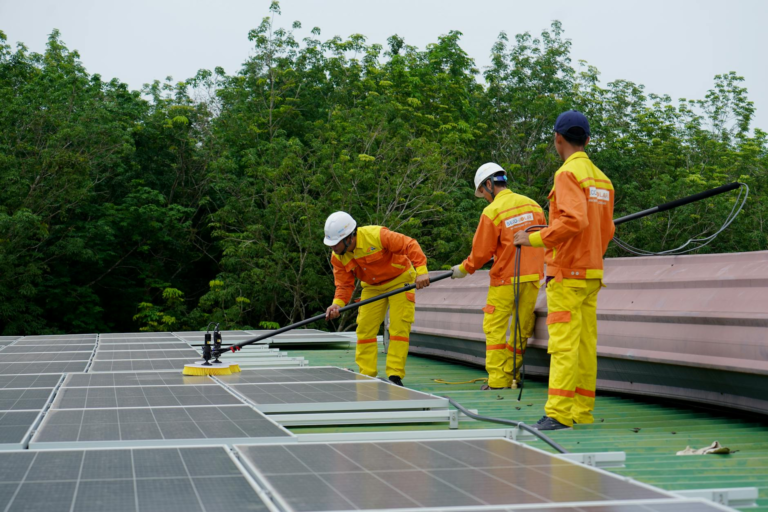
When the buildup becomes extensive—such as after a prolonged dry spell or a severe bird‑dropping incident—engaging a certified solar‑panel cleaning service is advisable. Professionals typically use purified water and soft brushes, sometimes incorporating a low‑foam, biodegradable cleaning agent that safely dissolves organic matter. These services also perform performance testing, comparing pre‑ and post‑cleaning output to quantify the efficiency gains achieved by the cleaning process.
Quick Reference Table
| Average Monthly Rainfall (inches) | Typical Cleaning Frequency Needed |
|---|---|
| 0.2–0.5 | Manual spot cleaning every 1–2 months |
| 0.6–1.2 | Rely on rain, inspect quarterly |
| 1.3–2.5+ | Natural cleaning sufficient, professional clean annually |
Cost‑Benefit Overview
Investing in a systematic approach to rain cleaning solar panels can translate into measurable financial savings. A well‑maintained array typically retains 95 % to 98 % of its original output over a 20‑year lifespan, whereas neglected panels may see a decline of 15 % or more. By aligning cleaning schedules with the Panhandle’s rainfall patterns—leveraging heavy summer storms for natural cleaning and supplementing with targeted spot cleaning during drier months—owners can avoid the higher costs associated with frequent professional services. In many cases, a modest annual budget for occasional professional cleaning yields a net gain of several hundred dollars in energy production, making the effort worthwhile.
Conclusion
Rain is a powerful ally in keeping solar panels clear, but the Florida Panhandle’s unique climate means that rain cleaning solar panels is not always sufficient on its own. By understanding how rainfall intensity, mineral content, and seasonal patterns affect panel cleanliness, and by supplementing natural cleaning with regular inspections and occasional professional services, you can ensure that your solar investment continues to deliver clean, affordable energy for years to come.
