



Why Roof Pitch Matters for Solar Panel Cleaning
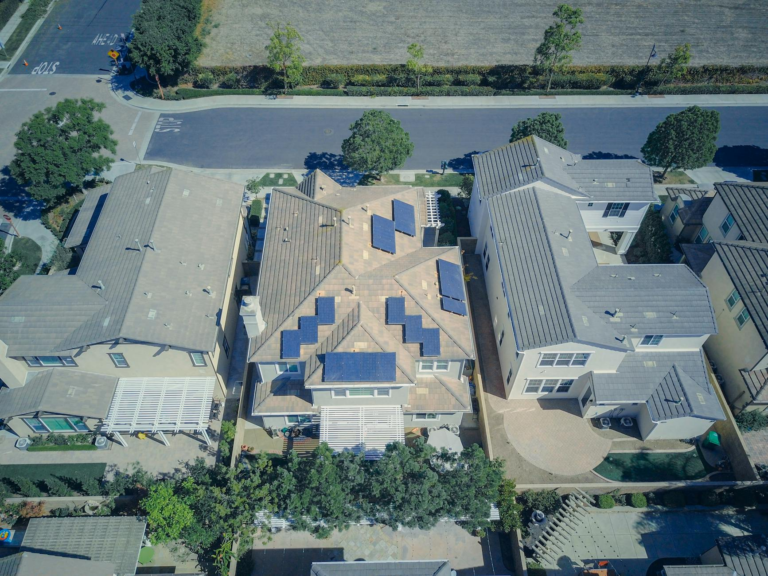
When you install solar panels on a home in Destin or Panama City Beach, the angle of your roof does more than affect energy production—it also determines how effectively natural rain can clean the panels. This phenomenon, often called roof pitch solar cleaning, is a key factor for homeowners who want to maintain high efficiency without relying heavily on manual washing. In this article we’ll explore the science behind rain runoff, the role of roof slope, and practical steps you can take to optimize both power generation and self‑cleaning performance.
Find us here:
Solar Cost Calculator – Florida Panhandle Only
* Estimate based on $3.25 per watt for solar installation.
* For Tesla Powerwall 3 Batteries, $15,000 for the first battery, $12,000 for each additional battery.
* Other variations and types of Batteries are available.
Understanding Roof Pitch and Its Measurement
Roof pitch, also known as roof slope, is expressed as a ratio of vertical rise to horizontal run (for example, 6:12 means the roof rises six inches for every twelve inches of horizontal distance). In the United States, common residential pitches range from low‑slope (2:12) to steep (12:12 or higher). The pitch influences not only how water drains but also the angle at which sunlight strikes the panels, directly affecting both energy capture and natural cleaning.
Typical Roof Pitches in Coastal Florida
Coastal homes in Destin and Panama City Beach often feature moderate pitches (4:12 to 6:12) to balance wind resistance with aesthetic appeal. However, many newer builds adopt steeper angles (8:12 to 10:12) to maximize solar exposure. Understanding where your home falls on this spectrum is the first step toward evaluating roof pitch solar cleaning potential.
How Rain Naturally Cleans Solar Panels
Rainwater is a natural solvent for dust, pollen, sea salt, and bird droppings—common contaminants on coastal solar arrays. When raindrops strike a panel, they spread out, creating a thin film that lifts particles away. The effectiveness of this process depends on three main variables: droplet size, impact velocity, and the angle at which water flows across the panel surface.
On a flat roof, water tends to linger, reducing the shear force needed to dislodge grime. Conversely, a steeper roof encourages faster runoff, increasing the kinetic energy of water as it slides off the panels. This is where roof pitch solar cleaning becomes a decisive factor.
The Interaction Between Roof Pitch and Rain Flow
Imagine two identical solar installations, one on a 3:12 roof and another on a 9:12 roof. During a typical afternoon shower, the low‑slope system receives rain at a shallow angle, allowing water to pool and evaporate slowly. The high‑slope system, however, channels water quickly down the panels, creating a sweeping action that removes more debris per minute. This difference can translate into a 5‑15 % variance in panel cleanliness over a month, directly impacting energy output.
In the Gulf Coast climate, rain events are frequent but often brief. Therefore, maximizing the cleaning power of each drop is essential. Research shows that roof angles between 30° and 45° (approximately 6:12 to 9:12) provide the optimal balance of water speed and contact time, enhancing the self‑cleaning effect without causing excessive runoff that could lead to water damage.
Practical Implications for Homeowners in Destin and Panama City Beach
If you’re evaluating a new solar installation or retrofitting an existing system, consider how your roof’s pitch will influence roof pitch solar cleaning. A steeper roof may reduce the frequency of manual cleaning, but it also demands careful mounting to withstand higher wind uplift. On the other hand, a low‑slope roof might require periodic rinsing, especially after high‑pollen seasons or after a storm that deposits salt spray.
Cost‑Benefit Analysis
- Higher pitch → less labor cost for cleaning, potentially higher energy yield.
- Lower pitch → lower installation hardware cost, but higher maintenance expense.
- Mid‑range pitch (6:12‑8:12) often offers the best compromise in coastal settings.
Choosing the Right Angle for Maximum Cleaning Efficiency
When planning a solar array, work with a qualified installer who can model both solar irradiance and rain runoff. Modern design software can simulate how different pitches affect the cleaning cycle, allowing you to select a tilt that optimizes both power production and natural washing. In many cases, a tilt of 35° (roughly 7:12) emerges as the sweet spot for roof pitch solar cleaning in the Destin‑Panama City Beach corridor.
Maintenance Tips to Complement Natural Cleaning
Even with the best roof pitch, occasional manual cleaning may be necessary. Here are some best practices that work hand‑in‑hand with rain‑driven cleaning:
- Inspect panels after the first heavy rain of the season to assess residual buildup.
- Use a soft, non‑abrasive brush and a mild, pH‑balanced soap if stubborn residue remains.
- Schedule professional cleanings during the dry season to avoid water‑related safety hazards.
- Trim overhanging trees that could drop leaves or sap onto the panels.
Comparative Table of Cleaning Efficiency by Roof Pitch
| Roof Pitch (Ratio) | Typical Angle (°) | Cleaning Efficiency* (%) |
|---|---|---|
| 3:12 | 14° | 68 |
| 6:12 | 26° | 82 |
| 9:12 | 37° | 88 |
*Based on average rain events in Destin and Panama City Beach, measured by the amount of surface debris removed per hour of rainfall.
Frequently Asked Questions About Roof Pitch and Solar Cleaning
Does a steeper roof increase the risk of panel damage?
Steeper roofs can expose panels to higher wind uplift forces. Properly engineered mounting systems mitigate this risk, ensuring that the benefits of enhanced rain cleaning outweigh potential structural concerns.
Can I adjust the pitch after installation?
Adjusting pitch post‑installation is generally impractical. However, many mounting kits allow for a limited range of tilt adjustments (usually ±5°), which can fine‑tune the cleaning angle without major structural changes.
How often should I manually clean panels on a low‑slope roof?
For roofs with a pitch below 4:12, a semi‑annual cleaning schedule is recommended, especially after hurricane season when salt and debris accumulation spikes.
Conclusion
In the sunny coastal markets of Destin and Panama City Beach, the angle of your roof plays a pivotal role in the natural rain‑driven cleaning of solar panels. By understanding and optimizing roof pitch solar cleaning, homeowners can enjoy higher energy yields, lower maintenance costs, and longer‑lasting equipment. Whether you’re building a new home or upgrading an existing system, consider the pitch as a critical element of your solar strategy.
