



Understanding Solar Payback Differences Homes Experience
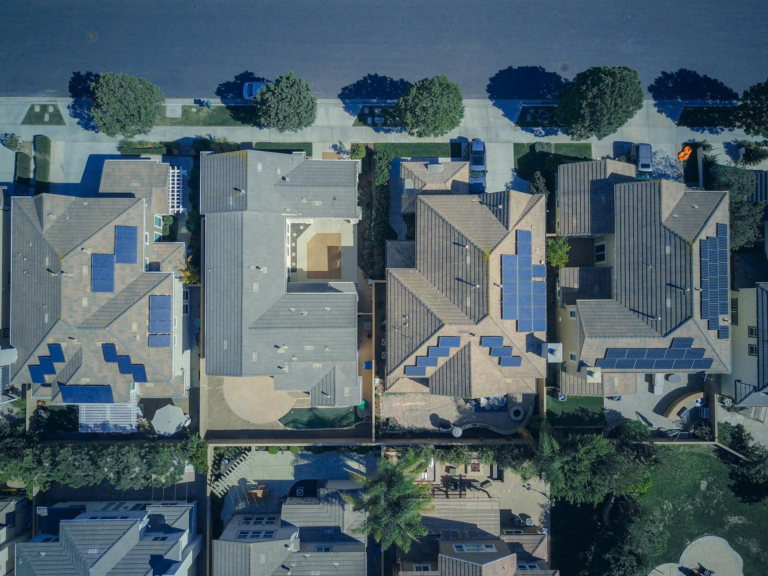
When neighbors in the same Florida Panhandle community install solar panels, it’s common to hear stories about one household seeing a return on investment in just a few years while the next door house waits much longer. Those solar payback differences homes experience are rarely a mystery once you examine the variables that affect energy production and consumption. In this article we’ll explore the key factors—such as home orientation, roof condition, usage habits, and local climate—that shape how quickly a solar system pays for itself. By the end, you’ll have a clear roadmap for assessing your own property, optimizing performance, and making informed decisions that shrink the payback period.
Find us here:
Solar Cost Calculator – Florida Panhandle Only
* Estimate based on $3.25 per watt for solar installation.
* For Tesla Powerwall 3 Batteries, $15,000 for the first battery, $12,000 for each additional battery.
* Other variations and types of Batteries are available.
How Home Orientation Impacts Energy Capture
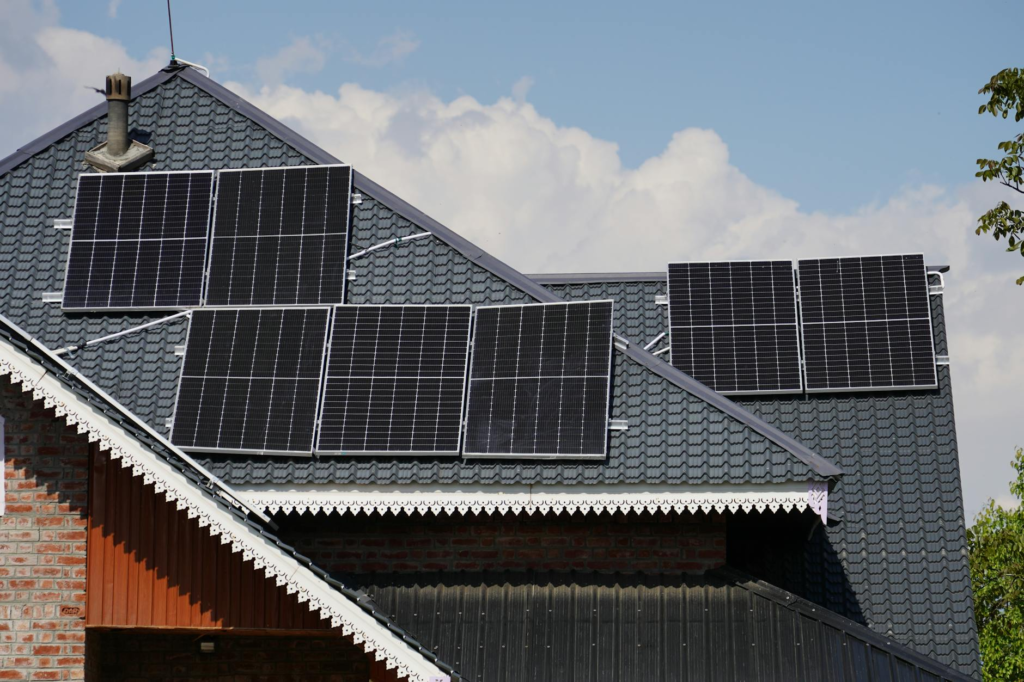
The direction a house faces is one of the most influential elements in determining solar output. In the Panhandle, a south‑facing roof receives the most direct sunlight throughout the day, especially during the high‑sun months of spring and summer. East‑facing roofs capture morning sun, which can be valuable for offsetting early‑day electricity use, while west‑facing roofs harvest afternoon light, aligning well with peak residential demand. North‑facing roofs, on the other hand, often produce significantly less energy, leading to longer payback periods. This orientation factor alone explains why solar payback differences homes see can vary dramatically even within a single cul‑de‑sac.
Orientation Tips for Maximizing Production
- Prioritize south‑facing sections of the roof for the bulk of the array.
- If a roof is split between east and west, distribute panels to balance morning and afternoon generation.
- Consider adding micro‑inverters or power optimizers to mitigate shading impacts on less‑ideal orientations.
Roof Pitch and Structural Suitability
Roof pitch influences the angle at which panels sit relative to the sun’s path. A pitch between 20° and 35° is close to optimal for the latitude of the Florida Panhandle, allowing panels to capture sunlight efficiently without needing costly mounting adjustments. Steeper roofs can cause panels to over‑tilt, reducing winter generation, while very shallow roofs may under‑tilt, diminishing summer output. When a home’s roof pitch deviates from the sweet spot, owners may need to invest in custom racking, which adds to upfront costs and can lengthen the payback timeline. These structural nuances are a core reason behind the solar payback differences homes in the same neighborhood experience.
Assessing Your Roof’s Compatibility
- Measure the roof’s angle using a simple inclinometer or smartphone app.
- Check for structural integrity—any sagging or damage may require repairs before installation.
- Evaluate material compatibility; asphalt shingles, metal, and tile all have different mounting requirements.
Shading: The Silent Payback Killer
Even a few minutes of shade each day can shave off a significant portion of a solar system’s energy output. Tall trees, neighboring structures, and even seasonal foliage can cast shadows that reduce the amount of electricity generated, directly affecting how fast the system recoups its cost. In dense suburban settings, one home might be shaded by a new house across the street while its neighbor enjoys an unobstructed view of the sky, leading to noticeable solar payback differences homes see.
Mitigation Strategies for Shading
- Trim overhanging branches before installation.
- Choose micro‑inverters or power optimizers that allow each panel to operate independently.
- Consider a higher‑efficiency panel model that can produce more power in limited sun.
Panel Technology and Efficiency
Not all solar panels are created equal. Monocrystalline modules typically deliver higher efficiency—often 20% or more—compared to polycrystalline or thin‑film alternatives. Higher efficiency means more power per square foot, which is crucial on roofs with limited space. When two homes have similar roof sizes but one uses high‑efficiency panels, the resulting energy production can be dramatically higher, shortening the payback period. This technological choice is another driver of solar payback differences homes experience across the same street.
Choosing the Right Panels for Your Situation
- Assess available roof area; smaller roofs benefit from higher‑efficiency modules.
- Review warranty terms—longer warranties often correlate with higher quality.
- Factor in temperature coefficient; panels that perform well in high heat are ideal for Florida.
System Size Relative to Household Consumption
Installing a system that is too small will never fully offset a home’s electricity use, extending the payback horizon. Conversely, an oversized system may generate excess energy that the utility buys back at a lower rate, which can also delay financial recovery. Accurate load analysis—examining past utility bills, seasonal usage spikes, and future plans like electric vehicle charging—helps size the system appropriately. When neighbors misjudge their needs, the resulting solar payback differences homes can be stark.
Steps to Right‑Size Your Solar Array
- Gather 12 months of electricity bills to calculate average daily consumption.
- Adjust for anticipated changes, such as adding an EV charger or home office.
- Use a reputable solar installer’s simulation tool to match system size to load.
Usage Habits: When You Use Power Matters
Even with identical systems, two households can see different financial outcomes based on when they consume electricity. Running high‑draw appliances like air conditioners, water heaters, or dryers during peak sunlight hours maximizes self‑consumption, reducing reliance on the grid and improving the payback rate. Households that shift heavy loads to the evening—when the panels are idle—may end up buying more electricity, lengthening the payback timeline. These behavioral patterns are a subtle yet powerful contributor to solar payback differences homes experience.
Practical Ways to Align Consumption with Production
- Schedule laundry and dishwasher cycles for mid‑day when panels are at peak output.
- Utilize smart thermostats to pre‑cool homes during sunny periods.
- Consider a home battery to store excess midday energy for evening use.
Maintenance and Degradation Over Time
Solar panels gradually lose efficiency—typically about 0.5% per year. Regular cleaning to remove dust, pollen, and bird droppings can preserve performance, especially in coastal Florida where salt and humidity accelerate soiling. Neglected panels may underperform, extending the time needed to recoup the investment. Homeowners who stay on top of maintenance often enjoy faster payback, highlighting yet another facet of the solar payback differences homes encounter.
Simple Maintenance Checklist
- Inspect panels twice a year for debris.
- Use a soft brush and mild soap solution for cleaning; avoid pressure washers.
- Schedule an annual professional inspection to check wiring and inverter health.
Local Climate Nuances Within the Panhandle
The Florida Panhandle, while generally sunny, experiences micro‑climates influenced by proximity to the Gulf, elevation changes, and urban heat islands. Coastal neighborhoods may see more cloud cover from sea breezes, while inland areas enjoy clearer skies. These subtle climate differences can affect solar irradiance levels, resulting in measurable variations in energy production and thus in payback periods. Recognizing that solar payback differences homes can stem from even small climate shifts helps set realistic expectations.
Financing Options and Their Effect on Payback
The method you use to finance a solar system—cash purchase, loan, lease, or power‑purchase agreement (PPA)—directly impacts the net cash flow and the calculated payback period. A cash purchase eliminates interest costs, often delivering the shortest payback. Loans introduce interest, extending the timeline, while leases and PPAs may have lower upfront costs but higher ongoing payments, sometimes resulting in a payback that never truly occurs. Understanding financing structures is essential when comparing why solar payback differences homes experience vary.
Financing Comparison Snapshot
| Financing Type | Up‑Front Cost | Typical Interest/Rate | Average Payback (Years) |
|---|---|---|---|
| Cash Purchase | High | 0% | 4‑6 |
| Bank Loan | Medium | 3‑5% | 7‑9 |
| Lease/PPA | Low | — (fixed rate) | 10‑12+ |
Case Study: Two Neighboring Homes on Gulf Coast Avenue
To illustrate the cumulative impact of the factors discussed, let’s examine two houses on Gulf Coast Avenue that installed 6‑kW solar systems in 2022. Home A faced south, had a 30° roof pitch, used high‑efficiency monocrystalline panels, and the owner shifted laundry to midday. Home B faced west, had a shallow 10° roof, installed lower‑efficiency polycrystalline panels, and kept heavy loads in the evening. Both homes signed a 5‑year loan at 4% interest. After three years, Home A achieved a 55% reduction in grid electricity and a payback period of 5.2 years, while Home B saw only a 32% reduction with a projected payback of 8.9 years. This real‑world example underscores why solar payback differences homes can be so pronounced even when the financial terms are identical.
Actionable Steps to Shorten Your Solar Payback
If you’re evaluating a solar investment or seeking to improve the performance of an existing system, consider the following checklist. By addressing each variable, you can move your home closer to the faster end of the payback spectrum and reduce the gap between you and your neighbors.
- Confirm roof orientation and prioritize south‑facing sections for panel placement.
- Adjust mounting to achieve an optimal tilt of 20°‑35°.
- Trim trees and remove any permanent shading objects.
- Upgrade to high‑efficiency monocrystalline panels if space is limited.
- Conduct a thorough load analysis to right‑size the system.
- Shift high‑energy activities to daylight hours.
- Implement a regular cleaning and inspection schedule.
- Choose financing that aligns with your cash‑flow goals, preferably low‑interest loans or cash purchase.
Conclusion
The variations in solar payback differences homes experience across Florida Panhandle neighborhoods boil down to a blend of physical, behavioral, and financial factors. By understanding and optimizing home orientation, roof pitch, shading, panel efficiency, system sizing, usage habits, maintenance, local climate, and financing, homeowners can dramatically shorten the time it takes for solar to pay for itself. Take the insights from this guide, assess your own property, and make the adjustments that will bring you closer to a faster, more rewarding solar future.
