




Understanding the Role of Temperature in Solar Energy Production
When a homeowner or commercial property owner decides to install a solar array, the conversation often centers on roof orientation, available sunlight hours, and system size. However, an often‑overlooked factor that can dramatically influence the amount of electricity generated is temperature. Solar cells operate most efficiently at cooler temperatures, and even a few degrees of difference can shift the performance curve enough to affect the return on investment. In regions like Pensacola and Tallahassee, where humid subtropical climates produce both high solar irradiance and warm ambient temperatures, designers need a precise method to predict how heat will affect each module. This is where rooftop temperature mapping solar analysis becomes a game‑changer, providing granular data that informs placement, tilt, and mounting decisions.
Find us here:
Solar Cost Calculator – Florida Panhandle Only
* Estimate based on $3.25 per watt for solar installation.
* For Tesla Powerwall 3 Batteries, $15,000 for the first battery, $12,000 for each additional battery.
* Other variations and types of Batteries are available.
The Science Behind Temperature‑Driven Efficiency Loss
Every photovoltaic (PV) cell has a temperature coefficient, usually expressed as a percentage loss in power output per degree Celsius above 25 °C (the standard test condition). For most silicon‑based panels, this coefficient ranges from –0.3 % to –0.5 % per °C. In practical terms, a panel that would produce 300 W under ideal conditions might deliver only 270 W if the surface temperature climbs to 75 °C. The heat can arise from direct sunlight, reflected radiation from nearby surfaces, or insufficient airflow beneath the mounting system. Understanding these dynamics is essential because a modest 10 °C rise can shave off 3–5 % of a system’s annual energy yield, which translates to noticeable differences in utility bills and payback periods.
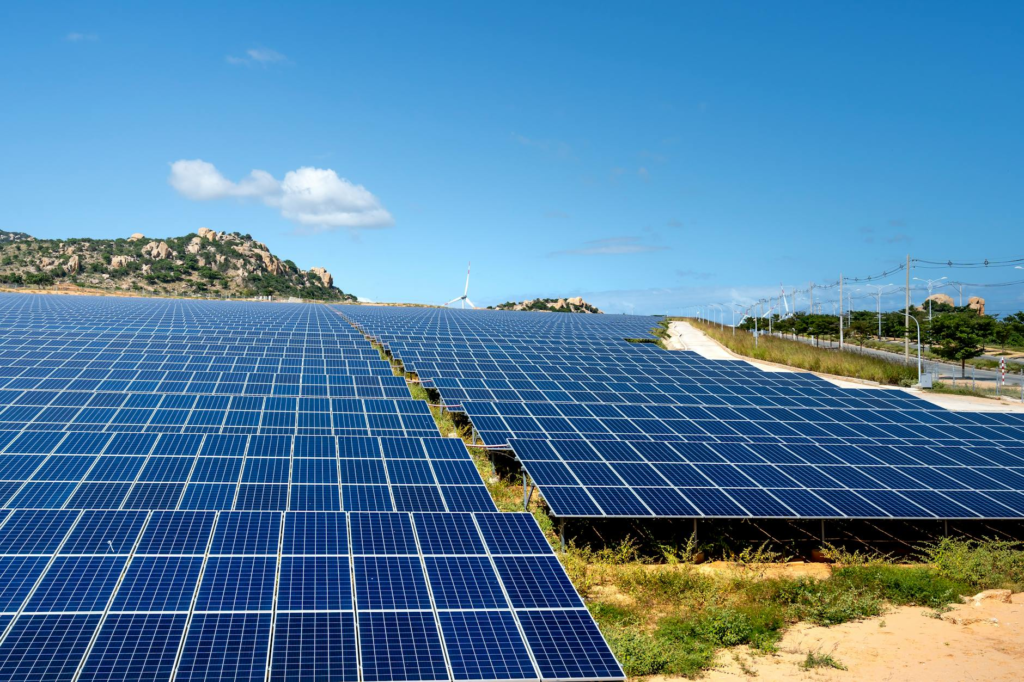
Why the Roof Surface Matters More Than Ambient Air
The roof itself acts as a thermal reservoir. Dark‑colored shingles, metal decking, or even certain insulation materials can absorb and retain heat, raising the temperature of the panels mounted directly above them. Conversely, reflective roofing, proper ventilation, and strategic spacing can keep panel temperatures closer to ambient air, preserving efficiency. This is why a blanket statement like “solar works best in sunny locations” is incomplete without considering how hot the panels actually become on a given roof. By conducting a detailed rooftop temperature mapping solar survey, designers can quantify these variations across the entire building envelope.
What Exactly Is Rooftop Temperature Mapping?
Rooftop temperature mapping is the process of measuring, recording, and visualising temperature data across the surface of a roof over a defined period. Using infrared thermography, drone‑mounted sensors, or fixed‑point thermometers, technicians capture temperature gradients that reveal hot spots, cool zones, and patterns caused by shading, material differences, and airflow. The collected data is then overlaid onto a digital model of the roof, producing a heat map that highlights where panels will operate at higher or lower temperatures. When the phrase rooftop temperature mapping solar is used, it signals a focused analysis aimed specifically at optimizing solar installations rather than general building diagnostics.
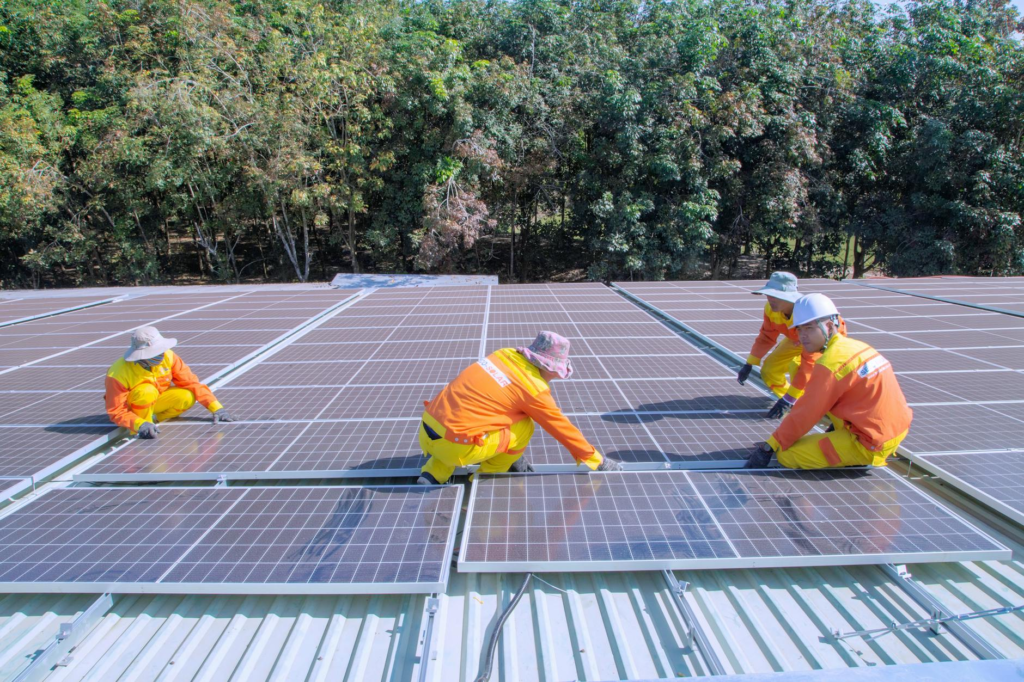
Tools and Techniques Used in Modern Mapping
Today’s solar designers have a toolbox that includes handheld infrared cameras for spot checks, high‑resolution thermal drones that can scan an entire roof in minutes, and fixed sensor arrays that log temperature every few minutes for 24‑hour cycles. Software platforms then ingest this data, applying algorithms that factor in solar irradiance, wind speed, and roof geometry to predict panel temperature under various operating conditions. The result is a predictive model that can be adjusted for seasonal changes, enabling designers to plan for worst‑case heat scenarios as well as optimal cooler periods.
Key Benefits for Solar Designers
Integrating rooftop temperature mapping into the design workflow offers several tangible advantages. First, it allows designers to pinpoint the coolest spots on a roof, which are prime candidates for high‑efficiency modules that command a premium price. Second, it helps avoid placing panels over thermal hot spots that would otherwise degrade performance and increase the likelihood of hotspot failures. Third, the data supports more accurate energy production forecasts, which are critical for financing, permitting, and client communication. In short, rooftop temperature mapping solar analysis turns guesswork into data‑driven decision making.
| Benefit | Traditional Design Approach | With Temperature Mapping |
|---|---|---|
| Energy Yield Accuracy | ±5 % variance | ±1–2 % variance |
| Panel Placement Optimization | Based on shade analysis only | Incorporates heat data for cooler zones |
| System Longevity | Standard warranties | Reduced hotspot risk, longer warranties |
Optimising Panel Placement Using Heat Maps
When a designer reviews a thermal heat map, they can see at a glance which roof sections stay 5–10 °C cooler during peak sun hours. By positioning higher‑efficiency panels or string inverters in these zones, the overall system output can be boosted without increasing the total number of panels. This strategy is especially valuable in dense urban neighborhoods of Pensacola where roof space is limited and every watt counts. The mapping data also informs the decision to use elevated mounting systems that promote airflow, further mitigating temperature‑related losses.
Mitigating Shading and Heat‑Induced Losses
Shading analysis alone cannot reveal the full picture of performance loss. A panel that receives full sunlight but operates at an elevated temperature may produce less energy than a partially shaded panel that stays cooler. By overlaying shading diagrams with temperature data, designers can identify “sweet spots” where a small amount of shade is outweighed by cooler operating conditions. This nuanced approach leads to more balanced system layouts that maximise annual energy yield across the varied climate of Tallahassee.
Case Study: Applying Temperature Mapping in Pensacola and Tallahassee
Consider a residential project in downtown Pensacola with a 2,200 sq ft sloped roof composed of dark composite shingles. A conventional design placed 20 panels uniformly across the roof, assuming equal performance. After conducting a rooftop temperature mapping solar survey, the team discovered that the western third of the roof consistently ran 12 °C hotter due to reduced ventilation and direct afternoon sun exposure. By relocating six of the panels to the cooler eastern side and installing a low‑profile ventilated racking system, the projected annual energy production increased by 8 %, translating into an additional $500 in savings over the system’s lifetime.
In Tallahassee, a commercial building with a flat roof and extensive HVAC equipment presented a different challenge. Heat emitted from the rooftop units created localized hotspots. Temperature mapping identified these zones, allowing the solar designer to avoid placing panels directly above the equipment and to select high‑temperature‑tolerant modules for the surrounding area. The result was a 5 % boost in system efficiency and a reduction in maintenance calls related to hotspot failures.
Integrating Temperature Mapping Into Your Design Workflow
For firms looking to adopt this technology, the process can be broken down into a series of clear steps that fit seamlessly into existing project phases. Starting with the site assessment, designers schedule a thermal survey, process the data, and then feed the insights into the layout software. The final design incorporates both shade and temperature considerations, producing a more accurate performance model that can be presented to clients, lenders, and permitting authorities.
Step‑by‑Step Implementation Checklist
- Schedule an on‑site thermal survey using an infrared camera or drone.
- Collect temperature data over a full day to capture morning, midday, and afternoon conditions.
- Upload the data to a mapping platform and generate a heat map overlay.
- Identify cool zones, hot spots, and areas affected by shading.
- Adjust the panel layout in the design software to prioritise cooler zones.
- Run a revised energy simulation to quantify the impact.
- Document the temperature‑aware design in the project proposal.
By following this checklist, designers can ensure that every project benefits from the precision that rooftop temperature mapping solar analysis provides. The additional time spent on data collection is quickly recouped through higher energy yields, reduced warranty claims, and stronger client confidence.
Addressing Common Misconceptions
One frequent myth is that temperature mapping is only necessary for large commercial installations. In reality, even a modest 5‑panel residential system can see measurable gains when panels are placed in cooler micro‑climates on the roof. Another misconception is that the technology is prohibitively expensive. With the rise of affordable thermal drones and cloud‑based analytics, the cost of a single survey often pays for itself within the first few years of increased energy production.
Future Trends: Smarter Roofs and Integrated Sensors
The next generation of rooftop temperature mapping is moving toward continuous, real‑time monitoring. Integrated temperature sensors embedded in mounting rails can stream data to the solar inverter, allowing the system to adjust operating parameters on the fly. Machine‑learning algorithms will soon predict temperature spikes before they occur, enabling proactive cooling strategies such as dynamic airflow control. As these technologies mature, the phrase rooftop temperature mapping solar will become synonymous with intelligent, adaptive solar installations that deliver optimal performance year after year.
In conclusion, rooftop temperature mapping provides solar designers with the actionable intelligence needed to place panels where they will stay coolest, operate most efficiently, and last longest. By embracing this data‑driven approach, professionals serving Pensacola, Tallahassee, and beyond can deliver higher‑yield systems, reduce warranty costs, and give homeowners the confidence that their solar investment is truly optimized for their unique roof.
