



Understanding the Problem: Why Solar Cell Cracking Happens
When homeowners in the Florida Panhandle invest in solar energy, they expect reliable power generation for decades. Yet, one hidden issue can slowly undermine that expectation: microcracks that develop inside the photovoltaic cells themselves. These tiny fractures, often invisible to the naked eye, can expand over time and reduce a panel’s efficiency. The phenomenon is commonly discussed under the term solar cell cracking panels, a phrase that captures both the cause and the affected equipment. In this article we’ll explore the science behind cell cracking, the environmental factors that accelerate it, and practical steps you can take to detect and mitigate the damage before it compromises your system’s output.
Find us here:
Solar Cost Calculator – Florida Panhandle Only
* Estimate based on $3.25 per watt for solar installation.
* For Tesla Powerwall 3 Batteries, $15,000 for the first battery, $12,000 for each additional battery.
* Other variations and types of Batteries are available.
What Is Solar Cell Cracking?
Solar cells are made from thin slices of crystalline silicon that are sandwiched between protective glass and an encapsulant polymer. While the glass provides a hard, weather‑resistant barrier, the silicon wafer is inherently brittle. When the wafer experiences stress beyond its elastic limit, microscopic fissures form. These fissures are called microcracks, and they differ from visible breakage in that they do not immediately cause a cell to fail. Over months and years, however, the cracks can grow, creating pathways for moisture and increasing electrical resistance. This degradation is what we refer to when we talk about solar cell cracking panels. The process is gradual, but its impact on power output can become noticeable after a few years of exposure.
Primary Causes of Microcracking
Several factors combine to produce the stress that leads to cell cracking. In the humid subtropical climate of the Florida Panhandle, temperature swings between scorching summer highs and cooler winter evenings are common. These fluctuations cause the materials in a solar panel to expand and contract at different rates, a phenomenon known as thermal mismatch. When this mismatch is repeated thousands of times, the silicon wafer can develop tiny fractures. In addition to temperature, ultraviolet (UV) radiation, wind‑borne debris, and mechanical loads from installation or maintenance activities also contribute to the problem.
Thermal Stress in the Florida Panhandle
The Panhandle experiences some of the most extreme temperature gradients in the state. On a typical summer day, surface temperatures on a solar panel can exceed 70 °C (158 °F), while the ambient air may be much cooler in the early morning. When the sun sets, the panel cools rapidly, shrinking the glass and the encapsulant faster than the silicon wafer. This differential contraction creates tensile stress on the cell edges. Over time, that stress manifests as microcracks, especially in areas where the panel’s mounting hardware applies additional pressure. The result is a classic case of solar cell cracking panels due to prolonged thermal cycling.
UV Radiation and Weather Cycling
Even though the glass cover blocks most harmful UV wavelengths, a small portion still reaches the encapsulant and the silicon surface. UV exposure can degrade the polymer that binds the cells, making it more brittle. When combined with daily weather cycles—rain, humidity, and occasional hail—the weakened encapsulant offers less protection against mechanical stress. The cumulative effect is an increased likelihood of microcrack formation, a subtle but steady contributor to solar cell cracking panels in coastal regions where sunlight is abundant.
Mechanical Load and Installation Errors
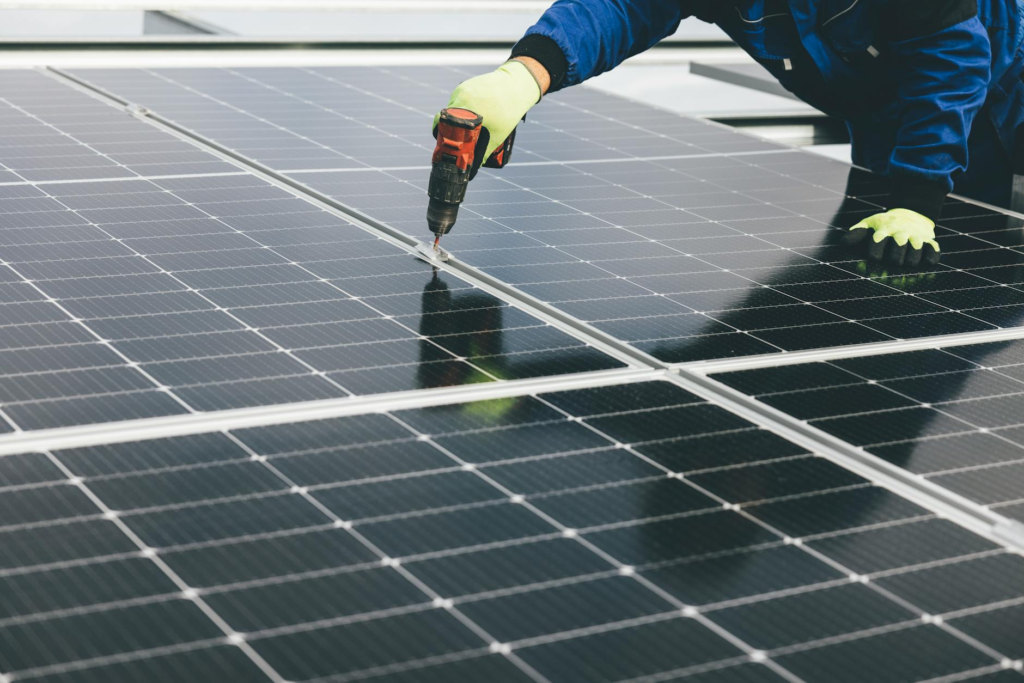
Improper handling during installation is a frequent source of early‑stage cracks. Over‑tightening bolts, using inappropriate torque settings, or placing heavy objects on the panel surface can introduce localized stress points. Even after a panel is installed, routine cleaning with abrasive pads or high‑pressure water can create micro‑abrasions that evolve into cracks. These mechanical factors are often overlooked, yet they play a vital role in the overall health of solar cell cracking panels. Proper training and adherence to manufacturer guidelines are essential to minimize this risk.
How Cracks Propagate Over Time
Once a microcrack forms, it does not remain static. The crack tip acts as a stress concentrator, meaning that subsequent thermal cycles or mechanical loads focus additional force on the same spot. This concentration accelerates crack growth, a process described by fracture mechanics as “fatigue propagation.” As the crack lengthens, it can intersect with the cell’s electrical pathways, disrupting the flow of electrons and increasing series resistance. The net effect is a measurable drop in the panel’s power output, often ranging from 1 % to 5 % per year depending on the severity of the cracking. Over a typical 25‑year warranty period, unchecked microcracks can lead to a cumulative loss of up to 20 % of the panel’s original rating.
Detecting Cracks Early
- Infrared (IR) thermography – reveals hotspots caused by increased resistance at crack sites.
- Electroluminescence (EL) imaging – captures low‑light emissions that highlight cell defects.
- Visual inspection with a magnifying glass – useful for spotting surface fractures on the glass.
- Performance monitoring – sudden drops in output can indicate emerging cracks.
Early detection is crucial because repairing or replacing cracked cells is far more cost‑effective than waiting for a full panel failure. Many professional installers now offer periodic EL scans as part of their maintenance contracts, especially for systems located in high‑stress environments like the Florida Panhandle. By catching the issue early, you can decide whether a localized repair, a re‑tightening of mounting hardware, or a full panel replacement is the best course of action.
Impact on Panel Performance
Microcracks affect both the electrical and thermal behavior of a solar module. Electrically, the cracked region experiences higher resistance, which manifests as a localized hotspot during operation. These hotspots not only reduce the overall conversion efficiency but can also accelerate the degradation of nearby cells through heat buildup. Thermally, the uneven temperature distribution can exacerbate further cracking, creating a feedback loop that hastens panel aging. In practical terms, a system suffering from extensive solar cell cracking panels may see a 5 % to 15 % reduction in annual energy production, impacting return‑on‑investment calculations and potentially voiding warranty claims if the damage is deemed user‑induced.
Mitigation and Maintenance Strategies
- Use mounting systems with vibration‑dampening pads to reduce mechanical stress.
- Apply torque wrenches calibrated to manufacturer specifications during installation.
- Schedule regular cleaning with soft, non‑abrasive tools to avoid surface damage.
- Implement a monitoring system that alerts you to sudden performance drops.
- Consider anti‑reflective coatings that also provide UV protection for the encapsulant.
These strategies are especially relevant for installations in the Panhandle, where high humidity and salt‑laden air can accelerate material fatigue. By combining proper installation techniques with ongoing maintenance, you can significantly reduce the likelihood of severe cell cracking and extend the useful life of your solar investment.
Choosing Resilient Panels for the Florida Climate
| Panel Type | Thermal Coefficient ( %/°C ) | Crack‑Resistance Rating | Typical Warranty |
|---|---|---|---|
| Monocrystalline (PERC) | –0.30 | High | 25 years |
| Polycrystalline | –0.35 | Medium | 20 years |
| Bifacial (Glass‑Glass) | –0.28 | Very High | 30 years |
When selecting a panel, look for a low thermal coefficient, which indicates that the module’s power output is less sensitive to temperature changes—a key factor in reducing thermal stress. Glass‑glass bifacial modules often receive the highest crack‑resistance rating because the double‑glass construction provides superior protection against moisture ingress and mechanical impact. Although they may carry a higher upfront cost, their extended warranties and durability make them a compelling choice for the demanding conditions of the Florida Panhandle.
Frequently Asked Questions
- Can I repair a cracked solar cell? Minor microcracks can sometimes be mitigated by re‑encapsulating the module, but most manufacturers recommend panel replacement for optimal performance.
- How often should I have my system inspected? An annual visual check combined with a professional EL scan every 3–5 years is a good balance between cost and risk.
- Will cleaning the panels cause cracks? Using soft brushes and low‑pressure water is safe; avoid abrasive pads and high‑pressure washers that can stress the glass.
- Do warranties cover cell cracking? Most standard warranties exclude damage caused by improper installation or user‑induced stress, but they do cover manufacturing defects that lead to cracking.
By staying informed about the mechanisms behind solar cell cracking panels and adopting proactive maintenance habits, you can safeguard your solar investment against the subtle yet costly effects of microcracking. Regular monitoring, proper installation, and selecting panels designed for high thermal stability are the cornerstones of a resilient solar system in the Florida Panhandle.
