



Understanding the Coastal Challenge
Living on the Emerald Coast, whether in Destin, Navarre Beach, or any nearby shoreline community, offers breathtaking sunsets and a relaxed lifestyle. Yet the same salty breeze that paints the horizon also carries microscopic particles of sodium chloride that settle on every surface they touch. Over time, this relentless exposure creates a hostile environment for metals, plastics, and even certain composites. Homeowners who invest in solar energy systems quickly discover that the mounting hardware—often the unsung hero of a photovoltaic array—faces the brunt of this aggression. When the hardware begins to degrade, the entire system’s performance, safety, and warranty can be jeopardized. This article explores why coastal homes need specialized mounting solutions and how choosing the right corrosion resistant solar hardware can protect your investment for decades.
Find us here:
Solar Cost Calculator – Florida Panhandle Only
* Estimate based on $3.25 per watt for solar installation.
* For Tesla Powerwall 3 Batteries, $15,000 for the first battery, $12,000 for each additional battery.
* Other variations and types of Batteries are available.
Salt Air and Its Aggressive Chemistry
Salt air is not just a collection of water droplets; it is a complex mixture of moisture, sodium chloride, magnesium, and sulfate ions. When these salts settle on metal surfaces, they create an electrolyte that accelerates electrochemical reactions. In simple terms, the metal starts to give up electrons to the salty environment, leading to oxidation—a process commonly known as rust. The rate of this reaction is amplified by the constant humidity and temperature fluctuations typical of Gulf Coast summers and mild winters. Even stainless steel, which many assume to be impervious, can suffer pitting corrosion if the alloy composition is not specifically designed for marine exposure. Understanding this chemistry is the first step toward selecting hardware that can survive where ordinary components would quickly fail.
How Corrosion Affects Solar Mounting Systems
Solar mounting systems are composed of rails, brackets, fasteners, and grounding components that hold panels at the optimal tilt and orientation. When corrosion begins on any of these parts, several problems arise. First, the structural integrity weakens, potentially causing panels to shift or detach under wind loads—a serious safety hazard. Second, corroded fasteners can seize, making future maintenance or panel replacement a labor‑intensive task. Third, the electrical grounding path may become unreliable, increasing the risk of voltage spikes during storms. Finally, visible rust or discoloration can diminish the aesthetic appeal of a home’s exterior, which is especially important in neighborhoods where curb appeal influences property values. In short, neglecting corrosion control can turn a clean energy solution into a costly liability.
Why Standard Hardware Falls Short
Many solar installers default to generic mounting kits that are perfectly adequate for inland installations but are not formulated for marine environments. These standard kits often use carbon steel or basic aluminum alloys that lack protective coatings beyond a simple powder coat. While such finishes may resist surface rust for a few years, the relentless salt spray eventually penetrates the coating, exposing the underlying metal to corrosion. Moreover, standard hardware typically does not include features like sealed fastener heads, sacrificial anodes, or corrosion‑inhibiting lubricants—all of which are essential for extending service life in coastal settings. Homeowners who rely on these off‑the‑shelf solutions may find themselves facing premature component failure, warranty disputes, and unexpected repair costs.
The Role of Corrosion Resistant Solar Hardware
Investing in corrosion resistant solar hardware changes the equation dramatically. These specially engineered components are manufactured from alloys such as marine‑grade 316 stainless steel, anodized aluminum, or zinc‑nickel coated steel, each offering superior resistance to salt‑induced oxidation. Many manufacturers also apply advanced surface treatments—like fluoropolymer coatings or hot‑dip galvanizing—that create a barrier far more durable than standard paint. By selecting mounting hardware that is expressly designed to withstand the Gulf’s salty atmosphere, homeowners protect the structural integrity of their arrays, maintain reliable grounding, and reduce long‑term maintenance demands. In many cases, the modest upfront cost premium is quickly offset by the extended service life and fewer warranty claims.
Materials Engineered for the Shoreline
Several material families dominate the market for coastal solar installations. Marine‑grade 316 stainless steel offers excellent resistance to pitting and crevice corrosion, making it ideal for fasteners and structural brackets. Anodized aluminum provides a hard, non‑porous surface that resists salt penetration while remaining lightweight—a benefit for large rooftop arrays. Zinc‑nickel hot‑dip galvanizing creates a thick, adherent coating that sacrificially corrodes before the base steel, extending lifespan in aggressive environments. Some premium products incorporate a dual‑layer system: a hot‑dip zinc‑nickel base topped with a fluoropolymer topcoat for added chemical resistance. Understanding the strengths and limitations of each material helps installers match the hardware to the specific exposure level of a given site.
| Material | Typical Use | Corrosion Rating (Salt Spray) | Weight Consideration |
|---|---|---|---|
| 316 Stainless Steel | Fasteners, brackets | Excellent – minimal pitting | Heavier |
| Anodized Aluminum | Rails, mounting arms | Good – surface resistant | Lightweight |
| Zinc‑Nickel Galvanized Steel | Grounding lugs, structural supports | Very Good – sacrificial protection | Moderate |
Choosing the Right Hardware for Your Home
The selection process begins with a site assessment that measures proximity to the shoreline, prevailing wind directions, and the frequency of sea‑spray events. For properties within a mile of the beach, the safest bet is to specify 316 stainless steel fasteners paired with anodized aluminum rails—this combination offers both strength and weight efficiency. For homes situated slightly farther inland but still subject to occasional salt fog, zinc‑nickel galvanized steel with a fluoropolymer topcoat may provide a cost‑effective solution. Crucially, the chosen hardware must be labeled as corrosion resistant solar hardware by the manufacturer, ensuring it has undergone testing under ASTM B117 salt‑spray conditions. By documenting these specifications in the project contract, homeowners gain clarity on performance expectations and warranty coverage.
Installation Strategies that Minimize Exposure
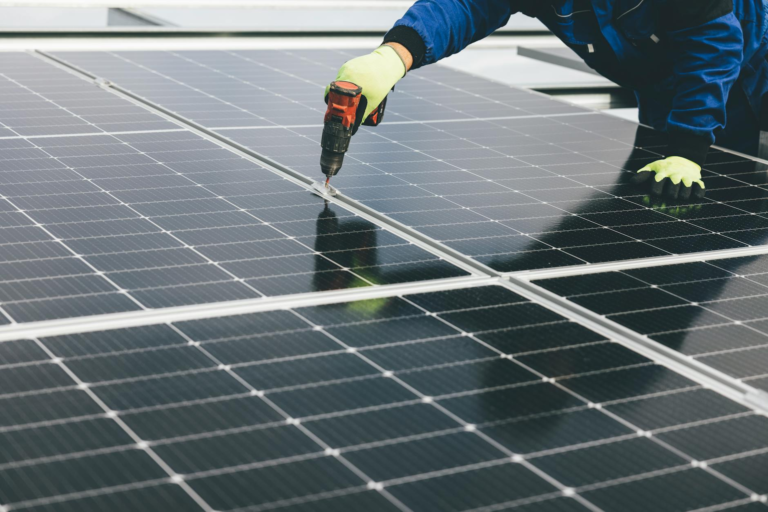
Even the most robust corrosion resistant solar hardware can suffer if installed incorrectly. Installers should use stainless steel or coated stainless steel tools to avoid contaminating fastener threads with iron particles. All fasteners must be torqued to the manufacturer’s specifications using a calibrated torque wrench; over‑tightening can strip protective coatings, while under‑tightening allows micro‑movement that accelerates wear. Sealing the heads of bolts and nuts with marine‑grade silicone or a compatible sealant creates an additional moisture barrier. Additionally, orienting the array to reduce direct sea‑spray exposure—such as positioning the lower edge of the panel array slightly above the roof’s eave—can dramatically lower the cumulative salt load on the mounting hardware. These best practices, combined with the use of corrosion resistant solar hardware, form a comprehensive defense against premature degradation.
Ongoing Maintenance and Inspection
Regular upkeep is essential to preserve the performance of any coastal solar system. A semi‑annual visual inspection—ideally after the hurricane season—allows owners to spot early signs of rust, coating delamination, or sealant cracking. Cleaning the mounting components with fresh water and a soft brush removes salt deposits before they can infiltrate protective layers. When any corrosion is detected, it should be addressed immediately: replace compromised fasteners, reapply sealant, or, if necessary, swap out a damaged bracket with a new piece of corrosion resistant solar hardware. The following checklist helps streamline the maintenance routine:
- Inspect all fasteners for discoloration or rust.
- Check sealant integrity around bolt heads and brackets.
- Clean rails and mounting arms with fresh water to remove salt buildup.
- Verify that grounding connections remain tight and free of corrosion.
- Document any findings and schedule corrective actions within 30 days.
Balancing Cost and Longevity
At first glance, corrosion resistant solar hardware appears more expensive than standard mounting kits. However, a life‑cycle cost analysis reveals that the higher upfront investment often results in lower total ownership costs. When a system avoids premature component failure, homeowners save on labor, replacement parts, and potential downtime that would otherwise reduce energy production. Moreover, many manufacturers honor extended warranties—sometimes up to 25 years—when their specialized hardware is used as specified. By factoring in reduced maintenance frequency, fewer warranty claims, and sustained energy output, the return on investment for corrosion resistant solutions typically surpasses that of conventional hardware within the first decade.
Real‑World Example: A Destin Home
Consider a 3,500‑square‑foot home in Destin that installed a 10‑kW rooftop solar system in 2022. The owner opted for 316 stainless steel brackets, anodized aluminum rails, and zinc‑nickel galvanized grounding lugs—each certified as corrosion resistant solar hardware. After three years, the system has produced over 45,000 kWh with no performance loss, and the mounting hardware shows no visible signs of rust or coating failure. By contrast, a neighboring property that used standard carbon‑steel mounts began experiencing bracket corrosion after just 18 months, requiring a costly retrofit. This side‑by‑side comparison underscores how the right hardware can safeguard a solar investment against the harsh realities of coastal living.
In summary, the relentless salt exposure that characterizes the Destin and Navarre Beach areas demands a proactive approach to solar mounting design. By selecting corrosion resistant solar hardware, employing proper installation techniques, and committing to routine maintenance, coastal homeowners can ensure their photovoltaic systems remain efficient, safe, and visually appealing for decades to come. The added upfront cost is a small price to pay for the peace of mind that comes with knowing your solar array can weather the sea’s relentless assault.
