




The Rise of Energy Planning in Home Buying
In the past decade, homebuyers have shifted from focusing solely on square footage and neighborhood amenities to incorporating the long‑term cost of energy into their purchase criteria. This shift is especially evident in the Florida Panhandle, where abundant sunshine, rising electricity rates, and state incentives have turned solar considerations into a decisive factor. When prospective owners evaluate listings, they increasingly ask, “How much sunlight does this roof receive?” and “What are the potential savings from a solar system?” In other words, solar home buying decisions florida have become a regular part of the conversation between buyers, agents, and sellers.
Find us here:
Solar Cost Calculator – Florida Panhandle Only
* Estimate based on $3.25 per watt for solar installation.
* For Tesla Powerwall 3 Batteries, $15,000 for the first battery, $12,000 for each additional battery.
* Other variations and types of Batteries are available.
Why Energy Costs Matter More Than Ever
Utility rates in Pensacola, Destin, and Tallahassee have risen steadily, outpacing inflation and putting pressure on household budgets. According to the Florida Public Service Commission, residential electricity prices have increased by an average of 3.5 % per year over the last five years. For a typical 2,500‑square‑foot home, that translates to an extra $150‑$250 each month. When buyers calculate the total cost of ownership, these recurring expenses dominate the financial picture, prompting many to explore solar as a hedge against future rate hikes. The awareness that a home’s energy profile can affect long‑term affordability is a key driver behind the surge in solar home buying decisions florida.
State Incentives and Local Policies Fueling the Trend
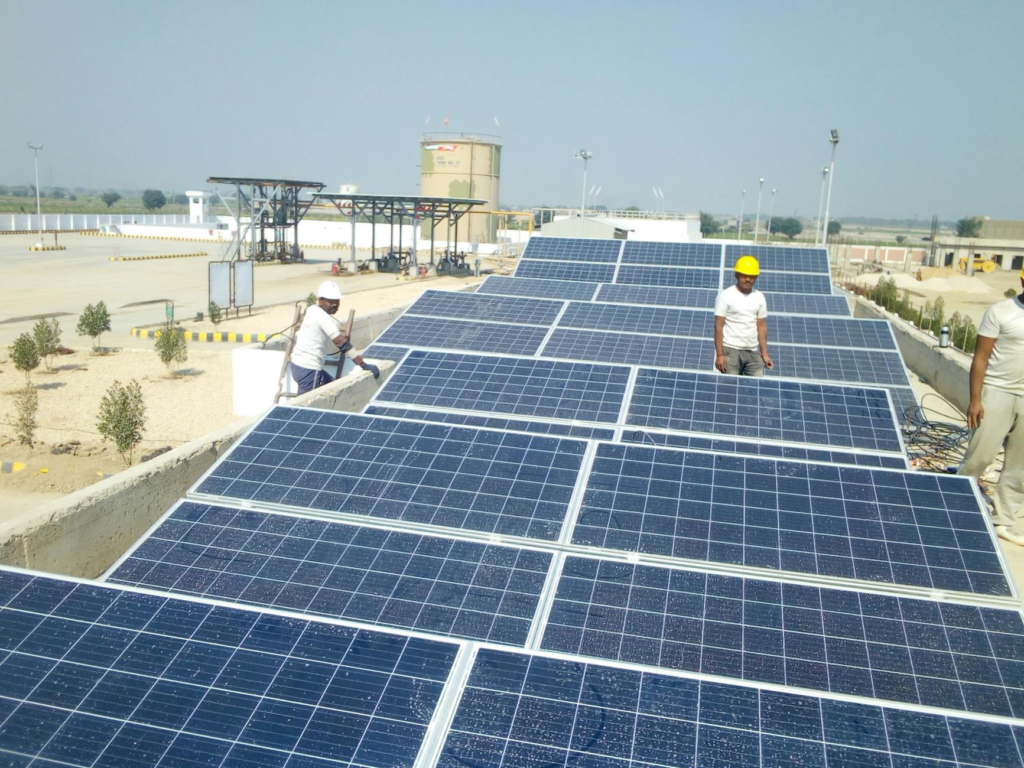
Florida’s solar-friendly policies have created a fertile environment for homeowners to adopt renewable energy. The state offers a 30 % Federal Investment Tax Credit (ITC) that can be applied to the cost of a solar installation, and many utilities provide net‑metering programs that credit excess generation at the retail rate. Moreover, several counties in the Panhandle have introduced property‑tax exemptions for solar equipment, effectively lowering the upfront financial barrier. These incentives make the prospect of a solar‑ready home much more attractive, and they directly influence solar home buying decisions florida by adding tangible monetary benefits to the equation.
Assessing Solar Potential: What Buyers Look For
When evaluating a property, buyers typically assess three key factors: roof orientation, shading, and structural integrity. South‑facing roofs with minimal tree cover receive the most sunlight, maximizing the efficiency of a solar array. In addition, the age and material of the roof matter because solar panels weigh several hundred pounds per square meter and may require reinforcement. Finally, the presence of a modern electrical panel and adequate space for an inverter are practical considerations. Real estate listings that highlight these attributes often attract more interest, because they simplify the decision‑making process for those focused on solar home buying decisions florida.
Tools and Resources for Accurate Evaluation
Several online platforms now offer solar irradiance maps and shade analysis tools that allow buyers to estimate a home’s solar output before stepping foot on the property. Google’s Project Sunroof, for example, provides a visual overlay of potential solar generation based on satellite data. Local solar installers also offer free site assessments, delivering detailed reports that include expected yearly production, payback period, and return on investment. By leveraging these resources, buyers can make data‑driven solar home buying decisions florida rather than relying on guesswork.
Regional Spotlight: Pensacola, Destin, and Tallahassee
Each city in the Panhandle offers distinct advantages for solar adoption, and understanding these nuances helps buyers align their priorities with local conditions.
- Pensacola: Known for its high solar insolation levels, Pensacola averages 5.5 peak sun hours per day, making it one of the most solar‑friendly locations in the state. The city’s growing number of solar‑ready subdivisions has led developers to pre‑install wiring for future panels.
- Destin: While tourism drives much of Destin’s economy, the city’s coastal homes often feature large, unobstructed roofs that are ideal for solar arrays. Local utility programs in Destin provide favorable net‑metering rates that enhance the financial case for solar.
- Tallahassee: As the state capital, Tallahassee benefits from progressive municipal policies, including streamlined permitting for residential solar installations. The city’s mix of historic and new construction offers a range of opportunities for buyers interested in retrofitting older homes with solar technology.
These regional characteristics are frequently cited in buyer inquiries, underscoring how solar home buying decisions florida are tailored to the specific attributes of each market.
Financial Benefits: Savings, Tax Credits, and Resale Value
Beyond reducing monthly utility bills, solar installations can boost a home’s market value. Studies by the National Renewable Energy Laboratory (NREL) indicate that homes with solar panels sell for an average of 4 % higher than comparable properties without solar. In the Florida Panhandle, where median home prices range from $250,000 in Tallahassee to $350,000 in Destin, this premium can amount to $10,000‑$14,000. When combined with the 30 % Federal ITC and state tax exemptions, the financial upside becomes a compelling argument for both sellers and buyers.
| City | Average Annual Solar Savings | Typical Increase in Home Value |
|---|---|---|
| Pensacola | $1,800 | 4.2 % |
| Destin | $2,100 | 4.5 % |
| Tallahassee | $1,600 | 3.9 % |
The table above illustrates how average annual solar savings translate into higher resale values across the three key markets. For buyers weighing the long‑term benefits, these figures reinforce why solar home buying decisions florida are increasingly data‑driven.
Steps for Buyers to Incorporate Energy Planning
Integrating solar considerations into the home‑search process involves a systematic approach. Below is a step‑by‑step guide that many buyers follow:
- Identify Solar‑Friendly Neighborhoods: Research areas with high sun exposure and supportive municipal policies.
- Request Roof and Utility Information: Ask sellers for roof age, material, and any existing solar documentation.
- Commission a Solar Site Assessment: Engage a reputable installer to conduct a professional evaluation.
- Calculate Financial Metrics: Use the assessment report to estimate payback period, net present value, and impact on resale price.
- Negotiate Incentives or Credits: Some sellers may be willing to cover a portion of the solar installation cost as part of the purchase agreement.
Following these steps ensures that buyers make informed solar home buying decisions florida that align with both their sustainability goals and financial objectives.
Collaborating with Real Estate Professionals
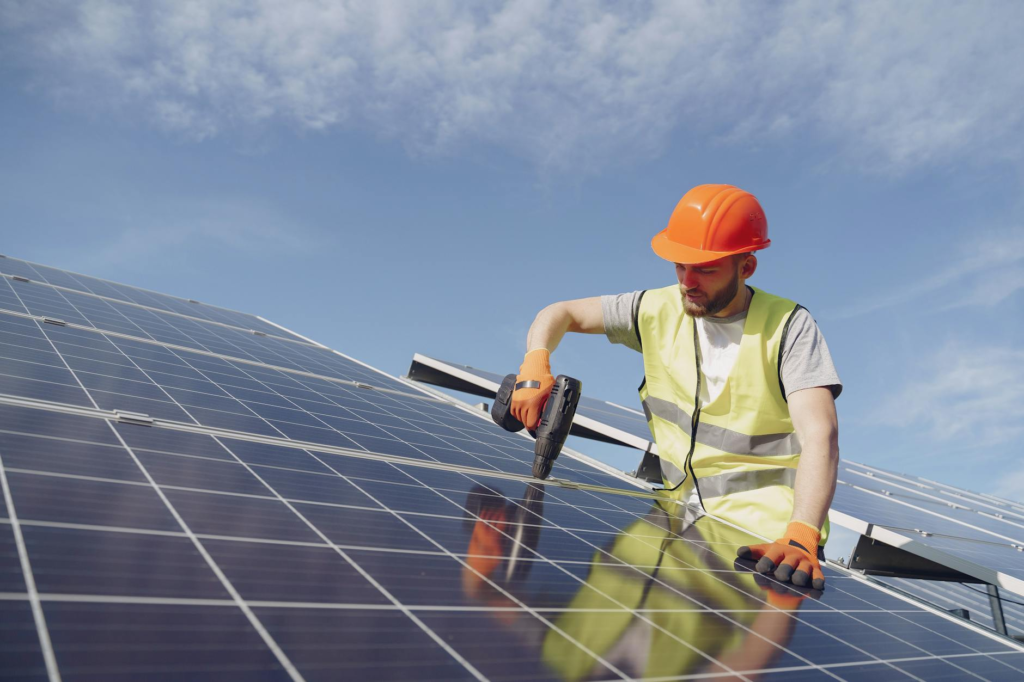
Real estate agents who understand the nuances of solar energy can add significant value to the transaction. Agents can highlight a property’s solar potential in listings, provide comparative market analysis that includes solar‑related price adjustments, and connect buyers with trusted solar contractors. In markets like Pensacola and Destin, agents who specialize in green real estate often receive referrals from homeowners who have already installed solar systems and are looking to sell. This collaborative approach accelerates the adoption of solar and reinforces the importance of solar home buying decisions florida in the local market.
Future Outlook: How Energy Planning Will Evolve
Looking ahead, the integration of smart home technology, battery storage, and community microgrids will further embed energy considerations into the home‑buying process. As utilities introduce time‑of‑use rates and demand‑response programs, homeowners will need to assess not only solar generation but also storage capacity and grid interaction. In the Florida Panhandle, where climate resilience is a growing concern, properties equipped with solar and battery backup will likely command a premium. Anticipating these trends, buyers are already positioning themselves to benefit from the next wave of energy‑focused homeownership, making solar home buying decisions florida a forward‑looking strategy.
Conclusion
Energy planning has transitioned from a niche concern to a central component of home buying in the Florida Panhandle. By evaluating solar potential, leveraging state incentives, and working with knowledgeable agents, buyers in Pensacola, Destin, and Tallahassee can secure homes that not only meet their lifestyle needs but also deliver lasting financial and environmental benefits. As the market continues to evolve, incorporating solar considerations will remain a smart, strategic move for any prospective homeowner.
