



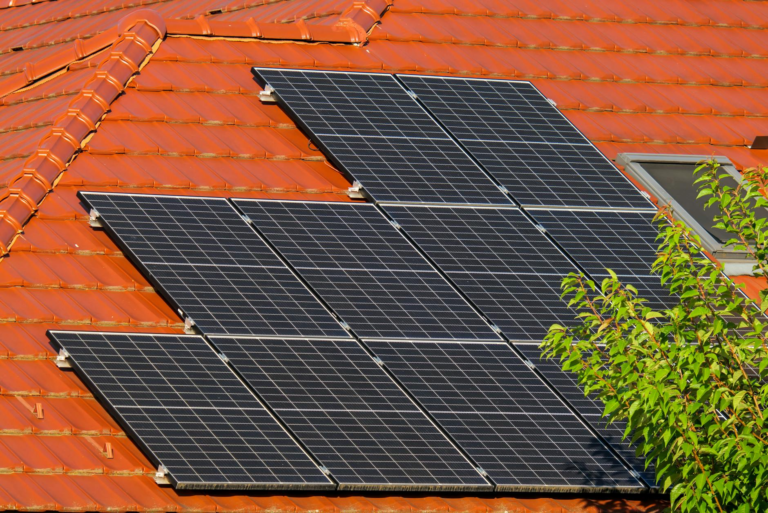
Homeowners across the Florida Panhandle are reevaluating what it means to own a house in the 21st century. The classic goals of shelter and space are expanding to include energy independence, sustainability, and financial resilience. As utility rates climb and climate awareness deepens, many families are turning to solar modern homeownership florida as a strategic move that aligns with both personal values and long‑term economic goals.
Find us here:
Solar Cost Calculator – Florida Panhandle Only
* Estimate based on $3.25 per watt for solar installation.
* For Tesla Powerwall 3 Batteries, $15,000 for the first battery, $12,000 for each additional battery.
* Other variations and types of Batteries are available.
Why Homeownership Goals Are Changing
Traditional homeownership centered on square footage, location, and aesthetic appeal. Today, buyers and existing owners alike are adding a new set of criteria: energy performance, carbon footprint, and the ability to generate power on‑site. This shift is driven by three major forces. First, the cost of electricity in Florida has risen faster than inflation, prompting homeowners to look for ways to offset monthly bills. Second, the increasing frequency of extreme weather events has highlighted the need for reliable backup power. Third, a growing cultural emphasis on environmental stewardship encourages residents to adopt clean‑energy solutions that benefit the community as a whole.
Energy Independence and Cost Savings
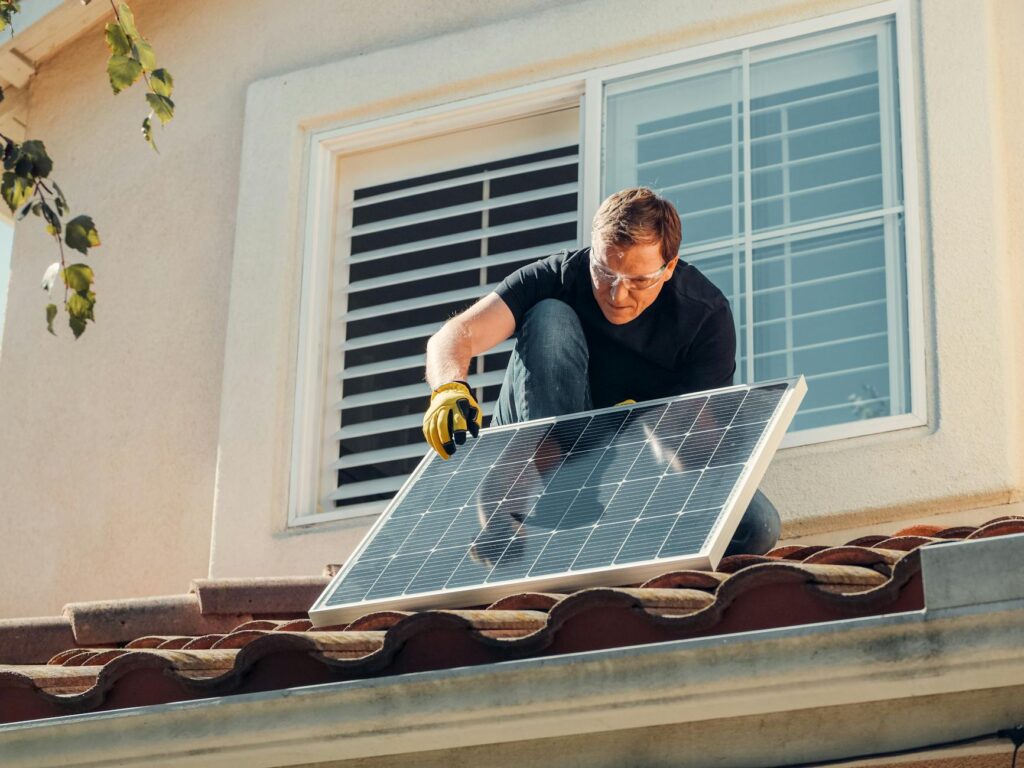
Solar panels convert sunlight into electricity, allowing a home to produce a significant portion of its own power. In the sunny climate of Destin, Crestview, and Pensacola, a typical 6‑kilowatt system can cover 70‑90 % of a household’s annual consumption. By generating electricity on‑site, owners reduce reliance on the grid and protect themselves from future rate hikes. Over the lifespan of a system—usually 25 to 30 years—those savings can total tens of thousands of dollars, effectively paying for the upfront investment and then delivering profit.
Environmental Responsibility
Each kilowatt‑hour produced by solar replaces an equivalent amount of electricity that would otherwise come from fossil‑fuel power plants. For a typical Florida home, that translates to a reduction of roughly 10‑12 metric tons of CO₂ per year. When multiple households adopt solar modern homeownership florida, the collective impact becomes a measurable contribution to state‑wide emission reduction goals. Moreover, solar installations have a relatively low environmental footprint during construction, especially when paired with responsibly sourced panels and recycled mounting hardware.
Florida Panhandle Specific Benefits
The Panhandle’s unique geography offers a perfect blend of high solar irradiance and a housing market that values both waterfront views and suburban comfort. In addition, local governments have embraced policies that streamline permitting and encourage community solar projects. This supportive environment makes it easier for homeowners to transition to clean energy without navigating a labyrinth of bureaucracy.
Destin: Coastal Living Meets Solar
Destin’s beachfront properties benefit from unobstructed sunlight for most of the year, providing an ideal setting for solar modern homeownership florida. Homeowners here often install panels that are engineered to withstand salty air and hurricane‑grade winds, ensuring durability and long‑term performance. The resulting energy independence is especially valuable during storm seasons when grid outages are common.
Crestview: Growing Suburbs and Solar
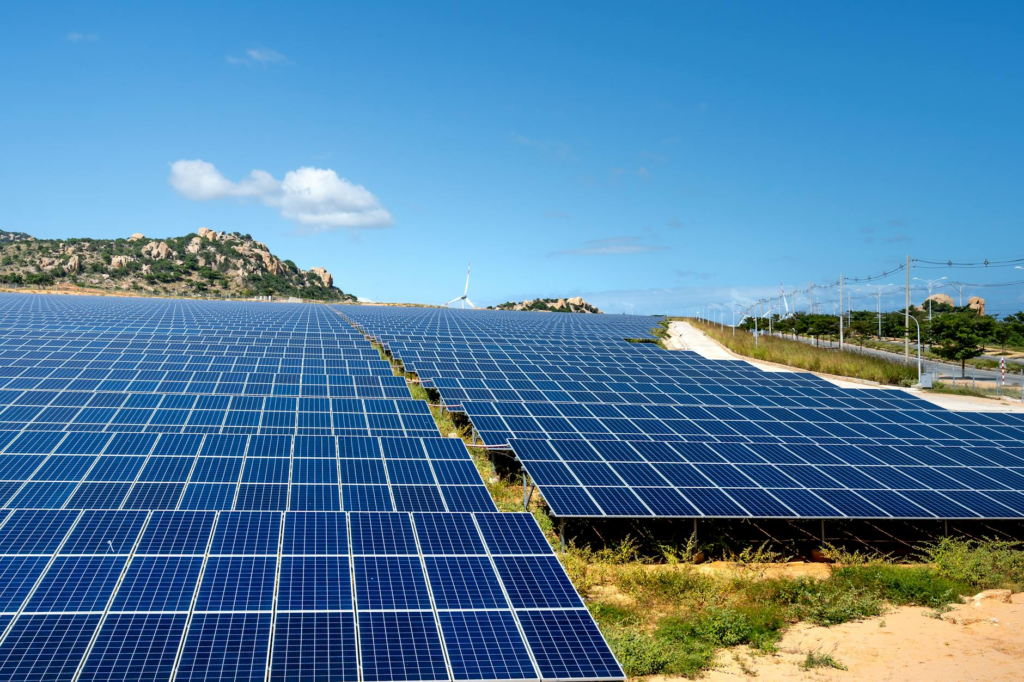
As Crestview expands, new residential developments are being designed with solar readiness in mind. Builders are integrating pre‑wired inverter spaces and roof‑mounting systems directly into floor plans. This proactive approach reduces retrofitting costs for future owners and makes solar modern homeownership florida a standard feature rather than an afterthought.
Pensacola: Urban Revitalization and Clean Power
Pensacola’s downtown revitalization projects include incentives for commercial and multifamily properties to install solar arrays. Homeowners in historic neighborhoods are also seeing increased interest from buyers who prioritize sustainable living. The city’s commitment to net‑zero goals by 2035 reinforces the market demand for properties that already incorporate renewable energy solutions.
Financial Incentives and Programs
The federal Investment Tax Credit (ITC) currently offers a 30 % credit on the cost of solar installations, dramatically reducing the upfront expense. Florida complements this with a property tax exemption for the added value of solar equipment, meaning that the increase in home appraisal does not translate into higher taxes. Additionally, many local utilities provide rebates or performance‑based incentives that further improve the return on investment.
- 30 % Federal Investment Tax Credit (ITC)
- Florida Property Tax Exemption for Solar Systems
- Utility rebates ranging from $0.10 to $0.30 per watt
- Low‑interest loans through state‑backed financing programs
Long‑Term Property Value Impact
Multiple studies have shown that homes equipped with solar panels sell faster and at a premium compared to non‑solar counterparts. In the Florida Panhandle, the average price premium is estimated at 4‑5 % of the home’s market value. Buyers are willing to pay more because they anticipate lower utility bills and appreciate the environmental benefits. This premium aligns perfectly with the concept of solar modern homeownership florida, where the investment not only saves money but also enhances resale potential.
Technology Advances Making Solar Seamless
Modern solar systems are no longer the bulky, maintenance‑heavy installations of the past. Advances such as micro‑inverters, power optimizers, and integrated storage solutions allow homeowners to maximize energy harvest and manage consumption more intelligently. Smart home platforms now sync with solar inverters, providing real‑time data on production, usage, and battery health. This level of visibility empowers owners to make informed decisions about when to draw from the grid, charge a battery, or run high‑energy appliances.
Overcoming Common Misconceptions
Despite the clear benefits, several myths still deter potential adopters. Addressing these concerns head‑on helps more homeowners embrace solar modern homeownership florida.
- “Solar is too expensive.” – After incentives, the average payback period in the Panhandle is 5‑7 years, well within a typical mortgage term.
- “Solar won’t work in cloudy weather.” – Even on overcast days, panels generate 10‑20 % of their peak output, contributing to overall savings.
- “Installation damages my roof.” – Certified installers use mounting systems that protect roofing materials and are removable without lasting impact.
Key Comparisons for Florida Homeowners
| Feature | Typical Outcome in Destin, Crestview, & Pensacola |
|---|---|
| Initial Cost (after incentives) | $12,000 – $18,000 |
| Average Annual Savings | $1,800 – $2,500 |
| Payback Period | 5‑7 years |
| Property Value Increase | 4‑5 % premium |
By evaluating these figures, homeowners can see how solar modern homeownership florida translates into tangible financial and lifestyle benefits. The combination of reduced utility bills, increased home value, and environmental stewardship creates a compelling case for making the switch.
In conclusion, the convergence of economic incentives, technological innovation, and evolving homeowner priorities makes solar an integral part of modern homeownership in Florida. Whether you reside on the Gulf Coast in Destin, the growing suburbs of Crestview, or the historic streets of Pensacola, embracing solar power aligns your property with the future of sustainable, cost‑effective living.
