



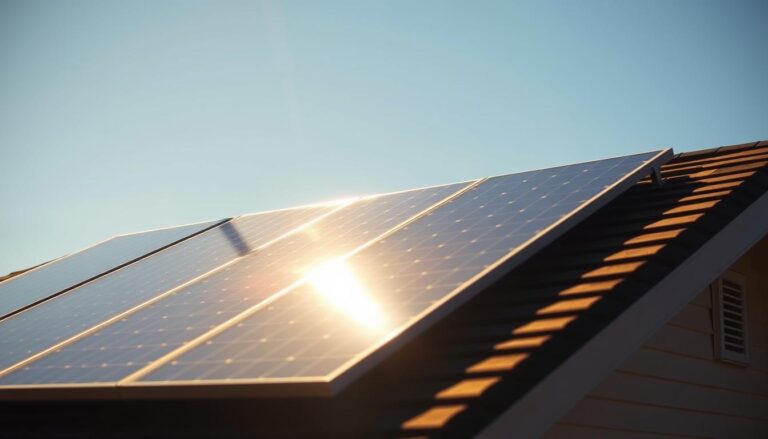
Pensacola’s business scene is booming, from law firms and marketing agencies to dental practices and professional offices. But with rising electricity costs and summer demand peaks, many small-business owners are asking the same question:
💡 “Would solar actually save me money, or is it just for big companies?”
The truth is, commercial solar isn’t just for large facilities or factories anymore. In Pensacola, small offices and retail spaces are now finding that the right solar setup can cut monthly bills, reduce demand charges, and generate a healthy return on investment (ROI), all while showcasing environmental responsibility to customers.
In this guide, we’ll explain exactly how that works, and what business owners in Pensacola need to know about demand charges, time-of-use (TOU) rates, and solar ROI in 2025.
Solar Cost Calculator – Florida Panhandle Only
* Estimate based on $3.25 per watt for solar installation.
* For Tesla Powerwall 3 Batteries, $15,000 for the first battery, $12,000 for each additional battery.
* Other variations and types of Batteries are available.
Understanding Your Business Energy Bill
Before exploring solar savings, it’s important to know what drives your electricity costs as a small business in Northwest Florida.
Typical commercial bills from Florida Power & Light (FPL) or Gulf Power (now part of FPL) include three main charges:
| Component | Description | Typical Share of Bill |
|---|---|---|
| Energy Usage (kWh) | Cost of total electricity consumed | 60–70% |
| Demand Charges (kW) | Highest 15-min usage spike during billing cycle | 20–30% |
| Fixed Fees & Riders | Service, taxes, storm surcharges, etc. | 10% |
Demand Charges Explained
Demand charges are based on your highest power draw (kW) at any point in the month, even if it happens for only 15 minutes.
For example:
- If your office uses 50 kWh total in a day, but spikes to 25 kW at 2 PM (when all A/C units, lights, and computers are on), your bill reflects that peak.
- You’ll pay an extra fee for that “demand event.”
That’s where solar, especially with battery storage, can dramatically help.
How Solar Offsets Small-Business Energy Use
Pensacola’s sunny climate makes it a prime candidate for commercial solar systems. With an average of 5.3 peak sun hours per day and net metering available under FPL, small businesses can offset most of their daytime energy use directly from solar panels.
Typical Setup
| Business Type | System Size | Roof Area Needed | Monthly Bill Offset |
|---|---|---|---|
| Small office (1,500–3,000 sq ft) | 15–25 kW | 1,200–2,000 sq ft | 70–90% |
| Medical or dental office | 25–35 kW | 2,000–2,800 sq ft | 70–85% |
| Retail or restaurant | 30–50 kW | 2,500–4,000 sq ft | 60–80% |
The average small office system in Pensacola costs between $35,000–$70,000 (before incentives) and generates $5,000–$9,000 in annual savings.
Solar + Battery = Demand Charge Reduction
Adding battery storage to a commercial solar system helps smooth out demand spikes, the biggest hidden cost on business energy bills.
How It Works
- Solar panels generate energy during the day.
- The battery stores excess power.
- When usage spikes (e.g., afternoon A/C surge), the battery discharges instead of pulling from the grid.
This keeps your demand level consistent, lowering both your kWh cost and demand charges.
Example ROI
A 25 kW solar array + 20 kWh battery system for a small office in Pensacola:
- Upfront cost: ~$65,000
- Federal tax credit (30%): -$19,500
- Estimated FPL bill savings: $7,200/year
- ROI: 8–9 years
- System life: 25+ years
After the payback period, your office effectively enjoys nearly free daytime power for the next 15 years.
Time-of-Use (TOU) Optimization in Pensacola
Some commercial customers qualify for Time-of-Use (TOU) rate structures, where electricity costs more during “peak hours” (afternoons) and less during “off-peak” times (evenings or weekends).
Solar production naturally aligns with peak hours (9 AM–4 PM), meaning your panels directly offset the most expensive electricity.
TOU Example – Small Office Rate
| Time Period | FPL Rate ($/kWh) | Solar Output Impact |
|---|---|---|
| 9 AM – 4 PM (Peak) | $0.21 | Solar covers 80–100% |
| 4 PM – 9 PM (Mid) | $0.16 | Partial solar + stored battery power |
| 9 PM – 6 AM (Off-Peak) | $0.12 | Battery covers lights/security systems |
Even without a battery, your solar array can significantly reduce on-peak grid consumption, lowering your effective blended energy rate.
Pro tip: Ask your utility if your office qualifies for a TOU pilot program. Combining TOU with solar maximizes your ROI.
Federal & State Incentives for Small Businesses
Solar installation costs in Florida remain among the lowest in the U.S. and incentives make them even more attractive for small-business owners.
1. Federal Investment Tax Credit (ITC)
- 30% credit on total project cost (equipment + labor).
- Available through 2032 under the Inflation Reduction Act.
- Can be carried forward if not fully used in the first year.
2. Accelerated Depreciation (MACRS Bonus)
Businesses can depreciate up to 85% of project cost in year one, saving thousands in taxes.
3. Local Grants & Loans
Check with the Florida Solar Energy Center (FSEC) and Emerald Coast Utilities Authority (ECUA) for regional grants or financing programs for energy efficiency and renewable installations.
4. Net Metering
Under FPL’s program, you earn credit for any excess energy your solar system sends to the grid, reducing your total annual utility costs even more.
Financing Options for Small Businesses
If cash flow is a concern, there are flexible ways to finance a solar project without large upfront costs.
| Option | Description | Ideal For |
|---|---|---|
| Cash Purchase | Pay upfront, keep all incentives | High-liquidity businesses |
| Solar Loan | Fixed-rate loan, payback via bill savings | Most small offices |
| Lease / PPA | Pay per kWh generated | Non-owners or tenants |
| C-PACE Financing | Property-Assessed Clean Energy program | Commercial property owners |
Many Pensacola installers now offer $0-down commercial solar loans that match monthly payments to your existing utility costs, meaning you pay no more than you already do, while gaining long-term savings.
ROI Snapshot: Small Office Example in Pensacola
| Parameter | Value |
|---|---|
| System Size | 25 kW |
| Upfront Cost | $55,000 |
| Federal ITC | -$16,500 |
| MACRS Tax Savings | -$10,000 |
| Net Cost | $28,500 |
| Annual Bill Savings | ~$6,000 |
| Payback Period | 5–6 years |
| 25-Year Lifetime Savings | $90,000–$120,000 |
Even conservative models show 15–20% annual ROI for small-business solar in Pensacola, far outperforming typical investment returns or equipment leases.
Choosing the Right Commercial Solar Installer
When selecting a solar provider for your office, prioritize experience with small commercial projects and familiarity with Gulf Coast conditions (heat, salt air, and hurricane wind codes).
Look for:
- Florida Certified Solar Contractor (CVC license)
- Proven PE-stamped engineering drawings
- FBC and ASCE 7-16 compliance for wind zones (up to 160 mph)
- Warranties: 25 years for panels, 10–15 years for inverters
- Optional maintenance contracts or monitoring software
Reputable installers will also perform a demand profile analysis, studying your historical energy data to right-size the system for peak reduction and maximum ROI.
Maintenance & Monitoring
Commercial solar systems require minimal upkeep, but ongoing monitoring helps maintain performance and ensure billing accuracy.
Typical Maintenance Plan
| Task | Frequency | Cost |
|---|---|---|
| Panel cleaning | 2–3 times per year | $250–$400 |
| Electrical inspection | Annually | $150–$250 |
| Software monitoring | Continuous | Included |
| Battery diagnostics | Every 6–12 months | Optional |
Cloud-based monitoring apps (like SolarEdge or Enphase Enlighten) let you track real-time production, spot underperforming panels, and verify monthly savings.
Environmental & Marketing Benefits
Going solar isn’t just about saving money, it’s about strengthening your brand.
- 🌿 Eco-conscious branding: Customers increasingly prefer businesses powered by renewable energy.
- 📈 LEED points and certifications: Earn sustainability credits for your building.
- 🏢 Tenant attraction: Lower operating costs and green credentials attract higher-value tenants or buyers.
Many Pensacola offices now feature lobby monitors displaying live solar production data, reinforcing their sustainability story to clients and visitors.
What About Hurricane Safety?
Fort Walton Beach, Pensacola, and nearby Gulf towns face hurricane risks each year — but modern commercial solar systems are engineered for it.
- Mounting systems are rated for 150–160 mph winds.
- Ballasted or anchored systems prevent roof penetration leaks.
- Battery systems provide emergency power during outages.
For added protection, choose installers that provide Florida Product Approval (FPA) or Miami-Dade NOA-certified components.
Future-Proofing with Smart Energy Management
Pensacola’s commercial energy landscape is evolving, and small businesses can stay ahead by combining solar with energy management technologies.
Integrate your solar system with:
- Smart thermostats (Nest, Ecobee) for automatic demand reduction.
- Battery software that predicts and discharges during peak hours.
- EV chargers for staff or clients powered by solar energy.
These tools optimize energy use, reduce TOU penalties, and create measurable sustainability metrics for reporting or branding.
Key Takeaways
- Pensacola small businesses can save 20–40% on electricity with solar.
- Demand charges are a major opportunity for savings when paired with batteries.
- Time-of-Use optimization helps maximize daytime solar production value.
- Payback averages 5–8 years, with 25-year returns often exceeding $100,000.
- Systems are hurricane-rated and low-maintenance.
Solar is no longer a corporate luxury, it’s a smart financial tool for small offices, retailers, and service providers along the Gulf Coast.
Final Word
For Pensacola’s small-business community, going solar means more than sustainability, it’s about control. Control over costs, outages, and long-term overhead.
With stable incentives, predictable ROI, and proven durability in Florida’s climate, commercial solar in Pensacola offers small businesses the freedom to grow profitably under the same sun that powers the Panhandle every day.
