Solar guides for Panhandle homeowners
Panels, batteries, roofs, hurricanes, bills and maintenance, written by the crew that installs and services them.
Selling a Home With Solar Panels in Florida: Owned, Financed or Leased
You can sell a Florida home with solar panels, and the process is simplest when the system is owned outright. If the panels are financed with a loan, that balance usually has to be paid off or dealt with at closing. If they are leased, the lease generally has to be...
Space Heater Electricity Cost: What It Adds to a Panhandle Winter Bill
A typical plug-in space heater draws up to 1,500 watts, which means it uses about 1.5 kilowatt-hours (kWh) for every hour it runs on high. Run one all night on a cold Panhandle evening and it can add 10 kWh or more to your bill in a single day. Whether that is a smart...
Solar Panels on a Detached Garage, Shop or Barn: What to Check
Yes, a detached garage, workshop or barn can often carry a solar array, and sometimes it is a better spot than the house roof. Whether it works for your property comes down to four things: whether the building is structurally sound enough for panels and Panhandle wind...
How Much Do Christmas Lights Add to Your Electric Bill?
For most Florida Panhandle homes, holiday lights add anywhere from a couple of dollars to a noticeable chunk of the December electric bill. Where you land depends mostly on two things: whether your lights are LED or incandescent, and how many hours a day they stay on....
Secondary Water Barrier on Florida Roofs: What It Is and When to Add One
A secondary water barrier is a sealed layer under your roof covering that keeps rain out of the house if shingles, tiles or metal panels are torn off in a storm. On a Florida Panhandle home, it is one of the most practical roof upgrades you can make, and the best time...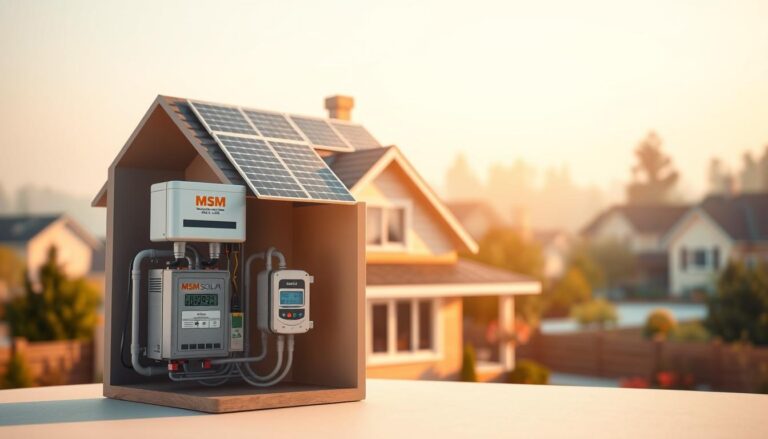
Budget Billing on Your Florida Electric Bill: Does It Help?
Budget billing spreads your yearly electricity cost into roughly even monthly payments. It does not lower the total you pay over a year. What it does is smooth out the jump between a mild spring bill and a July or August bill driven by air conditioning, so the...
Solar Panel Hot Spots and Snail Trails: What Panel Defects Look Like
Hot spots, snail trails, browning, delamination and cracked glass are the most common visible defects on solar panels. Some are cosmetic, while others reduce output or create a safety risk. If you can see a defect from the ground or in a photo, compare it with your...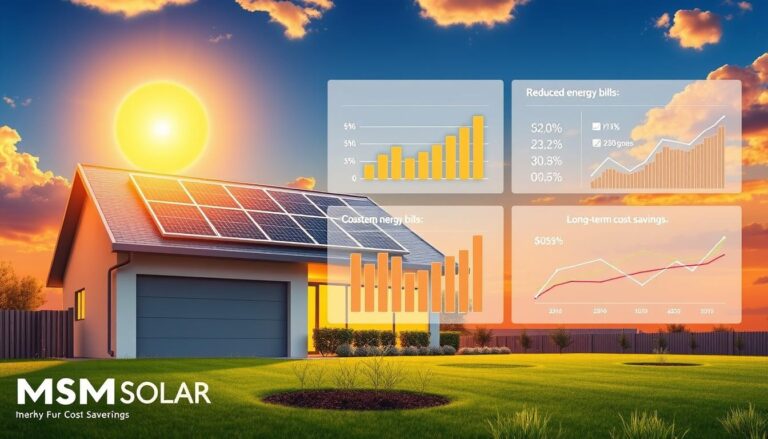
kW vs kWh: Understanding the Numbers on Your Electric Bill
A kilowatt (kW) measures how much power something draws at one moment; a kilowatt-hour (kWh) measures how much energy it uses over time. Your electric bill charges you mainly for kWh, while solar systems, generators and batteries are sized partly in kW. Knowing the...