



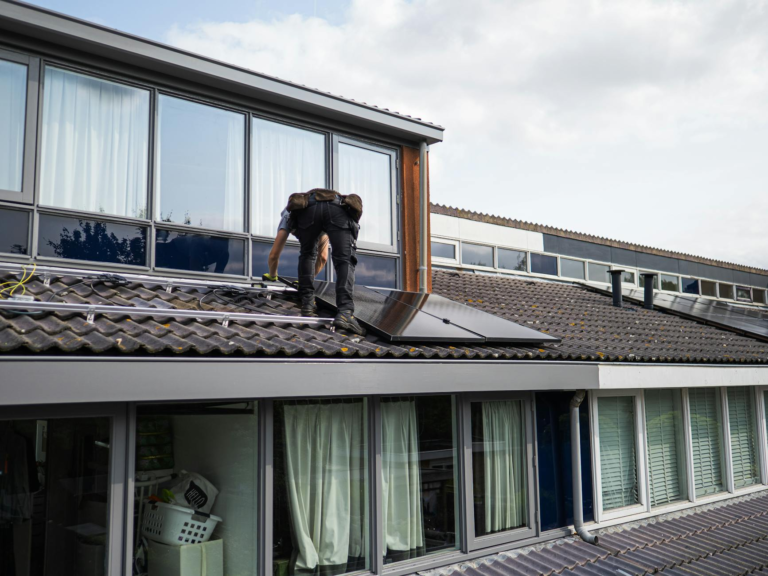
Understanding the Need for Solar Power Optimisers in Residential Installations
As solar energy continues to dominate the renewable landscape, homeowners across the Gulf Coast are investing in rooftop panels to cut electricity bills and reduce carbon footprints. Yet, not every solar system delivers its full potential straight out of the box. Factors such as roof orientation, shading from nearby trees, and the layout of panels can create mismatches between the sun’s energy and the electricity generated. This is where solar power optimisers homes become a game‑changer, allowing each module to operate at its peak regardless of the surrounding conditions. In regions like Pensacola and Tallahassee, where afternoon shade is common, optimisers can mean the difference between a modest return and a robust, reliable energy supply.
Find us here:
Solar Cost Calculator – Florida Panhandle Only
* Estimate based on $3.25 per watt for solar installation.
* For Tesla Powerwall 3 Batteries, $15,000 for the first battery, $12,000 for each additional battery.
* Other variations and types of Batteries are available.
What Exactly Are Solar Power Optimisers?
Solar power optimisers are small, intelligent devices attached to individual photovoltaic modules. Unlike traditional string inverters that treat an entire row of panels as a single unit, optimisers monitor voltage, current, and temperature at the module level. They adjust the operating point in real time, ensuring that each panel extracts the maximum possible wattage from the sunlight it receives. When a panel is partially shaded or soiled, the optimiser isolates the issue, preventing the “weakest link” effect that can drag down the performance of the entire string. The result is a smoother, higher overall energy yield and better compatibility with modern smart‑grid technologies.
Why Some Homes Benefit More Than Others
Not every rooftop faces the same challenges. A home with a south‑facing roof, minimal tree cover, and a clear line of sight to the sun throughout the day often sees strong performance even without optimisation technology. Conversely, homes that have east‑ or west‑facing roofs, multiple roof angles, or are surrounded by mature foliage experience frequent shading events. In such cases, the presence of solar power optimisers homes can dramatically improve output because each panel can adapt to its micro‑environment. The key is recognizing that shading isn’t just a cosmetic issue; it directly reduces the voltage of affected panels, which, without optimisation, can reduce the output of the entire string by up to 30 percent.
Shading: The Silent Energy Thief
Shading can be static, such as a permanent overhang, or dynamic, like passing clouds and moving foliage. In Pensacola, the subtropical climate encourages rapid growth of palm trees and large oak canopies that cast long shadows during the hottest part of the day. Even a small branch crossing a single panel can cause a disproportionate loss of power because traditional inverters limit the current of the entire string to match the weakest panel. Optimisers mitigate this by allowing each panel to operate independently, so a partially shaded module continues to produce at its reduced capacity while the rest of the system runs at full strength. This technology is particularly valuable for homes situated on narrow streets where neighboring structures create additional shading.
Geographic Hotspots: Pensacola and Tallahassee
Both Pensacola and Tallahassee enjoy abundant sunshine, but their micro‑climates differ enough to affect solar performance. Pensacola’s coastal location brings higher humidity and occasional sea breezes that can encourage moss growth on panels, while Tallahassee’s inland setting sees more frequent thunderstorms that generate rapid cloud cover. In each city, many residential neighborhoods feature mature trees that were planted decades ago, now towering over newer solar installations. For homeowners in these areas, the decision to incorporate solar power optimisers homes often hinges on the desire to future‑proof their investment against evolving shading patterns and seasonal weather changes.
Roof Orientation and Layout Considerations
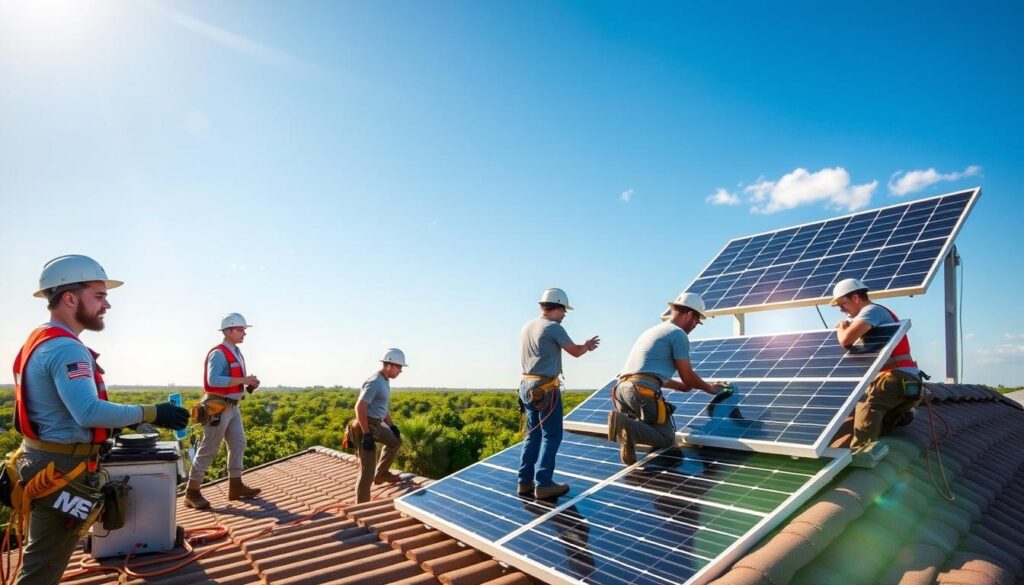
The angle and direction of a roof are critical determinants of solar potential. South‑facing roofs capture the most sunlight throughout the year, while east‑ and west‑facing roofs receive strong morning or afternoon sun but may suffer from lower overall irradiance. Multi‑pitch roofs, common in historic neighborhoods, can cause some panels to be oriented away from the optimal angle, creating pockets of reduced output. When panels are installed on such complex roofs, the likelihood of mismatch losses rises, making solar power optimisers homes an essential component to balance the system and ensure each module contributes effectively.
Identifying When Optimisers Are Worth the Investment
- Visible shading from trees, chimneys, or neighboring structures for more than 10 % of the day.
- Multiple roof angles or orientations that prevent a uniform panel layout.
- Older installations where panels were added after the original system was designed.
- Desire for higher energy production to meet increased household demand (e.g., electric vehicles, home office equipment).
- Plans to expand the system in the future, requiring flexible module management.
Performance Comparison: Standard vs. Optimised Systems
| Metric | Standard String Inverter | Optimiser‑Equipped System |
|---|---|---|
| Average Daily Yield (kWh) | 22.5 | 27.8 |
| Shade‑Induced Losses | Up to 30 % | 5–10 % |
| System Monitoring Granularity | String level | Module level |
| Potential ROI Increase | 5–7 % | 12–15 % |
The table above illustrates how integrating optimisers can boost overall production, especially in environments where shading is intermittent. By converting module‑level data into actionable insights, homeowners gain a clearer picture of which panels are underperforming and why. This transparency not only aids in maintenance but also supports more accurate financial modeling, demonstrating that the modest upfront cost of optimisers can be recouped within a few years through increased energy savings.
Financial Benefits and Incentives
Beyond the technical advantages, solar power optimisers can enhance the economic case for residential solar. Many utility companies and state programs in Florida offer performance‑based incentives that reward higher system outputs. When a home consistently exceeds its projected generation, owners may qualify for additional rebates or accelerated depreciation under the Modified Accelerated Cost‑Recovery System (MACRS). Moreover, higher production translates directly into lower utility bills, which is particularly appealing for families with growing energy needs. In the long run, the increased return on investment (ROI) can offset the initial purchase and installation costs of the optimisers, making them a financially sound addition for many households.
Technical Considerations Before Installation
Before adding optimisers, it’s essential to conduct a thorough site assessment. Certified installers should use shading analysis tools, such as solar pathfinders or drone‑based imaging, to map out potential obstructions throughout the year. This data helps determine the optimal placement of each optimiser and whether any additional hardware, like a compatible inverter, is required. Compatibility is another key factor; not all inverters support optimiser communication protocols, so selecting a system that integrates seamlessly with your existing equipment is crucial. When done correctly, solar power optimisers homes can be retrofitted into older installations without extensive rewiring, preserving the original design while unlocking new performance gains.
Installation Best Practices
Professional installation ensures that optimisers are mounted securely and wired according to manufacturer specifications. The devices should be placed as close to the module’s junction box as possible to minimize voltage drop. Additionally, installers must verify that the optimiser’s firmware is up to date, as manufacturers often release performance enhancements and security patches. Proper grounding and adherence to local electrical codes are non‑negotiable, especially in hurricane‑prone regions like Pensacola where robust mounting can prevent damage during high winds. Once installed, the system should be calibrated through the monitoring platform to confirm that each panel is reporting accurate data.
Maintenance and Long‑Term Reliability
Optimisers are designed to operate with minimal maintenance, but periodic checks are advisable. Homeowners should inspect the modules and optimiser housings for signs of corrosion, especially after salt‑air exposure in coastal areas. Cleaning the panels regularly ensures that dirt and bird droppings do not compound shading losses. Monitoring software will flag any underperforming modules, allowing for timely troubleshooting. Because optimisers add an extra electronic component to each panel, selecting reputable brands with proven warranty terms (often 10‑12 years) provides peace of mind and protects the overall system’s longevity.
In summary, while all homes can benefit from solar energy, those with complex roof designs, significant shading, or plans for future expansion stand to gain the most from solar power optimisers homes. By addressing the nuances of panel‑level performance, optimisers unlock higher yields, improve financial returns, and future‑proof residential solar installations against evolving environmental conditions.
