



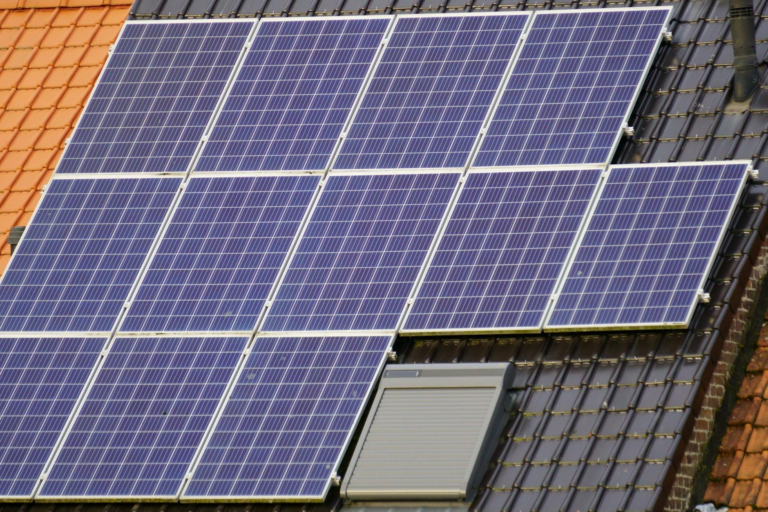
Why Evening Energy Use Matters for Solar Owners
When a homeowner installs a photovoltaic (PV) system, the most common expectation is that the panels will offset a large portion of the monthly electricity bill. However, the timing of when electricity is consumed can be just as important as the total kilowatt‑hours (kWh) used. In the Gulf Coast region, especially around Pensacola and Panama City, many households see a spike in electricity demand after the sun sets. This “evening energy usage solar” pattern can dramatically affect how quickly a system pays for itself, the size of any net‑metering credits, and the overall return on investment.
Find us here:
Solar Cost Calculator – Florida Panhandle Only
* Estimate based on $3.25 per watt for solar installation.
* For Tesla Powerwall 3 Batteries, $15,000 for the first battery, $12,000 for each additional battery.
* Other variations and types of Batteries are available.
Defining Evening Energy Usage
Evening energy usage refers to the electricity consumed between roughly 6 p.m. and 11 p.m. During these hours, families often run appliances such as dishwashers, washing machines, and electric water heaters, while also using lighting, televisions, and climate‑control devices. In hot, humid climates like those found in Florida’s Panhandle, air‑conditioning may continue well into the night, extending the peak demand window. Understanding this pattern is the first step in evaluating how evening energy usage solar systems interact with utility rate structures and net‑metering policies.
Solar Production Peaks vs. Evening Demand
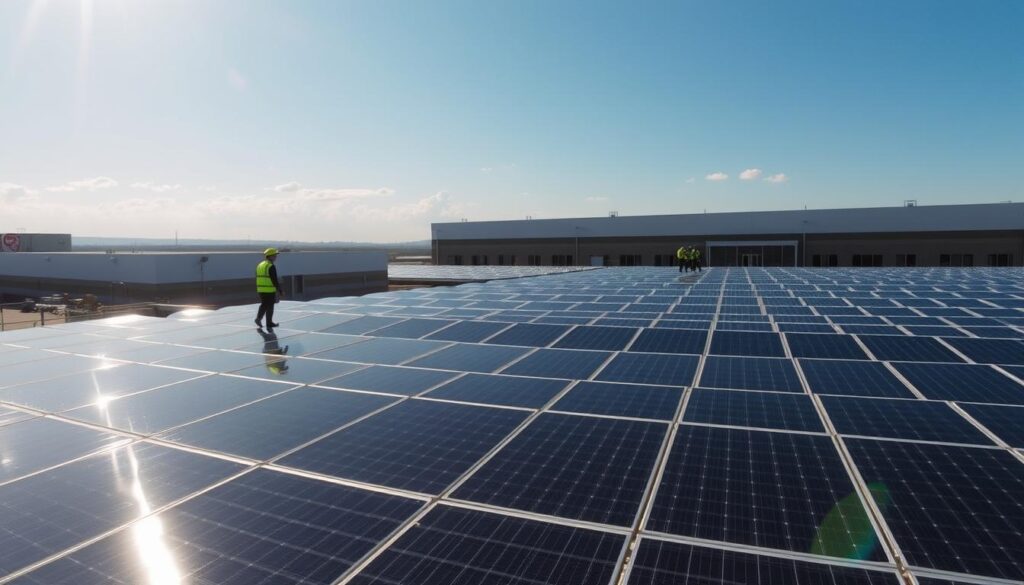
Solar panels generate the most electricity when the sun is highest in the sky—typically between 10 a.m. and 2 p.m. After that, production begins a steady decline, and by sunset the output drops to near zero. This natural mismatch means that the energy generated during daylight hours often exceeds the immediate needs of the home, creating a surplus that is sent back to the grid. When that surplus is later consumed during the evening, it is credited through net‑metering, but the value of those credits can vary based on the utility’s tariff design.
Homeowners who have a high evening energy usage solar profile may find that a significant portion of their savings comes from the credit they receive for exporting daytime power, rather than directly offsetting the evening load. If the utility’s buy‑back rate is lower than the retail rate, the economic benefit of those exported kilowatt‑hours diminishes, extending the payback period for the solar installation.
Net Metering and Time‑of‑Use Rates
Many Florida utilities have moved toward time‑of‑use (TOU) pricing, where electricity costs more during peak demand periods—often coinciding with the evening hours. In a TOU environment, the value of evening energy usage solar credits can be higher if the utility offers a “peak‑hour” credit multiplier. However, not all utilities provide such incentives, and some simply apply a flat credit equal to the wholesale rate, which is typically lower than the retail rate paid by customers.
To illustrate, consider a household in Pensacola that generates 800 kWh per month but uses 300 kWh of that energy during the evening. If the utility’s TOU structure applies a 1.5 × multiplier for evening credits, the homeowner effectively receives a larger credit for the 300 kWh exported during daytime, reducing the overall cost of that evening consumption. Conversely, without a multiplier, the homeowner pays the full retail rate for the evening load, eroding the savings that evening energy usage solar could otherwise provide.
Regional Insights: Pensacola vs. Panama City
Although both cities share a similar climate, subtle differences in utility policies and typical household schedules influence how evening energy usage solar impacts savings. In Pensacola, the primary utility offers a modest TOU program with a 0.8 × credit for daytime export and a 1.2 × credit for peak‑hour export. Panama City’s utility, on the other hand, provides a flat net‑metering rate but applies a higher demand charge during evening peak hours, which can increase the cost of evening consumption.
These variations mean that a solar system sized solely on annual kWh production may not be optimal for every homeowner. In Pensacola, a slightly larger system that generates excess daytime power can capture the higher peak‑hour credit, while in Panama City, investing in load‑shifting technologies such as smart thermostats or timed appliance controls may be more cost‑effective.
Strategies to Align Load with Solar Production
- Install a programmable or smart thermostat to pre‑cool the home during daylight hours, reducing the need for evening air‑conditioning.
- Use timers on dishwashers, washing machines, and pool pumps to run them during the day when solar output is high.
- Upgrade to LED lighting, which consumes less power and can be dimmed automatically at night.
- Consider a battery storage system to capture excess daytime generation for use during the evening.
- Take advantage of utility demand‑response programs that reward reduced evening consumption.
Each of these tactics helps to flatten the evening energy usage solar curve, allowing homeowners to retain more of the value generated by their PV system. While batteries represent a larger upfront cost, they provide the most direct way to store surplus electricity for later use, effectively turning the evening load into a self‑supply scenario.
Financial Modeling: Calculating the True Savings
Accurate financial modeling requires incorporating the evening energy usage solar pattern into the cash‑flow analysis. Key variables include:
- Average daily kWh produced by the PV system.
- Percentage of total consumption that occurs after sunset.
- Utility’s net‑metering credit rate (flat vs. TOU multiplier).
- Demand charges applied to evening peaks.
- Potential savings from load‑shifting measures.
By applying these inputs to a spreadsheet or solar‑financial calculator, homeowners can estimate the payback period, internal rate of return (IRR), and net present value (NPV) of their investment. In many cases, adjusting the evening consumption profile can shave months—or even years—off the expected payback timeline.
Simple Comparison of Evening Load Scenarios
| Scenario | Average Evening kWh (kWh/month) | Net‑Metering Credit ($/kWh) | Estimated Monthly Savings |
|---|---|---|---|
| Baseline (no load shift) | 300 | 0.08 | $24 |
| Load shifted to daytime | 150 | 0.08 | $48 |
| Battery storage (50 kWh) | 100 | 0.15 (self‑used) | $65 |
The table above illustrates how reducing evening consumption—or storing excess solar—can double or even triple the monthly savings for a typical home in the Pensacola‑Panama City corridor. While the exact numbers will vary based on system size and utility rates, the trend is clear: evening energy usage solar dynamics are a decisive factor in financial outcomes.
Practical Tips for Homeowners
1. **Audit Your Evening Load** – Use a smart meter or plug‑in energy monitor to identify which appliances consume the most power after sunset.
2. **Schedule Smartly** – Set dishwashers and laundry machines to run during daylight hours, preferably when the sun is strongest.
3. **Optimize HVAC** – Pre‑cool or pre‑heat your home in the morning, then let the thermostat maintain a comfortable temperature overnight.
4. **Consider Battery Incentives** – Check for state or utility rebates that can offset the cost of a storage system.
5. **Stay Informed on Rate Changes** – Utilities periodically adjust TOU periods and credit rates; staying current can help you adapt your strategy.
Future Outlook: How Emerging Technologies May Shift Evening Patterns
As electric vehicle (EV) adoption rises, many households will see a new source of evening demand: charging after work. This could further strain the evening energy usage solar balance unless managed with smart charging schedules that align with solar production or battery availability. Additionally, the rollout of community solar projects and virtual net‑metering may allow residents who cannot install rooftop panels to benefit from collective generation, smoothing out individual evening consumption spikes.
Utility companies are also experimenting with dynamic pricing models that reward real‑time reductions in evening load. Homeowners who invest early in automation and storage may find themselves positioned to take advantage of these programs, turning the evening energy usage solar challenge into a competitive advantage.
Conclusion
Evening energy usage solar patterns are a pivotal piece of the puzzle when assessing the true financial benefits of a photovoltaic system in Pensacola and Panama City. By understanding the timing of consumption, leveraging TOU credits, and employing load‑shifting or storage solutions, homeowners can significantly improve their solar savings and shorten the payback period. Monitoring evening demand, staying adaptable to utility rate changes, and embracing emerging technologies will ensure that solar investments continue to deliver value well into the future.
