



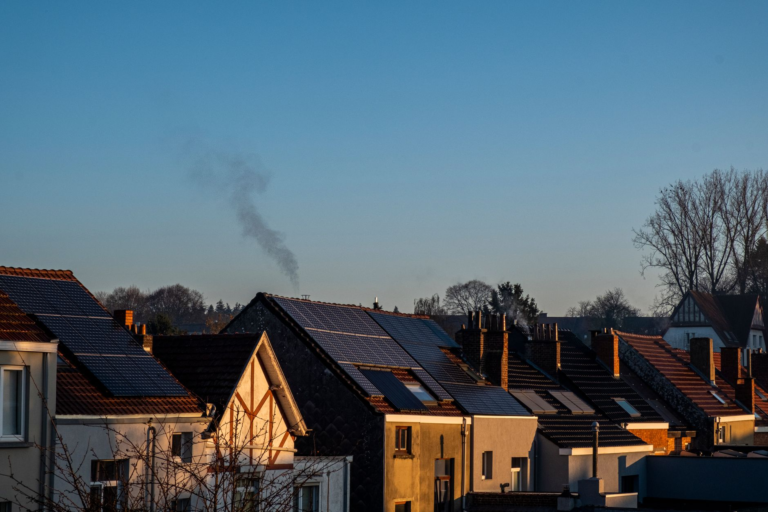
Why Smart Home Energy Planning Matters Today
Across the Gulf Coast, households in Pensacola, Panama City, and Tallahassee are embracing connected devices at a record pace. This surge isn’t just about convenience; it’s reshaping how families think about electricity, heating, and cooling. When a home can automatically adjust its thermostat, dim lights based on natural daylight, or alert owners to a leaky faucet, the cumulative impact on the electric bill becomes significant. That is the essence of smart home energy planning: using data, automation, and real‑time feedback to make informed decisions that lower consumption, improve comfort, and reduce carbon footprints. In the sections that follow, we’ll explore the technologies driving this change, the measurable benefits for everyday users, and the strategic steps homeowners can take to turn a connected house into a savings engine.
Find us here:
Solar Cost Calculator – Florida Panhandle Only
* Estimate based on $3.25 per watt for solar installation.
* For Tesla Powerwall 3 Batteries, $15,000 for the first battery, $12,000 for each additional battery.
* Other variations and types of Batteries are available.
The Building Blocks of Modern Smart Homes
At the core of any connected residence are a handful of interoperable devices that speak a common language—usually the Internet of Things (IoT) protocol. Smart thermostats, for example, learn occupants’ schedules and adjust heating or cooling accordingly, while energy‑monitoring plugs track the wattage of individual appliances. Sensors that detect occupancy, humidity, and even window position feed data into a central hub, allowing the system to make context‑aware choices. When these components are linked through a robust home network, they form the foundation for comprehensive smart home energy planning, enabling homeowners to see exactly where power is used and where savings can be realized.
Key Devices That Enable Energy Decisions
- Smart thermostats – adaptive temperature control based on occupancy and weather forecasts.
- Smart lighting – dimmable LEDs that adjust brightness automatically.
- Energy‑monitoring plugs – real‑time wattage readouts for appliances.
- Leak detectors – early warnings that prevent water‑related energy waste.
- Home energy dashboards – centralized interfaces that visualize consumption trends.
Each of these gadgets contributes a piece of the puzzle. When integrated, they allow a homeowner to set overarching goals—such as reducing peak‑hour demand or achieving a 20 % reduction in annual electricity use—and then let the system execute the plan with minimal manual intervention. This orchestration is the practical side of smart home energy planning, turning raw data into actionable strategies.
How Data Drives Smarter Energy Choices
The real power of a connected home lies in its ability to collect and analyze data continuously. Modern hubs aggregate information from thermostats, lighting, and plug‑in monitors, then apply machine‑learning algorithms to identify patterns. For instance, a system may notice that a dishwasher is frequently run during peak pricing hours and suggest shifting its operation to off‑peak times. By presenting these insights on a user‑friendly dashboard, homeowners can make informed decisions without needing a background in energy engineering. This data‑centric approach is a cornerstone of smart home energy planning, turning everyday habits into opportunities for cost savings and grid stability.
Beyond individual households, utilities are beginning to tap into aggregated smart home data to refine demand‑response programs. When a community of homes collectively reduces load during a heatwave, the grid experiences less strain, and participants often receive rebates or lower rates. In this way, personal smart home energy planning contributes to broader energy resilience, creating a win‑win scenario for consumers and providers alike.
Measurable Benefits for Homeowners
Quantifying the impact of connected devices is essential for convincing skeptics. Studies from the U.S. Department of Energy show that smart thermostats alone can cut heating and cooling expenses by up to 15 %. When combined with automated lighting and plug‑in monitoring, total household electricity use can drop between 10 % and 25 % depending on occupancy patterns and climate. For a typical family in Tallahassee spending $150 per month on electricity, these savings translate to roughly $180‑$360 annually—money that can be redirected toward home improvements or simply enjoyed as extra cash flow.
Environmental benefits accompany the financial upside. Reducing electricity demand lessens the need for fossil‑fuel generation, cutting greenhouse‑gas emissions. According to the EPA, a 20 % reduction in residential electricity use in a city the size of Pensacola could prevent the emission of over 30,000 metric tons of CO₂ each year—equivalent to planting more than 600,000 trees. These figures reinforce why smart home energy planning is not just a personal finance tool but also a meaningful contribution to climate goals.
Comparing Energy Use Before and After Smart Integration
| Metric | Traditional Home | Smart‑Enabled Home |
|---|---|---|
| Average Monthly Electricity Bill | $150 | $115 |
| Peak‑Hour Consumption (kWh) | 350 | 280 |
| Annual CO₂ Emissions (tons) | 1.8 | 1.4 |
The table above illustrates a typical scenario after implementing a comprehensive smart home energy planning strategy. By shifting loads, optimizing climate control, and eliminating phantom draws, households see a clear reduction in both cost and environmental impact. While results vary based on the specific devices and user behavior, the trend is consistently positive across the Gulf Coast region.
Strategic Steps for Effective Smart Home Energy Planning
Getting started with a connected home can feel overwhelming, but breaking the process into manageable phases simplifies adoption. Below is a roadmap that homeowners in Pensacola, Panama City, and Tallahassee can follow to ensure their investment delivers maximum return.
- Audit Existing Consumption: Use a smart plug or utility-provided data to identify the top energy‑intensive appliances.
- Prioritize High‑Impact Devices: Install a smart thermostat and LED lighting first, as they typically offer the biggest savings.
- Choose an Open Platform: Opt for hubs that support multiple brands (e.g., Apple HomeKit, Google Home, or Amazon Alexa) to avoid vendor lock‑in.
- Set Clear Goals: Define measurable targets such as “reduce monthly electricity bill by 15 % within six months.”
- Leverage Automation: Program schedules, geofencing, and occupancy sensors to execute your plan without daily manual input.
- Monitor and Adjust: Review dashboard reports monthly and fine‑tune settings based on real‑world performance.
Following this structured approach embeds smart home energy planning into daily life, turning technology from a novelty into a disciplined, results‑driven system.
Overcoming Common Challenges
Despite the clear advantages, several hurdles can slow adoption. First, the upfront cost of devices and installation may deter budget‑conscious families. However, many utilities in Florida now offer rebates or low‑interest financing for energy‑efficient upgrades, effectively reducing the net expense. Second, concerns about data privacy persist; choosing manufacturers with transparent policies and local data storage options can mitigate risks. Finally, technical complexity—especially when integrating devices from multiple brands—can be daunting. Engaging a certified installer or leveraging community forums in Panama City and Tallahassee often provides the needed guidance to smooth the setup process.
Addressing these obstacles ensures that smart home energy planning remains accessible to a wide audience, fostering broader adoption and amplifying collective benefits.
Looking Ahead: The Future of Energy‑Smart Homes
As renewable energy sources like rooftop solar become more common in the Gulf Coast, the role of smart home technology will expand beyond consumption management to include generation optimization. Future systems will likely coordinate with home battery storage, automatically deciding when to charge, discharge, or sell excess power back to the grid. Moreover, advances in AI will enable predictive maintenance—alerting homeowners to potential equipment failures before they cause inefficiencies. This evolution will deepen the synergy between individual households and the larger energy ecosystem, making smart home energy planning an integral component of a resilient, low‑carbon future.
For now, the most immediate steps are within reach: assess your current usage, invest in key smart devices, and start tracking results. The combination of technology, data, and intentional decision‑making is already reshaping how families across Pensacola, Panama City, and Tallahassee manage their energy bills and environmental impact.
Conclusion: Smart home technology is no longer a futuristic concept; it is a practical toolkit for smarter energy decisions today. By embracing smart home energy planning, homeowners can lower costs, reduce emissions, and contribute to a more stable grid—all while enjoying the convenience of an automated, responsive living environment.
