
Attic insulation in Florida does a different job from attic insulation up north. There, it keeps heat in. Here, it keeps heat out. On a July afternoon in Crestview or Marianna, the air in an attic can be far hotter than the air outside, and the only thing between that heat and your living room is a few inches of fluffy material on top of the ceiling. If that layer is thin, your air conditioner pays for it every hour of the day.
Solar Cost Calculator – Florida Panhandle Only
* Estimate based on $3.25 per watt for solar installation.
* For Tesla Powerwall 3 Batteries, $15,000 for the first battery, $12,000 for each additional battery.
* Other variations and types of Batteries are available.
How much attic insulation a Florida home needs
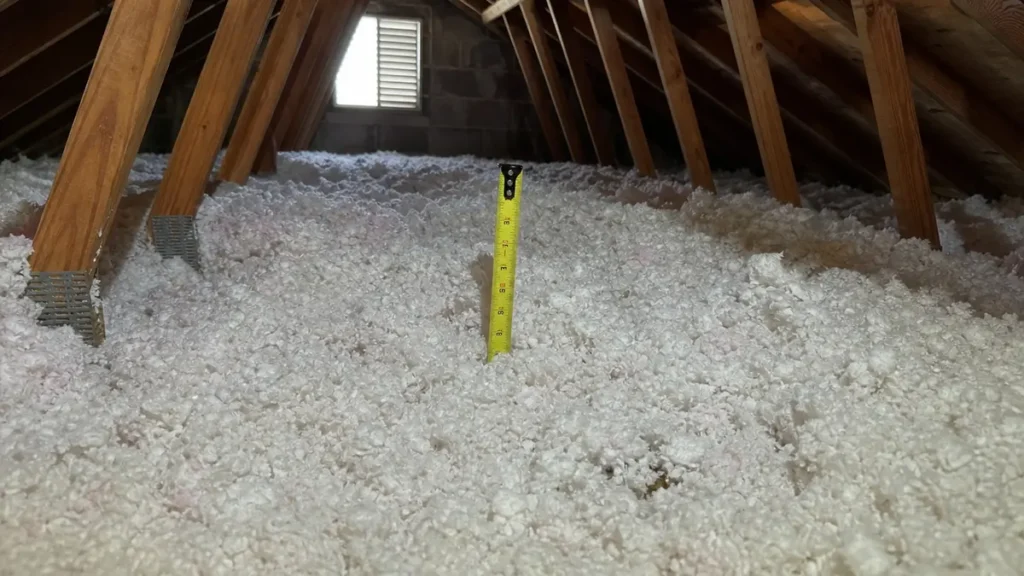
Insulation is rated by R-value: the higher the number, the more it resists heat flow. For the Panhandle's climate zone, current guidance for attics is in the range of R-38 to R-49, and R-38 is the level new Florida homes are built to. In blown fiberglass or cellulose, that is roughly 12 to 16 inches of depth.
Many homes built before the 2000s have R-19 or less, and what was installed has often settled or been pushed aside by years of cable and AC work.
A two-minute check you can do yourself
- Open the attic hatch early in the morning, when it is cool enough to look around safely.
- If you can see the tops of the ceiling joists, you almost certainly have less than you should.
- Push a ruler down to the ceiling drywall and note the depth in several places.
- Look for bare patches around recessed lights, the hatch itself and the edges near the eaves.
- Check that soffit vents are not blocked by insulation.
Types of attic insulation
| Type | Good for | Watch out for |
|---|---|---|
| Blown fiberglass | Topping up an existing attic quickly | Settles a little over time |
| Blown cellulose | Filling gaps around wiring and framing | Must stay dry |
| Fiberglass batts | Open joist bays in new work | Gaps and compression cut its performance |
| Spray foam on the roof deck | Bringing ductwork inside the cooled space | Higher cost; changes how the attic is ventilated |
| Radiant barrier | Reflecting heat from the roof deck in hot climates | Works with insulation, not instead of it |
Seal first, then insulate
Insulation slows heat but does not stop air. Before adding more, seal the gaps where conditioned air escapes into the attic: around plumbing stacks, wiring holes, the tops of interior walls, bath fans and the attic hatch. Then look at the ductwork. In most Panhandle homes the ducts run through the attic, and leaky or poorly insulated ducts can waste a large share of the cooling you are paying for. Sealing duct joints with mastic and making sure the duct wrap is intact is often the cheapest improvement in the whole house.
What it saves
Savings depend on what you start with. Going from R-11 to R-38 in a house with leaky ducts is a big change you will feel straight away: rooms hold temperature, the AC cycles less, and the upstairs or the back bedrooms stop running hot. Topping up from R-30 to R-38 is a smaller gain. Either way, the benefit is largest in the months when bills are highest.
For a clearer picture of where your power goes, see why homes with higher cooling demand often benefit more from solar and our guide to understanding your utility bill.
Do this before you size a solar system
Efficiency comes first for a simple reason: every kilowatt-hour you stop wasting is one you do not need to generate. A house with a well-insulated attic and tight ducts needs a smaller solar array to cover the same share of its bill, and a smaller array costs less. If you are thinking about solar in Milton, Marianna or Crestview, fix the attic, wait for a couple of bills, and then size the system on the new usage.
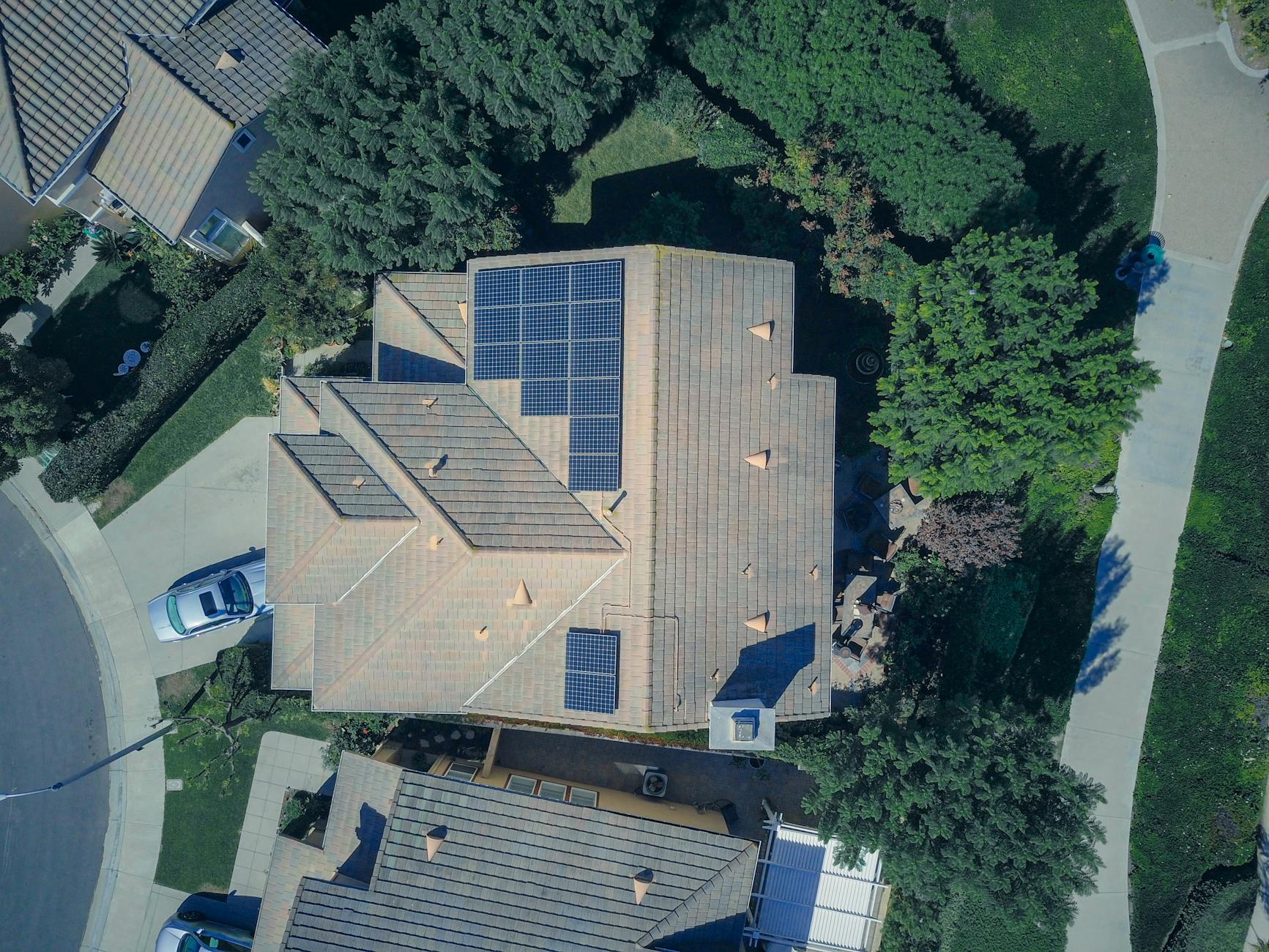
Solar panels help the attic too. An array shades the part of the roof it covers, so that section of roof deck runs cooler.
When you are ready, MSM Solar designs each system around your last twelve months of usage and not a template. Try the solar calculator for a quick estimate, or ask for a free site survey for a new installation.
Signs your attic insulation is not doing its job
- The ceiling feels warm to the touch on a summer afternoon.
- Upstairs rooms, or rooms at the end of a duct run, are several degrees hotter than the rest of the house.
- The air conditioner runs almost without stopping from noon to sunset.
- You can see the tops of the joists, or the insulation looks flat, gray and matted.
- There are trails or nests in the insulation. Rodents and squirrels flatten it and should be dealt with before you add more.
- The insulation is damp or stained, which points to a roof or AC condensate leak that has to be fixed first.
Doing it yourself or hiring it out
Topping up an open attic with blown insulation is within reach of a careful homeowner. Home centers lend the blowing machine when you buy the material, and two people can cover a typical attic in an afternoon. Work early in the morning, wear a respirator, long sleeves and eye protection, and step only on the joists. Keep insulation clear of recessed light fittings that are not rated for contact, and do not block the soffit vents; fit baffles at the eaves first.
Hire a contractor if the attic has low clearance, old wiring, signs of moisture, or ductwork that needs sealing at the same time. Spray foam is always a professional job. Ask any contractor to state the finished R-value and depth in writing, and to leave depth markers in the attic so you can check the work.
Ventilation and humidity
In the Gulf Coast climate a vented attic needs clear soffit and ridge or gable vents so that hot, damp air can escape. Adding insulation must not close those paths. If you ever see condensation on ductwork or mold on the underside of the roof deck, ask a professional to look at ventilation and duct insulation before you add anything.
Frequently asked questions
What R-value do I need for an attic in Florida?
Around R-38 is the usual target for the Panhandle, with guidance running up to R-49. If you have R-19 or less, topping up is worth pricing.
Is a radiant barrier worth it in Florida?
It can reduce the heat reaching the attic floor in a hot, sunny climate, particularly where ducts run through the attic. It adds to insulation and does not replace it.
Can I put new insulation on top of old?
Yes, provided the old material is dry and free of mold and pests. Use unfaced insulation on top so that moisture is not trapped.
Should I insulate before getting solar?
Ideally, yes. Lower usage means a smaller system covers the same share of your bill.
Conclusion
Aim for around R-38, seal air leaks and ducts before adding depth, and do the two-minute joist check to see where you stand. It is one of the lowest-cost upgrades a Panhandle homeowner can make, and it makes every later energy decision cheaper.
MSM Solar works with homeowners in DeFuniak Springs, Fort Braden, Fountain, Graceville and Greensboro, and in every town between Pensacola and Apalachicola.
Once the attic is sorted and your usage has settled, solar is the natural next step for cutting what you pay the utility. We size every system on your own twelve months of bills. Call MSM Solar at (850) 737-5197 or request a free quote, and we will call you back no later than two business days.