



Introduction
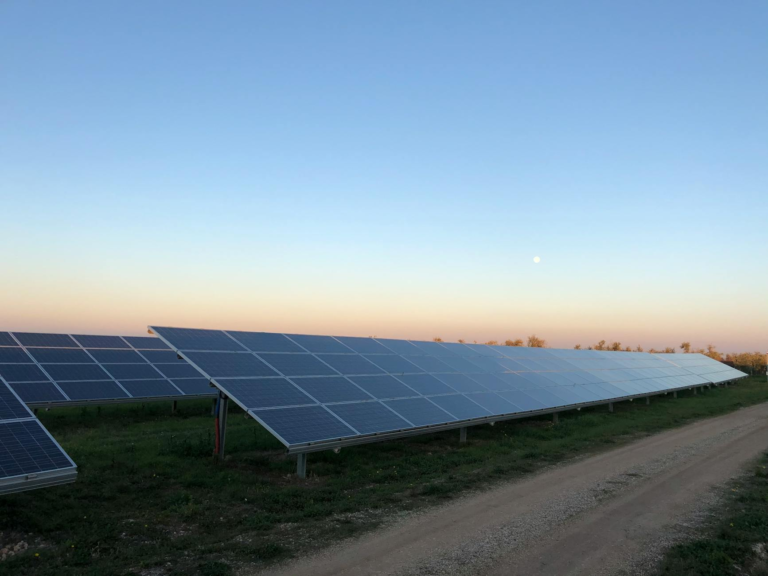
When the sun rises over the Florida Panhandle, not every rooftop begins to generate electricity at the same moment. Some homes start producing power within minutes of sunrise, while others wait longer for the light to hit the panels at a useful angle. This difference is more than a curiosity—it directly affects the amount of energy you can capture each day, especially during the valuable early morning hours. Understanding why early morning solar production varies from roof to roof helps homeowners make smarter decisions about panel placement, roof modifications, and overall system performance.
Find us here:
Solar Cost Calculator – Florida Panhandle Only
* Estimate based on $3.25 per watt for solar installation.
* For Tesla Powerwall 3 Batteries, $15,000 for the first battery, $12,000 for each additional battery.
* Other variations and types of Batteries are available.
The Basics of Solar Energy Generation
Solar panels convert sunlight into electricity through the photovoltaic (PV) effect. When photons strike the silicon cells, they knock electrons loose, creating a flow of current. However, the efficiency of this process depends on two critical factors: the intensity of the sunlight and the angle at which it strikes the panel. The sun’s rays are most effective when they hit the panel perpendicularly, delivering the maximum amount of energy per unit area. During the early morning, the sun sits low on the horizon, meaning the angle of incidence is shallow. Panels that are oriented or tilted to capture that low‑angle light will begin generating power sooner, boosting early morning solar production.
Why Roof Angle Matters
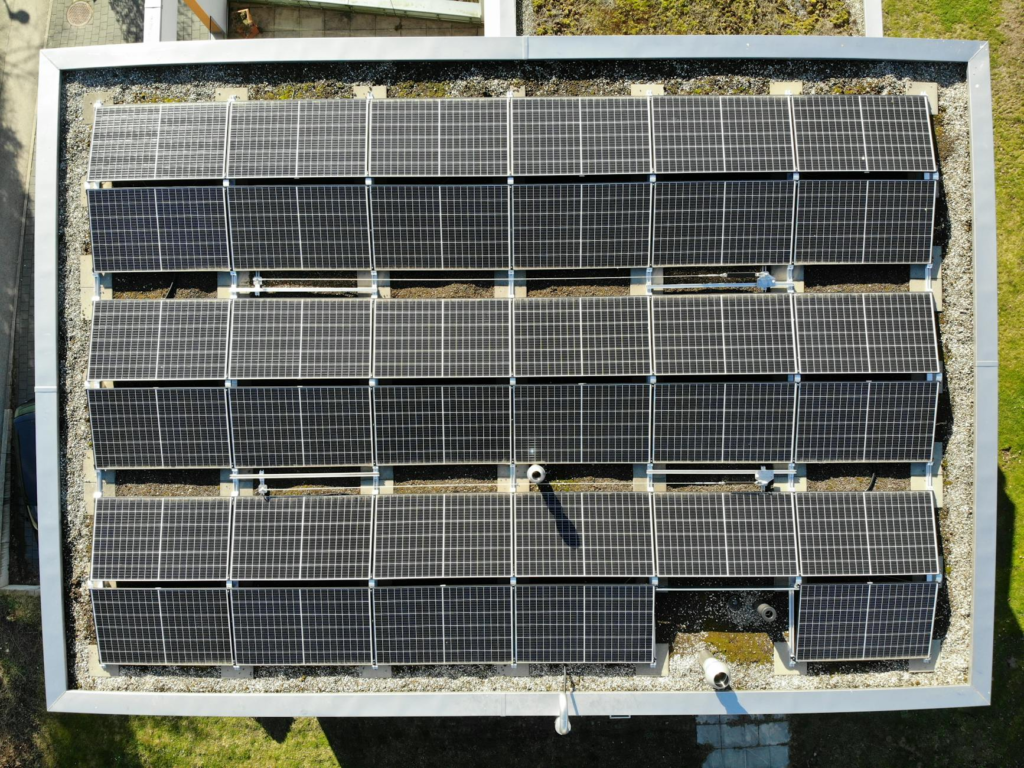
Roof pitch, measured in degrees, determines how steep a roof is. A steep roof (e.g., 30–45 degrees) aligns more closely with the sun’s path during midday, while a shallow roof (e.g., 5–10 degrees) can be advantageous in the early morning and late afternoon. In the Florida Panhandle, where the sun rises relatively low in the east, a roof with a modest tilt facing east can capture sunlight almost as soon as the horizon brightens. Conversely, a steeply pitched roof that faces south or west may not receive enough direct light until the sun climbs higher, delaying the start of early morning solar production.
Horizon Exposure and Roof Orientation
The direction a roof faces—its azimuth—plays a pivotal role in how quickly the panels receive sunlight. An east‑facing roof gets the first rays of sunrise, while a south‑facing roof catches the sun later, and a west‑facing roof may miss the early light entirely. In addition to orientation, the local horizon line can be obstructed by trees, hills, or neighboring structures. Even a slight blockage can cast a shadow that delays the moment sunlight reaches the panels, reducing the window for early morning solar production. Homeowners in coastal or flat areas often enjoy a clear horizon, whereas those in more built‑up neighborhoods may need to consider trimming vegetation or repositioning panels.
Geographic Latitude and Sun Path
The Florida Panhandle sits roughly between 30° and 31° north latitude. This position means the sun rises and sets at relatively low angles compared to locations farther north. The low‑angle sunrise results in a longer period where the sun’s rays strike roofs at a shallow incidence, extending the potential window for early morning solar production. However, latitude alone does not guarantee early output; the interaction with roof angle and orientation determines the actual performance. Understanding your exact latitude helps you calculate the optimal tilt for maximizing sunrise energy capture.
Seasonal Variations in Sun Angle
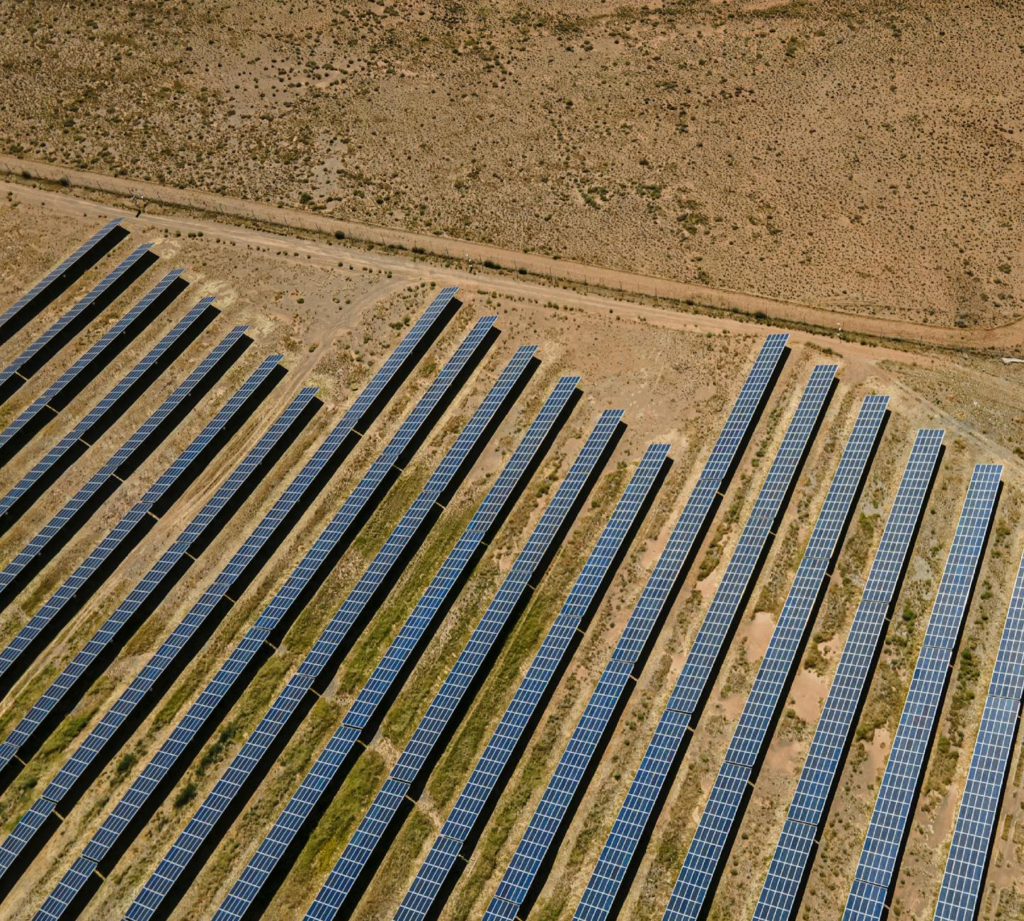
Throughout the year, the sun’s path shifts northward in summer and southward in winter. During summer, sunrise occurs higher in the sky, meaning even steep roofs can begin generating power relatively early. In winter, the sun rises much lower, making roof tilt and eastward orientation even more critical for capturing those first photons. Homeowners who install panels with a fixed tilt must balance year‑round performance, but many opt for a compromise angle that provides decent early morning solar production across seasons, typically around the latitude angle (≈30°) or slightly lower for a better winter start.
Obstructions and Their Shadow Effects
Even a small tree branch or a neighboring chimney can cast a shadow that wipes out the first hour of sunlight on a rooftop. Shadows are especially damaging during the early morning because the sun’s low angle makes shadows longer. A panel that loses just 30 minutes of direct sun can see a noticeable drop in daily energy yield, particularly in a region where electricity rates peak in the morning. Conducting a shade analysis—using tools like a solar pathfinder or smartphone apps—helps identify potential obstacles that could impede early morning solar production and guides corrective actions such as trimming foliage or adjusting mounting hardware.
Case Study: Two Roofs in the Florida Panhandle
Consider two neighboring homes on the same street in Tallahassee. House A has a shallow, east‑facing roof with a 10° pitch, while House B features a steep, south‑facing roof with a 35° pitch. On a clear spring morning, House A’s panels begin generating electricity at 6:15 a.m., just minutes after sunrise, whereas House B’s panels wait until 7:05 a.m. to reach their first meaningful output. Over a typical 30‑day month, that difference translates to roughly 45 extra kilowatt‑hours for House A, directly attributable to the roof’s angle and orientation. This real‑world example illustrates how small design choices can significantly influence early morning solar production.
Optimizing Early Morning Solar Production
To maximize the amount of power generated in the first hours after sunrise, homeowners should evaluate three primary variables: tilt, orientation, and shading. Adjusting the mounting system to lower the tilt by a few degrees can improve the angle of incidence during sunrise. If structural constraints prevent a major re‑tilt, using adjustable micro‑inverters or power optimizers can help each panel operate at its own optimum angle, mitigating the impact of sub‑optimal roof geometry. Additionally, strategic placement of panels on the east side of the roof, even if it means sacrificing a small portion of total roof area, often yields a net gain in early‑day energy.
Practical Tips for Homeowners
- Conduct a sunrise shadow analysis before installation.
- Prefer east‑facing panels for the earliest start of production.
- Consider a tilt angle 5°–10° lower than your latitude for better winter mornings.
- Trim trees or remove nearby obstructions that cast shadows before 9 a.m.
- Use micro‑inverters or power optimizers to compensate for uneven roof angles.
- Regularly clean panels to ensure maximum light absorption, especially in the low‑light early morning.
Financial Impact of Early Production
Many utility companies in the Panhandle offer time‑of‑use (TOU) rates, where electricity consumed during peak hours (typically 12 p.m. to 6 p.m.) costs more than power used in the early morning. By capturing more energy during the early morning, homeowners can offset a larger portion of their daytime consumption, reducing the amount of expensive grid electricity they need to purchase. In some cases, the extra kilowatt‑hours generated before 9 a.m. can shave off up to 10 % of an annual electricity bill, making the investment in optimal roof positioning financially worthwhile.
Common Questions About Early Morning Solar Production
- Does a steeper roof always produce more energy? Not necessarily. While a steep roof may capture more midday sun, a shallower, east‑facing roof often yields higher early‑day output.
- Can I tilt my panels after installation? Adjustable mounting rails allow for tilt changes, but structural considerations and local building codes must be reviewed.
- Do micro‑inverters improve early morning output? Yes, they allow each panel to operate at its own maximum power point, mitigating shading and angle issues.
- Is it worth trimming trees for a few extra morning kilowatt‑hours? If the trees cast shadows before 9 a.m., trimming can increase production and reduce utility costs.
Quick Reference Table
| Roof Feature | Effect on Early Morning Solar Production |
|---|---|
| East‑facing orientation | Starts generating within 15‑30 minutes of sunrise. |
| Steep south‑facing pitch | Delayed start, often 45‑60 minutes after sunrise. |
| Low horizon obstruction | Uninterrupted early light, maximizes output. |
| Shade before 9 a.m. | Reduces early output by up to 30 %. |
Conclusion
Early morning solar production is not a random occurrence; it is the result of careful alignment between roof angle, orientation, and the surrounding horizon. By understanding and optimizing these factors, homeowners in the Florida Panhandle can capture more of the sun’s first rays, boost their energy independence, and lower electricity costs. Whether you’re planning a new installation or looking to fine‑tune an existing system, paying attention to the nuances of roof geometry can make a measurable difference in the power you generate each day.
