



Introduction
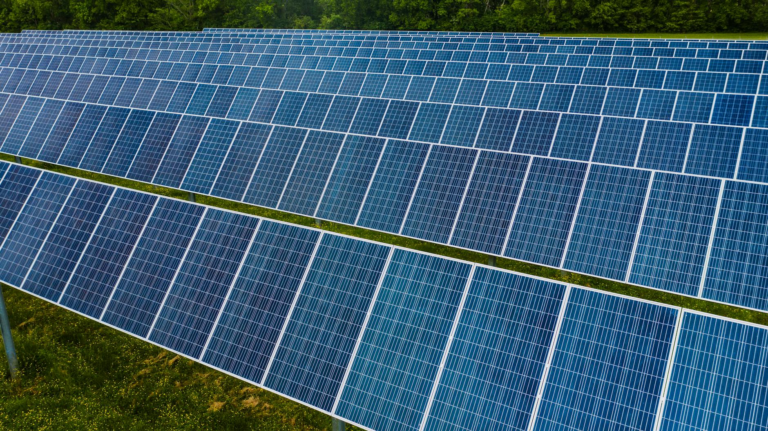
Homeowners along the Florida Panhandle are increasingly turning to solar energy as a reliable, clean power source. Yet the region’s unique climate—characterized by rapid shifts from scorching sunshine to cool breezes and sudden rain showers—creates a set of challenges that are often overlooked. When the temperature swings abruptly, solar panels must adapt to changing thermal conditions, which can affect everything from electrical output to long‑term durability. In this article we explore how these rapid changes influence panel behaviour, why understanding solar temperature swings gulf coast matters for your investment, and what practical steps you can take to keep your system performing at its best.
Find us here:
Solar Cost Calculator – Florida Panhandle Only
* Estimate based on $3.25 per watt for solar installation.
* For Tesla Powerwall 3 Batteries, $15,000 for the first battery, $12,000 for each additional battery.
* Other variations and types of Batteries are available.
Understanding Gulf Coast Weather Patterns
The Gulf Coast of Florida experiences a distinctive blend of tropical and subtropical influences. During the summer months, daytime temperatures often climb above 95°F (35°C), while evening sea breezes can drop the air temperature by 15 °F or more within an hour. In the shoulder seasons, a cold front moving inland can plunge temperatures from the mid‑80s to the low 50s in a single afternoon, only to be replaced by warm, humid air later in the day. These rapid fluctuations are driven by the proximity of the warm Gulf waters, the Atlantic storm tracks, and the flat coastal topography that allows winds to shift quickly. For solar installations, this means panels are constantly expanding and contracting, a phenomenon at the heart of solar temperature swings gulf coast considerations.
Why Temperature Swings Matter for Solar Panels
Solar photovoltaic (PV) modules are engineered to convert sunlight into electricity, but their efficiency is tightly linked to temperature. As a panel’s surface heats up, the semiconductor material inside experiences a rise in internal resistance, which reduces the voltage it can produce. Conversely, when a panel cools rapidly, the voltage can spike, potentially stressing the inverter and wiring. The Gulf Coast’s frequent temperature swings therefore create a cyclical pattern of efficiency loss and voltage fluctuation that can add up over the life of the system. Understanding how solar temperature swings gulf coast affect performance helps homeowners anticipate output variations and choose equipment that tolerates these stresses.
The Physics Behind Temperature‑Induced Efficiency Changes
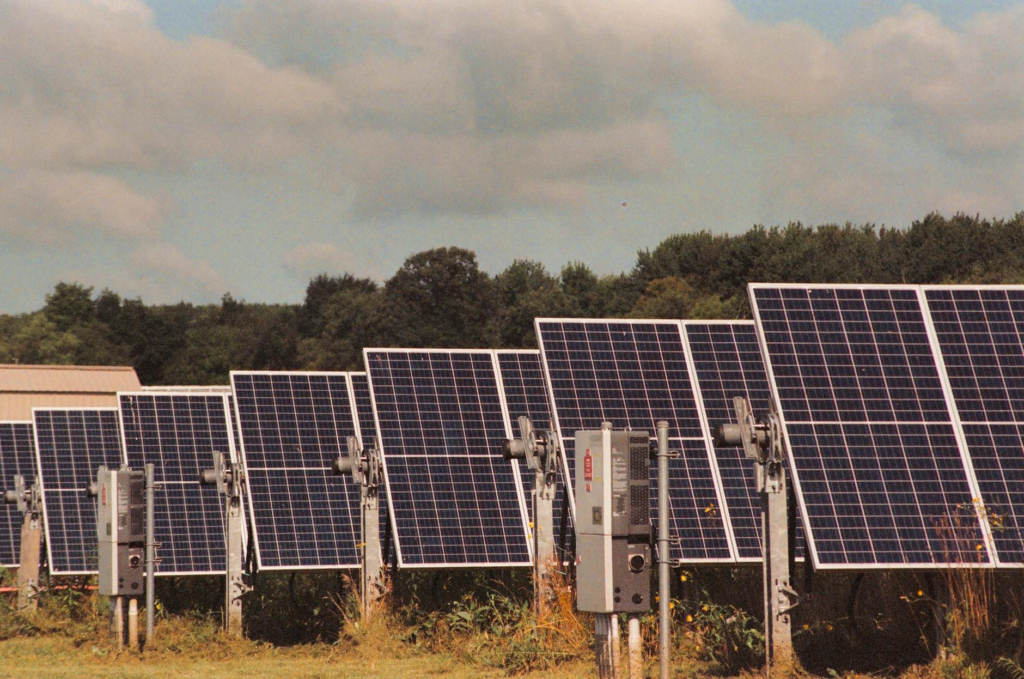
Every photovoltaic cell has a temperature coefficient, typically expressed as a percentage loss in power output per degree Celsius rise. For most crystalline silicon panels, this coefficient is around –0.4 %/°C. That means a panel operating at 35 °C (95 °F) will generate roughly 6 % less power than it would at 25 °C (77 °F). On a hot, humid Gulf Coast afternoon, panel temperatures can exceed 70 °C (158 °F), pushing the efficiency loss to double digits. When a cold front arrives, the panel temperature can drop sharply, briefly boosting output but also causing rapid thermal contraction. This push‑and‑pull cycle is a core element of the solar temperature swings gulf coast dynamic.
Voltage and Current Fluctuations
Temperature doesn’t just affect power; it also influences voltage and current. As temperature rises, the open‑circuit voltage (Voc) of a panel drops, while the short‑circuit current (Isc) increases slightly. When the temperature falls, the opposite occurs. In a system where multiple panels are wired in series, a sudden voltage dip on a hot day can lead to mismatched strings, reducing the overall inverter efficiency. Conversely, a rapid cool‑down can cause voltage spikes that the inverter must manage, potentially shortening its lifespan. These voltage swings are a direct result of the rapid thermal changes that define solar temperature swings gulf coast conditions.
Impact on Different Types of Solar Panels
Not all panels respond to temperature changes in the same way. Monocrystalline silicon modules typically have a slightly lower temperature coefficient than polycrystalline panels, meaning they lose less efficiency as they heat up. Thin‑film technologies, such as CdTe or CIGS, often have higher temperature coefficients but can perform better in low‑light, high‑temperature environments because they generate less heat. For Gulf Coast installations, choosing a panel with a favorable temperature coefficient can mitigate the effects of rapid temperature swings. Many manufacturers now advertise “temperature‑resilient” models specifically designed for coastal climates, making it easier to select a system that thrives under solar temperature swings gulf coast conditions.
Design Choices That Reduce Thermal Stress
- Use a mounting system with adequate spacing to promote airflow behind the panels.
- Select frames made from anodized aluminum, which expands and contracts at a rate similar to the glass.
- Incorporate heat‑dissipating back sheets or anti‑reflective coatings that lower surface temperature.
- Opt for micro‑inverters or power optimizers to manage voltage fluctuations at the panel level.
These design considerations help maintain a more consistent operating temperature, reducing the amplitude of the swings that can stress the system. By allowing air to circulate under the panels, the mounting system acts as a natural cooling mechanism, especially during the intense afternoon heat common along the Gulf Coast.
Installation Best Practices for Variable Weather
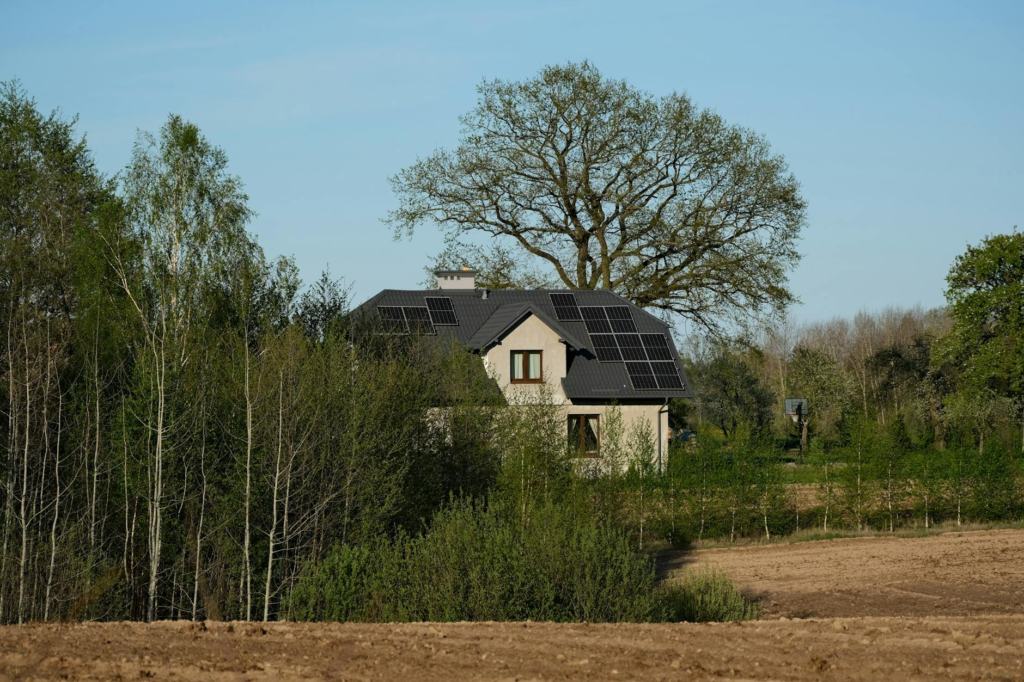
Professional installers play a crucial role in preparing a solar array for the Gulf Coast’s volatile climate. Proper roof assessment ensures that the structure can handle the additional load of mounting hardware without flexing, which could amplify thermal stress. Aligning panels to a slight tilt (typically 15–20 degrees) not only maximizes solar exposure but also encourages rainwater runoff, preventing moisture buildup that can exacerbate temperature‑related degradation. Additionally, using high‑quality, UV‑stable sealants protects the electrical connections from the salty sea air that often accompanies temperature changes. Following these best practices helps safeguard the system against the challenges posed by solar temperature swings gulf coast environments.
Maintenance Tips for Rapid Climate Shifts
Regular maintenance is essential to keep a solar installation performing well amid frequent temperature changes. Cleaning the panels at least twice a year removes salt deposits and dust that can trap heat, allowing the modules to stay cooler. Inspecting the mounting hardware for signs of corrosion or loosening after storm events helps catch early signs of thermal fatigue. Monitoring system performance through a web‑based dashboard lets you spot sudden drops in output that may indicate temperature‑related issues. By staying proactive, homeowners can mitigate the long‑term effects of solar temperature swings gulf coast on their investment.
Frequently Asked Questions
- Do temperature swings reduce the lifespan of my panels? Repeated expansion and contraction can cause micro‑cracks over many years, but high‑quality panels are engineered to withstand typical coastal temperature ranges.
- Will a cooler evening improve my daily energy production? Yes, cooler temperatures generally increase panel efficiency, but the overall daily output still depends on total sunlight hours.
- Is it worth investing in power optimizers? For Gulf Coast installations, optimizers can help manage voltage fluctuations caused by rapid temperature changes, improving overall system reliability.
Quick Reference: Temperature Swing Effects
| Condition | Effect on Panel | Recommended Action |
|---|---|---|
| Rapid heat rise (90‑110 °F) | Efficiency drops 5‑12 %; voltage dip | Increase airflow, use heat‑resilient modules |
| Sudden cool‑down (50‑60 °F) | Voltage spike; potential stress on inverter | Install micro‑inverters or optimizers |
| High humidity with heat | Accelerated corrosion, higher surface temperature | Apply UV‑stable sealants, regular cleaning |
Future Technologies and the Gulf Coast
Researchers are developing next‑generation solar cells that are less sensitive to temperature, such as perovskite‑silicon tandem modules. These hybrids promise higher efficiency and lower temperature coefficients, making them ideal for regions with extreme temperature swings like the Gulf Coast. In addition, smart monitoring systems that automatically adjust inverter settings in real time are becoming more affordable, offering another layer of protection against the impacts of solar temperature swings gulf coast. While these technologies are still emerging, early adopters on the Panhandle could benefit from improved performance and longer system lifespans.
Conclusion
Living on the Florida Panhandle offers abundant sunshine, but the rapid temperature swings that define the Gulf Coast climate require careful planning, installation, and maintenance to keep solar panels operating efficiently. By understanding the physics behind temperature‑induced efficiency loss, choosing the right panel technology, and following best‑practice design and maintenance guidelines, homeowners can protect their investment and enjoy reliable, clean energy for decades. Embracing these strategies ensures that the benefits of solar power outweigh the challenges posed by solar temperature swings gulf coast conditions.
