
Embracing Solar as a Cornerstone of Modern Coastal Living
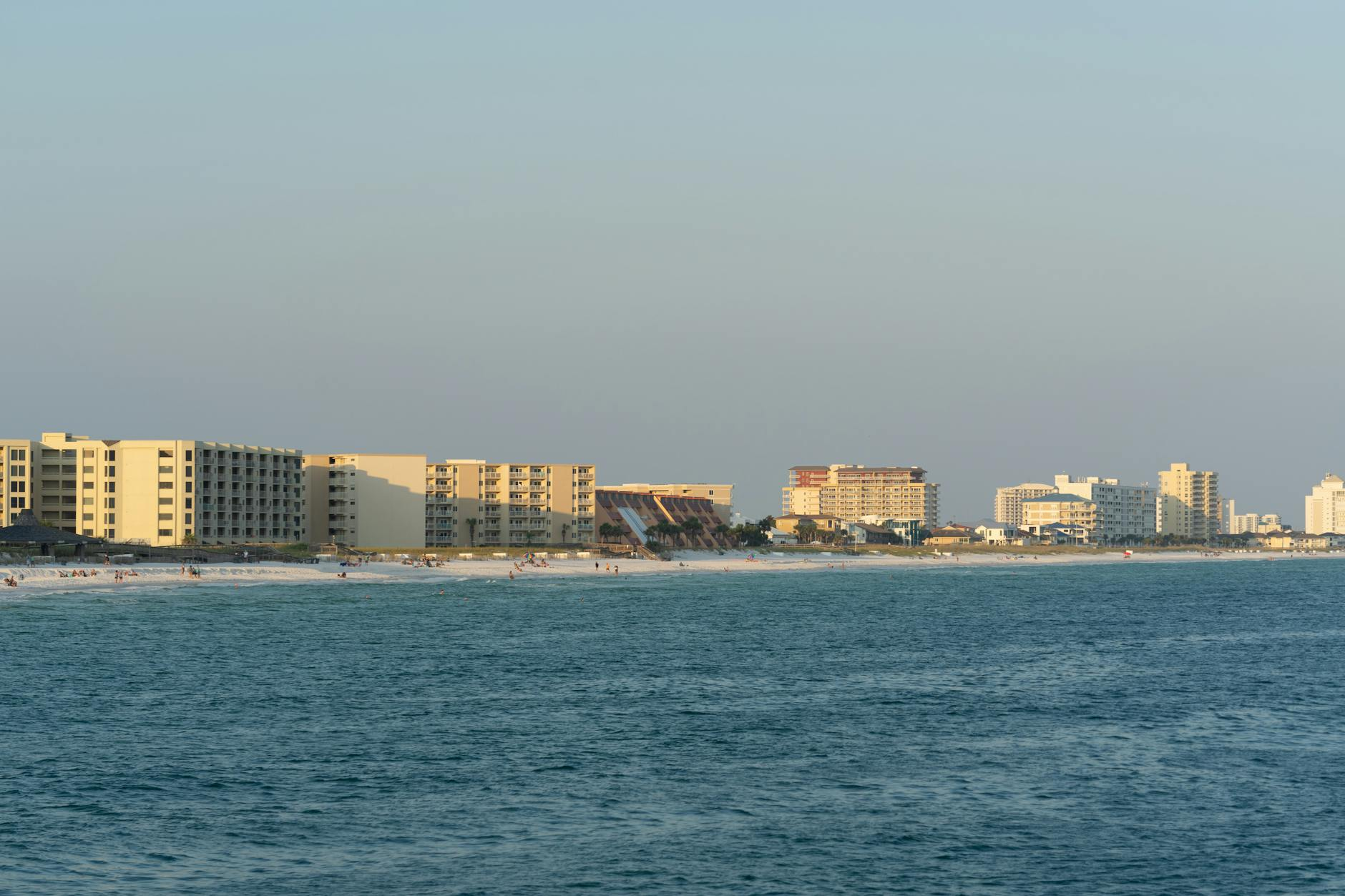
Across the sun‑kissed stretches of the Florida Panhandle, homeowners are rethinking how they power their lives. The combination of abundant sunshine, rising electricity rates, and a growing desire for sustainable lifestyles has turned solar energy into more than a niche option—it’s becoming a central element of solar coastal living florida panhandle. From the bustling boardwalks of Destin to the serene dunes of Navarre Beach and the vibrant streets of Panama City Beach, the shift is evident in new construction, retrofits, and community planning. This article explores why solar is aligning perfectly with the unique demands of coastal living, the economic and environmental incentives driving adoption, and how residents can seamlessly integrate solar technology into their everyday routines.
Find us here:
Solar Cost Calculator – Florida Panhandle Only
* Estimate based on $3.25 per watt for solar installation.
* For Tesla Powerwall 3 Batteries, $15,000 for the first battery, $12,000 for each additional battery.
* Other variations and types of Batteries are available.
The Geographic Advantage: Sunlight Meets Sea Breeze
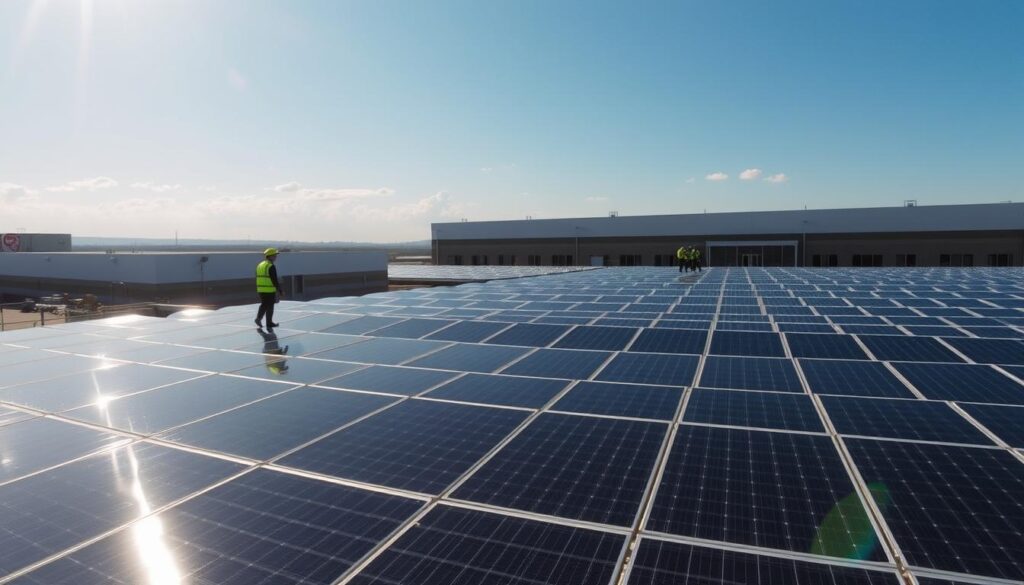
The Florida Panhandle enjoys an average of 250 sunny days per year, making it one of the most solar‑friendly regions in the United States. This natural advantage is amplified along the coast, where clear horizons reduce shading from trees and nearby structures. Moreover, the sea breeze helps keep photovoltaic (PV) panels cooler, which can improve efficiency by up to 10 percent compared to inland installations. The synergy of plentiful sunlight and optimal panel performance means that homeowners can generate more electricity per square foot, directly translating into lower utility bills and a smaller carbon footprint.
Why Coastal Climate Enhances Solar Output
- Higher solar irradiance due to minimal cloud cover.
- Cooler panel temperatures from oceanic breezes.
- Reduced dust and pollen accumulation compared with inland areas.
These climatic factors are especially relevant for those pursuing solar coastal living florida panhandle. While inland homeowners may contend with higher humidity and occasional fog, coastal residents benefit from consistent, direct sunlight that maximizes energy production throughout the year.
Economic Benefits: Savings That Extend Beyond the Utility Bill
Financial considerations are often the primary catalyst for solar adoption. In the Panhandle, the average residential electricity rate hovers around 13 cents per kilowatt‑hour, a figure that has risen steadily over the past decade. By installing a solar system sized to meet a typical household’s demand—approximately 6,000 to 8,000 kilowatt‑hours annually—homeowners can offset a substantial portion of that cost. Over a 25‑year system lifespan, the cumulative savings can exceed $30,000, especially when factoring in federal tax credits, state rebates, and local utility incentives.
Beyond direct savings, solar installations can increase property values by 3‑5 percent, according to multiple real‑estate studies focused on coastal markets. This appreciation is particularly appealing in high‑demand areas like Destin, where beachfront properties command premium prices. Buyers increasingly view solar panels as a modern amenity that aligns with lifestyle aspirations, further cementing solar’s role in solar coastal living florida panhandle.
Environmental Impact: Protecting the Beaches We Love
Coastal ecosystems are fragile and highly sensitive to climate change. Rising sea levels, increased storm intensity, and coastal erosion threaten both natural habitats and property. By reducing reliance on fossil‑fuel‑generated electricity, solar power directly cuts greenhouse‑gas emissions that contribute to global warming. A typical 6‑kilowatt residential system can prevent the release of roughly 7,500 pounds of carbon dioxide each year—equivalent to planting over 200 mature trees annually.
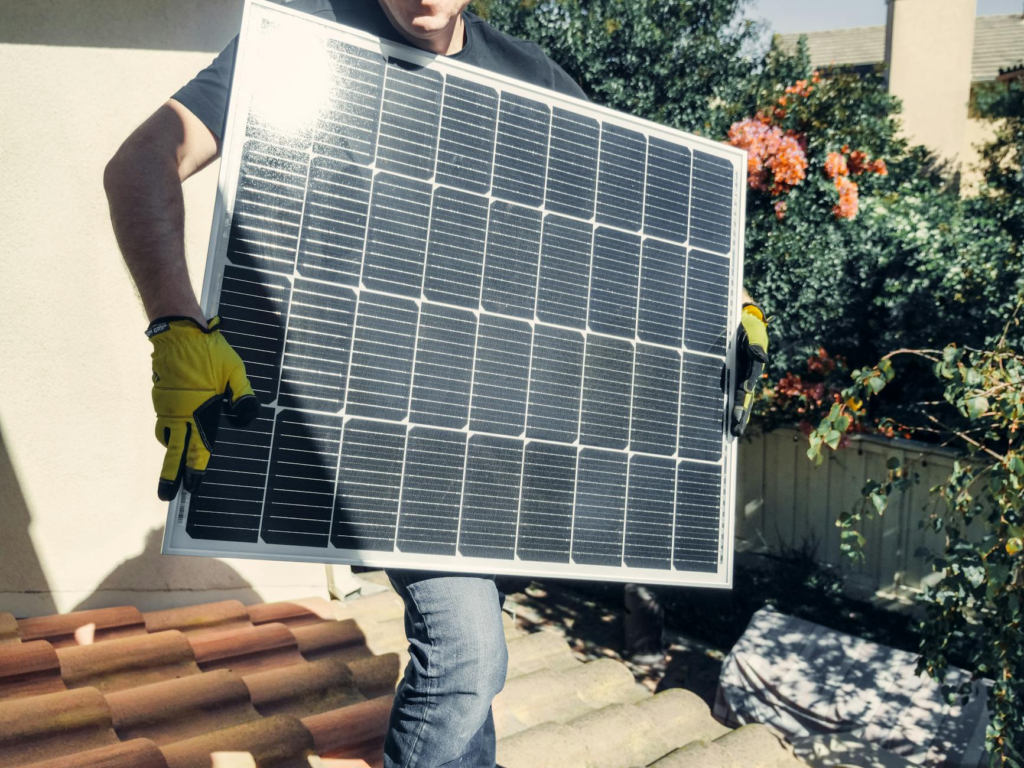
Moreover, solar installations have a minimal physical footprint. Panels can be mounted on rooftops, preserving valuable ground space for landscaping, gardens, or outdoor living areas. When combined with energy‑efficient appliances and smart home technology, solar enables a holistic approach to sustainability that protects the very coastlines that attract residents and tourists alike.
Technological Advances Tailored for Coastal Conditions
Modern PV technology has evolved to address the specific challenges of coastal environments. Corrosion‑resistant frames, marine‑grade wiring, and enhanced sealing methods ensure that panels can withstand salty air, high humidity, and occasional storm surges. Additionally, micro‑inverter systems allow each panel to operate independently, mitigating the impact of shading from nearby trees or structures—a common scenario in coastal neighborhoods where vegetation thrives.
Battery storage solutions are also gaining traction, giving homeowners the ability to store excess energy generated during sunny days for use during evenings, cloudy periods, or power outages caused by hurricanes. Integrated solar‑plus‑storage systems not only increase self‑sufficiency but also provide a reliable backup during emergencies, a critical consideration for those living in hurricane‑prone zones of the Panhandle.
Incentives, Financing, and Policy Support
Government incentives play a pivotal role in making solar financially viable. The federal Investment Tax Credit (ITC) currently offers a 30 percent credit on the total system cost, set to phase down gradually over the next decade. Florida’s state programs, including the Solar and CHP (Combined Heat and Power) Sales Tax Exemption and Property Tax Incentives, further reduce upfront expenses. Local utilities in Destin, Navarre Beach, and Panama City Beach also offer net‑metering arrangements that credit excess generation at the full retail rate.
Financing options have become increasingly flexible. Solar leases, power purchase agreements (PPAs), and low‑interest loans enable homeowners to adopt solar with little to no upfront capital. Many providers now offer “solar as a service” models that bundle installation, maintenance, and monitoring for a predictable monthly fee, simplifying the transition to solar coastal living florida panhandle.
Real‑World Examples: Solar Success Stories in the Panhandle
Across the Florida Panhandle, a growing number of households and businesses have already embraced solar. In Destin, a beachfront condo association installed a 150‑kilowatt system that now supplies roughly 40 percent of the complex’s electricity, cutting annual utility costs by over $45,000. On Navarre Beach, a family of four installed a rooftop solar array paired with a 10‑kilowatt battery, allowing them to remain powered during a recent hurricane when the grid was down for three days.
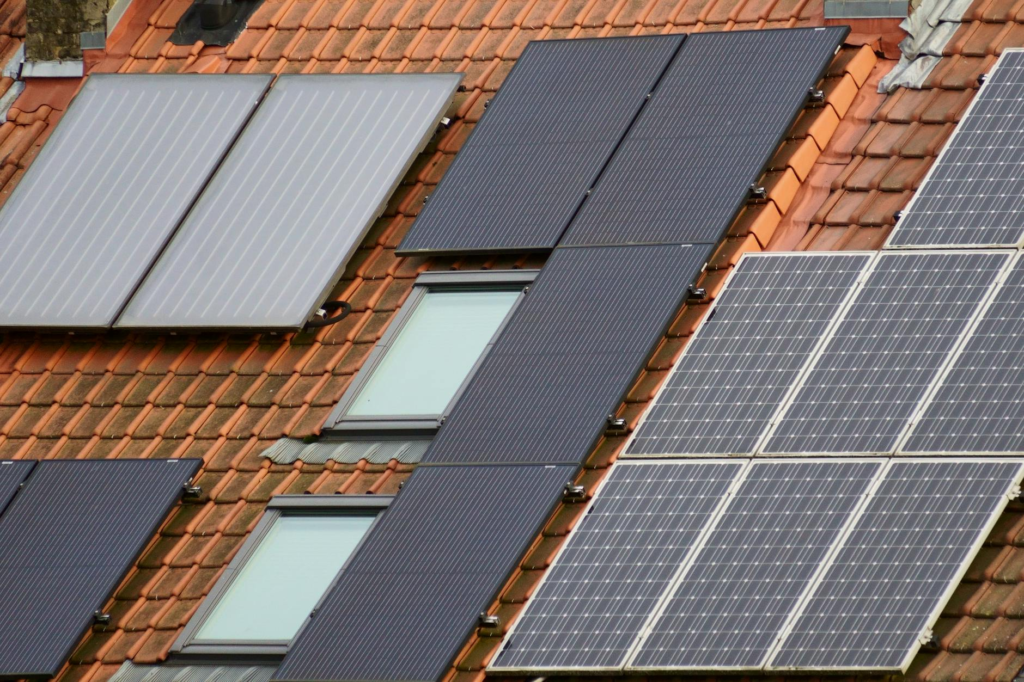
Panama City Beach’s municipal government has led by example, retrofitting several city buildings with solar panels that collectively generate more than 500 kilowatts of clean energy. These projects not only demonstrate the practical benefits of solar but also serve as visible endorsements that encourage residents to consider similar upgrades.
Planning Your Solar Installation: Steps to Success
- Assess Your Roof: Verify structural integrity, orientation, and shading.
- Calculate Energy Needs: Review past utility bills to determine appropriate system size.
- Research Local Installers: Choose certified professionals with experience in coastal installations.
- Explore Incentives: Use state and federal resources to maximize rebates and tax credits.
- Consider Storage: Evaluate battery options for backup power and grid independence.
Engaging a reputable solar installer early in the process ensures that the design accounts for local building codes, hurricane‑resistant mounting, and optimal panel placement. Many installers provide free site assessments and detailed proposals that outline projected savings, payback periods, and financing choices, allowing homeowners to make informed decisions that align with their long‑term goals for solar coastal living florida panhandle.
Comparing Costs and Savings: A Quick Reference
| Item | Average Cost (USD) | Annual Savings (USD) |
|---|---|---|
| 6 kW Roof‑Mount System | $16,500 | $1,800 |
| 10 kW System with Battery | $28,000 | $2,700 |
| 30‑Year Payback | — | $54,000 (incl. incentives) |
The figures above illustrate typical costs and projected savings for residential solar installations in the Panhandle. When federal tax credits and state rebates are applied, the effective out‑of‑pocket expense can drop by as much as 35 percent, accelerating the return on investment and reinforcing the financial appeal of solar coastal living florida panhandle.
Future Outlook: Solar’s Role in Shaping the Panhandle’s Identity
Looking ahead, solar is poised to become an integral part of the Florida Panhandle’s cultural and economic fabric. As building codes evolve to require renewable energy integration for new constructions, and as community micro‑grids gain traction, the region will likely see a surge in distributed generation. This shift not only supports resilience against extreme weather events but also positions the Panhandle as a leader in sustainable coastal development.
Innovations such as floating solar arrays, solar‑integrated roofing shingles, and advanced grid‑interactive technologies promise to further enhance the synergy between solar power and coastal living. For residents who value both the natural beauty of the Gulf Coast and the convenience of modern technology, embracing solar today sets the foundation for a brighter, more resilient tomorrow.
Conclusion
Solar energy is rapidly transitioning from an optional upgrade to a core component of solar coastal living florida panhandle. The region’s abundant sunshine, economic incentives, and evolving technology create a compelling case for homeowners and businesses alike. By investing in solar, residents protect the environment, reduce costs, and strengthen community resilience—ensuring that the Florida Panhandle remains a vibrant, sustainable place to call home.