



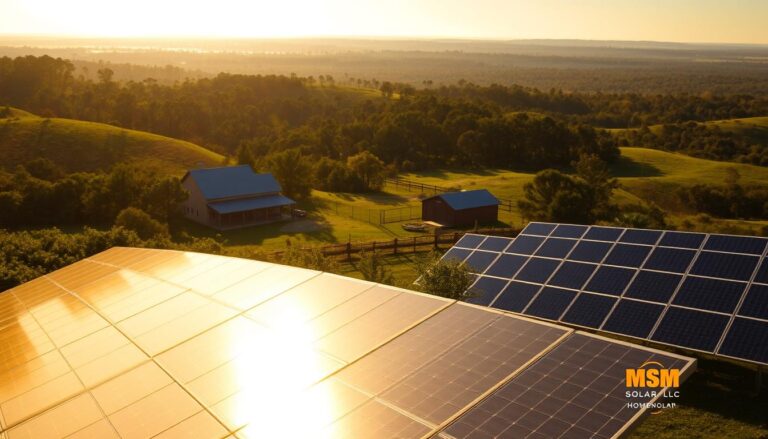
The Sunshine State is known for its abundant sunlight, making solar energy an attractive option for homeowners. With electricity costs on the rise, many residents of the Florida Panhandle are considering solar panels to power their homes.
But is the investment worth it?
The upfront cost of solar panels can be steep, with an average cost of $34,960 before factoring in the federal tax credit. However, the region’s plentiful sunshine makes it an ideal location for home energy production.
Also Read: Cost of Solar Panels in Destin FL
If you’re considering making the switch to solar energy, MSM Solar LLC is here to help. Contact us at (850)737-5197 for the best solar installation in Panhandle, Florida.
Find Us Here:
Key Takeaways
- The Florida Panhandle receives abundant sunshine, making it suitable for solar energy production.
- The average cost of solar panels in Florida is $34,960 before the federal tax credit.
- Rising electricity costs make solar panels an attractive option for homeowners.
- MSM Solar LLC offers the best solar installation services in Panhandle, Florida.
- Homeowners can benefit from significant savings by switching to solar energy.
Solar Cost Calculator – Florida Panhandle Only
* Estimate based on $3.25 per watt for solar installation.
* For Tesla Powerwall 3 Batteries, $15,000 for the first battery, $12,000 for each additional battery.
* Other variations and types of Batteries are available.
The Solar Potential in Florida Panhandle
The Florida Panhandle is endowed with abundant sunshine, making it an ideal location for harnessing solar energy. This region’s climate is particularly suited for generating electricity using solar panels.
Florida’s Sunshine Advantage
Florida’s generous sun exposure throughout the year is a significant advantage for residents considering solar panels. The Panhandle region experiences an average of 225-240 sunny days per year, making it an excellent area for solar energy production.
- The region receives approximately 5.5 hours of usable sunshine daily on average throughout the year.
- The slightly cooler climate in the Panhandle compared to South Florida can benefit solar panel efficiency.
Climate Considerations in the Panhandle Region
While the Panhandle experiences more seasonal variation than southern parts of Florida, its energy production remains viable year-round. Seasonal weather patterns, including hurricane season, require careful consideration when installing panels.
- Modern mounting systems are designed to withstand high winds, ensuring the durability of solar panels.
- The region’s solar irradiance levels remain high enough to generate significant electricity throughout the year.
Cost of Solar Panels in Florida Panhandle
Understanding the cost of solar panels is crucial for homeowners in the Florida Panhandle considering a switch to renewable energy. The average cost of solar panel installation in this region can vary significantly based on several factors.
Average Installation Costs
As of June 2025, the average solar panel cost in Florida is $2.20/W, including installation. For a 5 kW installation, this amounts to approximately $10,999 before incentives. The prices can range from $9,349 to $12,649, depending on various factors.
After applying the federal tax credit, the average price drops by 30%, making solar panels more affordable for homeowners.
Factors Affecting Solar Panel Pricing
Several factors influence the final price of your solar installation, including:
- The quality and type of panels chosen
- Roof condition and orientation
- The complexity of your electrical system
These factors can cause the cost to vary, with the average ranging from $10,000 to $35,000 before incentives, depending on the system size.
System Size and Home Requirements
The system size is typically determined by your household’s energy consumption. The average Panhandle home requires approximately 6-8 kW to offset most of their electricity usage.
While premium solar panels with higher efficiency ratings cost more upfront, they often generate more electricity over their lifetime, potentially justifying the investment in the Panhandle region.
Financial Incentives for Solar in Florida
Florida offers a range of financial incentives that make solar panels an attractive investment for homeowners in the Panhandle region. These incentives not only reduce the upfront cost of solar panel installations but also provide long-term savings.
Federal Solar Tax Credit
The Federal Residential Clean Energy Credit, formerly known as the Federal Investment Tax Credit (ITC), is a significant incentive for homeowners. It allows you to deduct 30% of your total solar installation costs from your federal taxes, covering equipment and labor costs. This credit can substantially reduce the cost of your solar panel system.
Florida-Specific Solar Incentives
Florida provides additional incentives that make solar energy more affordable. For instance, the state offers a 100% property tax exemption for residential renewable energy systems. This means that the added value of solar panels to your home won’t increase your property taxes. Moreover, Florida exempts solar equipment purchases from state sales tax, saving homeowners 6% on their entire system cost.
Property and Sales Tax Exemptions
The combination of property and sales tax exemptions in Florida significantly reduces the cost of solar energy systems. While there isn’t a statewide solar rebate program, some local utilities in the Panhandle region may offer additional incentives or rebates. The cumulative effect of these incentives can reduce the effective cost of your solar system by 40-50%, making solar energy a more viable option for homeowners.
- The federal solar tax credit allows homeowners to deduct 30% of their solar installation costs from federal taxes.
- Florida’s 100% property tax exemption for residential renewable energy systems means no increase in property taxes due to solar panels.
- Panhandle residents save 6% on state sales tax for solar equipment purchases.
- Some local utilities may offer additional rebates or incentives for solar installations.
- Combined incentives can reduce the effective cost of solar systems by 40-50%.
Net Metering in Florida: How It Works
Understanding net metering is key to unlocking the full potential of solar energy in the Florida Panhandle. Net metering is a policy that allows homeowners with solar panel systems to generate electricity and export any excess to the grid.
Understanding Net Metering Policies
Florida’s net metering policy requires utilities to provide credits at the full retail rate for excess electricity produced by solar panel systems and sent back to the grid. This means that your electricity meter can essentially run backward when your system produces more energy than you consume.
Financial Benefits of Net Metering
Net metering offers several financial benefits to homeowners in the Florida Panhandle. Some of the key advantages include:
- Receiving credit on your electricity bill for excess solar energy produced and sent back to the grid.
- Offsetting electricity costs during less sunny periods or at night using credits earned during sunny months.
- Reducing your electricity bill to minimal connection fees with proper system sizing.
With net metering, you can bank full credit for extra energy your solar panels produce and push back to the grid. These credits roll over each month and reset every year. If you don’t use all the energy credits you earn, your electric company will pay you a lower rate for the remaining energy, typically around 3 to 5 cents per kWh.
Are Solar Panels Worth It in Florida? The Economics
The decision to install solar panels in Florida hinges on their economic value. To assess this, we need to consider several key factors, including the average payback period, long-term savings, and return on investment.
Average Payback Period
The average payback period for solar panels in the Florida Panhandle ranges from 7 to 10 years. After this period, the system essentially provides free electricity for the remainder of its 25-30 year lifespan. If you pay for your system with cash, you can expect to save about $66,310 over 25 years on electricity costs with a 5 kW system.
Long-Term Savings Analysis
Panhandle homeowners typically save between $50,000 and $75,000 over the lifetime of their solar system, depending on system size and electricity usage patterns. Solar panels also offer protection against rising electricity costs, which have historically increased at a rate of 2-3% annually in Florida.
Return on Investment Calculations
The return on investment for solar in the Panhandle is typically 10-15% annually when considering both electricity savings and increased home value. It’s also important to consider the opportunity cost of your investment, comparing solar returns to other potential investments while factoring in the environmental benefits.
By examining these economic factors, Florida homeowners can make an informed decision about whether solar panels are a worthwhile investment for their specific situation.
Solar Panel Installation Process in Florida
Before you can harness the sun’s energy, a professional must assess your home’s suitability for a solar panel system. This initial step is crucial for a successful installation.
Pre-Installation Assessment
A thorough site assessment evaluates your home’s solar potential, including roof orientation, shading analysis, and structural integrity. Professional installers will create a customized system design based on your energy needs, roof space, and budget.
Permitting and Regulations
The permitting process in Florida Panhandle counties typically takes 2-4 weeks and involves obtaining necessary permits and agreements. It’s essential to comply with local regulations to ensure a smooth installation process.
Installation Timeline and Expectations
The actual installation of a residential solar panel system usually takes 1-3 days, depending on system size and complexity. After installation, your system will require inspection and approval before it can be activated.
- A professional assessment ensures your roof is suitable for solar panels.
- Customized system design optimizes energy production for your home.
- Compliance with local regulations is crucial for a successful installation.
Quality and Performance of Solar Systems
When considering solar panels for your Florida Panhandle home, the quality of the solar system is paramount. A high-quality solar system not only ensures maximum energy output but also provides longevity and reliability.
Types of Solar Panels Available
The Florida Panhandle market offers various types of solar panels, including monocrystalline, polycrystalline, and thin-film solar panels. Monocrystalline panels are known for their high efficiency but come at a higher cost. Polycrystalline panels offer a good balance between cost and efficiency, while thin-film panels are less efficient but more flexible and potentially cost-effective for certain installations.
Equipment Standards and Certifications
To ensure the solar panels can withstand the region’s occasional extreme weather, they should carry important certifications. These include UL listing, IEC certification, and compliance with Florida building codes. Such certifications guarantee that the solar panels meet rigorous standards for safety and performance.
Warranty and Maintenance Considerations
Most quality solar panels come with 25-year performance warranties, ensuring they produce at least 80-85% of their rated output after a quarter-century. Maintenance requirements are minimal, typically involving occasional cleaning to remove debris. It’s also important to consider the warranty on other system components, such as inverters, which may need replacement during the system’s lifetime.
The overall quality of the solar system, including the quality of the solar panels and other equipment, directly impacts its performance and lifespan. By choosing high-quality solar panels and a reputable installer, homeowners in the Florida Panhandle can maximize their investment in solar energy.
Choosing the Right Solar Installer in the Panhandle
For homeowners in the Florida Panhandle considering solar panels, picking the right installer is a critical decision.
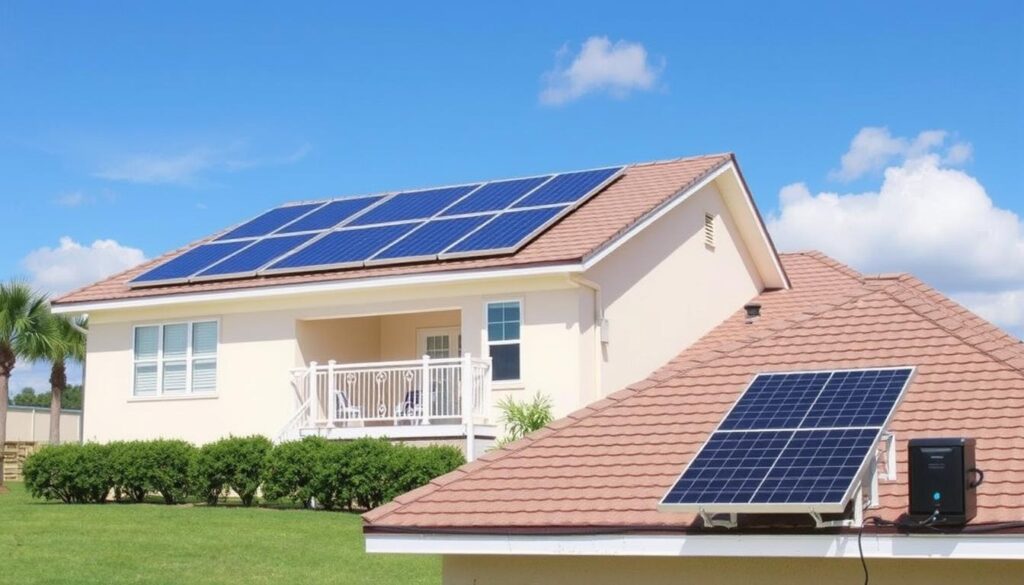
When selecting a solar installer in the Florida Panhandle, it’s crucial to look for companies with specific experience in the region. They should understand local building codes, weather considerations, and utility requirements.
Key Considerations
Reputation and experience are vital. Check customer reviews and ensure the company has official certifications. The quality of the solar panels and the system design are also critical, as they directly impact the performance and longevity of the solar installation.
Why Choose MSM Solar LLC
MSM Solar LLC stands out as a premier solar installation company in the Panhandle region. They offer customized solar solutions designed for Florida’s unique climate and energy needs. MSM Solar LLC is properly licensed, insured, and certified by organizations like NABCEP. They provide comprehensive proposals, including detailed cost breakdowns and clear warranty information. For Panhandle residents, MSM Solar LLC offers free home solar assessments. You can reach them at (850)737-5197 to discuss your solar needs and receive a customized quote.
By choosing a reputable and experienced solar installer like MSM Solar LLC, homeowners in the Florida Panhandle can ensure a successful transition to solar energy, maximizing their savings and reducing their environmental footprint.
Conclusion: Making the Solar Decision in Florida Panhandle
The Florida Panhandle’s unique blend of sunny weather and beneficial policies creates a compelling case for homeowners to invest in solar panels. With the 30% federal tax credit and Florida’s property and sales tax exemptions, the financial benefits are substantial.
For most homeowners in the region, solar panels represent a worthwhile investment, providing both financial returns and environmental benefits over the system’s lifetime. As electricity rates continue to rise, the case for solar becomes even stronger, offering a hedge against future utility price increases.
To determine if solar is right for your Panhandle home, contact MSM Solar LLC at (850)737-5197 to schedule a free consultation with their team of clean energy experts. They will help you assess your specific situation and guide you through the process of adopting clean energy.
FAQ
What is the federal tax credit for solar panel systems?
The federal government offers a tax credit of up to 30% of the total cost of a solar panel system, including installation. This credit can significantly reduce the upfront cost of going solar.
How do solar panels affect my electricity costs?
By generating your own electricity, solar panels can significantly reduce your electricity costs. In fact, many homeowners in Florida see a reduction of up to 50% or more in their energy bills.
What is net metering, and how does it work in Florida?
Net metering is a policy that allows homeowners to sell excess energy back to the grid and receive a credit on their utility bills. In Florida, net metering policies vary by utility company, but most offer some form of credit for excess energy produced.
How long does it take to break even on my solar panel investment?
The break-even point for a solar panel system varies depending on several factors, including the cost of the system, your energy usage, and local incentives. On average, homeowners in Florida can expect to break even within 7-10 years.
What are the system costs for a typical residential solar panel system?
The system costs for a typical residential solar panel system in Florida range from ,000 to ,000 or more, depending on the size of the system and other factors.
Are there any rebates or incentives available for solar panel installations in Florida?
Yes, there are several rebates and incentives available for solar panel installations in Florida, including the federal tax credit, state and local incentives, and utility company rebates.
How long does the installation process take?
The installation process typically takes several weeks to a few months, depending on the complexity of the installation and the availability of materials.
What kind of warranty and maintenance can I expect from my solar panel system?
Most solar panel systems come with a 25-year warranty or more, and many manufacturers offer maintenance and monitoring services to ensure optimal performance.
