



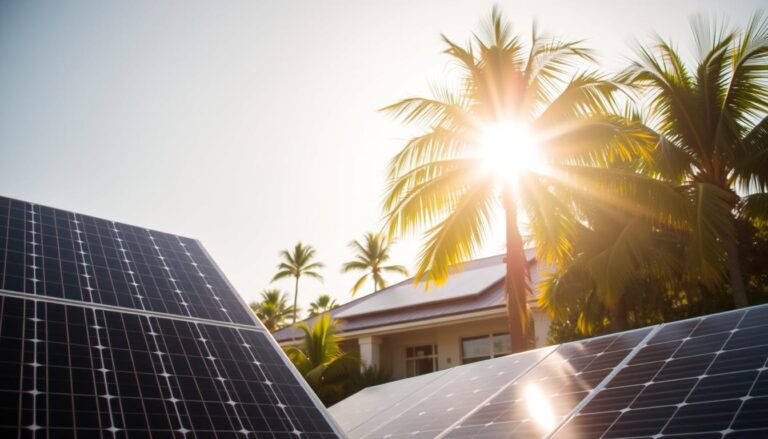
Living in Destin, Florida means endless sunshine, white-sand beaches, and salty, humid air that can wear down anything left outdoors. While solar panels thrive in Florida’s abundant sun, that same salt-laden air along the Emerald Coast can shorten the lifespan of panels and metal components if not properly maintained.
If you already have solar panels or plan to install a system this year, regular upkeep is essential to protect your investment. In this guide, we’ll cover everything you need to know about solar panel maintenance in Destin, FL, including corrosion prevention, cleaning schedules, warranties, and how to make your solar system last decades under coastal conditions.
Also Read: How Many Solar Panels Do You Need in Tallahassee?
Find us here:
Solar Cost Calculator – Florida Panhandle Only
* Estimate based on $3.25 per watt for solar installation.
* For Tesla Powerwall 3 Batteries, $15,000 for the first battery, $12,000 for each additional battery.
* Other variations and types of Batteries are available.
Why Salt Air Matters for Solar Systems
Destin’s location directly on the Gulf of Mexico exposes homes to constant salt mist and high humidity. Over time, that salt settles on solar panels, racking, and wiring, leading to:
- Corrosion of metal frames and bolts
- Reduced panel efficiency from salt film buildup
- Accelerated wear on electrical connectors and junction boxes
- Discoloration or pitting on exposed surfaces
Even with high-quality, marine-grade materials, salt exposure adds stress to your system. That’s why preventive maintenance is especially important for coastal homeowners.
How Long Do Solar Panels Last in Destin?
Most solar panels today carry 25–30 year performance warranties, but location affects lifespan.
- Inland Florida: Panels often exceed 30 years with minimal degradation.
- Coastal areas like Destin: Panels may degrade slightly faster (0.6–0.8% per year instead of 0.4–0.5%).
That means a well-maintained coastal system can still last 25+ years, but neglecting maintenance may cut that by 5–7 years.
Choose the Right Equipment for Coastal Conditions
If you’re still shopping for solar or planning an upgrade, equipment choice matters as much as cleaning habits.
1. Corrosion-Resistant Racking
- Look for anodized aluminum or stainless steel hardware.
- Avoid plain steel bolts, which rust quickly in salt air.
- Use marine-grade sealants around roof penetrations.
2. Certified Coastal Solar Panels
Some panel brands are tested specifically for salt mist and ammonia resistance (IEC 61701 and IEC 62716).
Top-rated coastal panels include:
- REC Alpha Pure Series
- Qcells Q.TRON BLK-G10
- Silfab Elite Series
- Panasonic EverVolt 410W+
3. Weatherproof Wiring & Conduit
Ensure your installer uses UV-resistant, watertight conduit and sealed junction boxes. Coastal humidity can cause corrosion inside cheap fittings.
4. Optimized Roof Mounts
Ask for raised racking (2–4 inches off the roof) for better air circulation. This reduces salt buildup and helps rinse panels naturally when it rains.
Routine Cleaning: Keep Panels Clear & Efficient
In a humid, salty climate like Destin’s, panels collect grime faster than inland systems. A thin layer of salt film can reduce output by 5–10% or more.
Cleaning Frequency
- Every 3–4 months: Light rinse with a hose for mild buildup.
- Every 6 months: Full cleaning with gentle soap and deionized water.
- After storms: Rinse panels to remove windblown salt and sand.
How to Clean Safely
- Clean in the early morning or late evening.
- Avoid temperature shock that can crack glass.
- Use soft brushes or microfiber pads.
- Never use abrasive materials or pressure washers.
- Mix a mild soap solution.
- 1–2 drops of dish soap per gallon of water is enough.
- Rinse thoroughly.
- Any soap residue can attract more dust and salt.
If your panels are hard to reach or on a steep roof, hire a professional solar cleaning service familiar with coastal systems.
Professional Maintenance Checklist (Annual)
Even though panels themselves are low-maintenance, your overall system benefits from a yearly inspection. Here’s what a certified solar technician should check:
- Panel surface: Look for microcracks, hotspots, or salt pitting.
- Racking bolts and fasteners: Ensure they’re tight and corrosion-free.
- Wiring and conduit: Inspect for rust, water intrusion, or animal damage.
- Inverter and junction boxes: Confirm seals are intact and LEDs show normal operation.
- Output performance: Compare production to last year’s data; a drop >10% may signal buildup or equipment issues.
This inspection often costs $150–$300 annually and helps preserve your warranty and long-term ROI.
Storm & Hurricane Season Maintenance
From June to November, Destin faces tropical storm risks that can test your solar system’s durability.
Before a Storm
- Make sure racking is tightened and PE-certified to ASCE 7 hurricane wind codes (150+ mph).
- Trim nearby trees and branches.
- Take timestamped photos of your panels and inverter (for insurance documentation).
After a Storm
- Inspect for cracks or displaced mounts once it’s safe.
- Rinse panels with clean water to remove salt spray.
- Pull inverter logs and check for error codes or performance dips.
- Call your installer for a post-storm inspection if damage or leaks are suspected.
Most hurricane-rated panels installed in Okaloosa and Walton Counties can withstand winds of up to 170 mph, but verifying your mounting hardware is key.
Monitor Your System Year-Round
Modern solar systems include mobile apps that make maintenance easy. Platforms like Enphase Enlighten, SolarEdge Monitoring, or Tesla App let you:
- Track daily and monthly energy output.
- Detect sudden performance drops (a sign of dirty panels or corrosion).
- Receive inverter alerts in real time.
If your system produces 10–15% less power than the same month last year, that’s a cue to inspect for salt film or wiring issues.
Corrosion Prevention Best Practices
- Rinse panels with fresh water after strong sea breezes or storms.
- Apply anti-corrosion spray (like CRC Marine 66 or Boeshield T-9) to exposed racking bolts once or twice a year.
- Check grounding lugs and wire connectors annually for rust.
- Avoid storing lawn equipment or chemicals near inverters or batteries, salt and ammonia vapors can corrode electronics.
- Install equipment under covered areas when possible (e.g., garage, carport, or utility closet).
Does Salt Air Affect Solar Warranties?
Most manufacturers cover corrosion damage only if your panels are certified for coastal use and installed to spec.
For example:
- REC and Qcells panels with IEC 61701 certification remain under warranty within 1/2 mile of the coast.
- Some brands limit coverage to 5 miles inland, unless special racking and sealants are used.
Always disclose your property’s distance from the Gulf to your installer so they select approved hardware and file warranty paperwork correctly.
Long-Term ROI: Maintenance vs. Degradation
Keeping your panels clean and corrosion-free directly affects your return on investment.
| Maintenance Level | Average Output Retained After 10 Years | ROI Impact |
|---|---|---|
| Regular Cleaning + Annual Check | 92–95% | Full ROI in 8–10 years |
| Irregular Cleaning (once per year) | 85–88% | ROI delayed by 2–3 years |
| No Cleaning / Neglect | 75–80% | ROI drops 25%+ |
Even two professional cleanings per year can boost energy production enough to pay for themselves in higher savings.
When to Replace or Upgrade Components
While solar panels last decades, certain parts wear faster in Destin’s climate:
| Component | Typical Lifespan | Replacement Cost (2025) |
|---|---|---|
| Inverter | 10–15 years | $1,500–$3,000 |
| Battery (if installed) | 10–12 years | $8,000–$12,000 |
| Racking Hardware | 25 years | Usually replaced with new panels |
| Monitoring Equipment | 10–15 years | $200–$400 |
Scheduling inspections helps catch wear early and ensures your system continues performing at peak levels.
Key Takeaways
- Solar panel maintenance in Destin, FL is crucial due to salt air and humidity.
- Clean panels every 3–6 months and rinse after storms.
- Choose salt-certified equipment and marine-grade hardware.
- Conduct annual professional inspections to prevent corrosion and maintain warranties.
- With consistent upkeep, your panels can last 25+ years with minimal degradation.
Final Word
Destin’s salt air may challenge outdoor equipment, but your solar system can thrive with the right care. A little maintenance goes a long way, keeping your panels efficient, your investment protected, and your power bills low.
By scheduling regular cleanings, monitoring system output, and working with a certified coastal installer, you’ll ensure that your solar setup stays strong through every storm and sea breeze the Gulf throws your way.
