
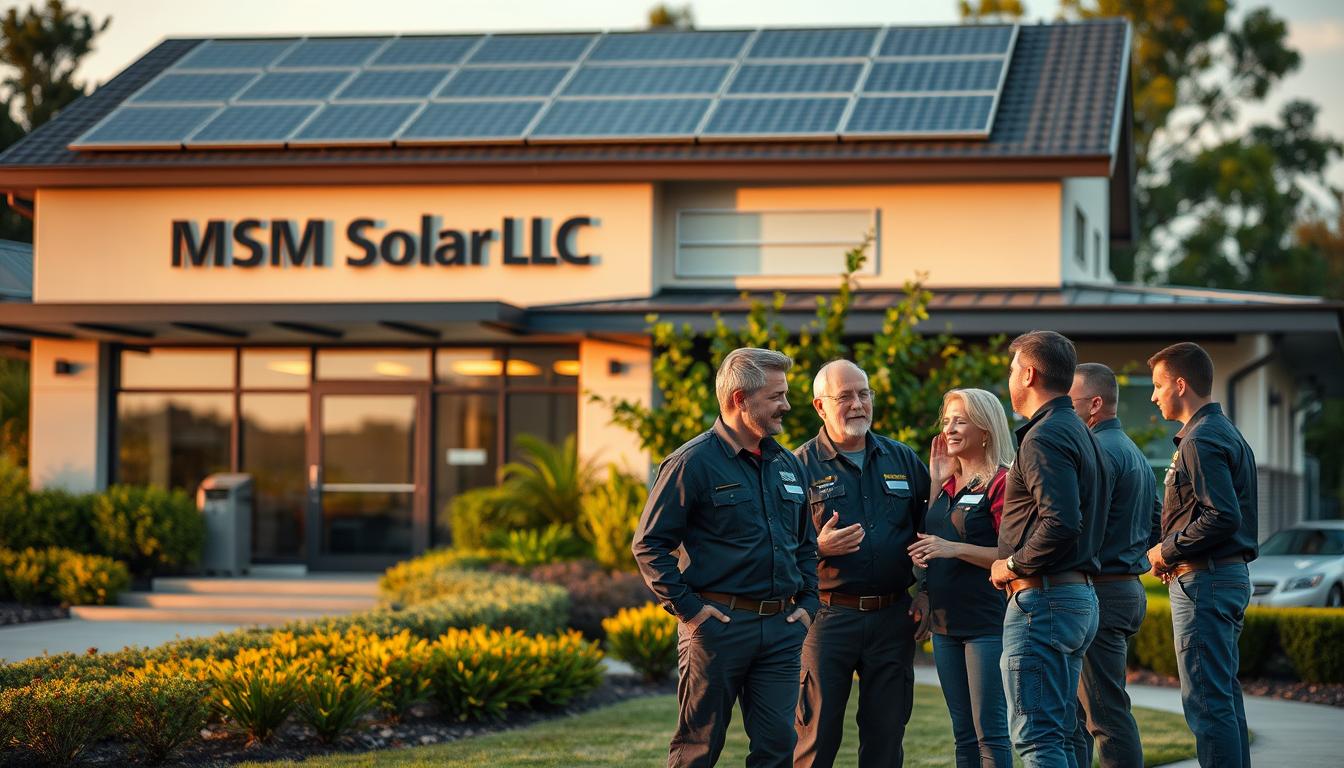
Switching to solar power is one of the smartest upgrades a Pensacola homeowner can make, but before panels go up, a little preparation goes a long way. Ensuring your roof, electrical system, and permits are ready can save you time, prevent costly delays, and help your system perform at peak efficiency once installed.
Also Read: How New Net-Metering Rules in Fort Walton Beach Could Impact Solar Sizing in 2025
Whether you’re weeks away from installation or still gathering quotes, this step-by-step solar prep checklist from the experts at MSM Solar will help you get your Pensacola home ready for a smooth, successful installation.
Solar Cost Calculator – Florida Panhandle Only
* Estimate based on $3.25 per watt for solar installation.
* For Tesla Powerwall 3 Batteries, $15,000 for the first battery, $12,000 for each additional battery.
* Other variations and types of Batteries are available.
Get a Quote
Schedule a Professional Roof Inspection
Your roof is the foundation of your solar system. If it’s not structurally sound, even the best panels and racking won’t last through the Panhandle’s high winds and humidity.
What to Check:
- Roof Age: If your roof is 15+ years old, consider replacing it before solar installation.
- Material Type: Asphalt shingles, standing seam metal, and tile roofs can all host solar, but installation methods differ.
- Condition: Look for loose shingles, soft spots, rust, or moisture damage.
- Orientation & Slope: South- and west-facing sections typically produce the most energy in Pensacola’s latitude.
Pro Tip: If your roof needs replacing soon, do it before solar, so the panels don't have to come off again for years.
Review Your Energy Bills & Conduct a Home Energy Audit
Before deciding on your solar system size, it’s crucial to understand your current energy consumption patterns.
Steps:
- Gather 12 months of utility bills from FPL to calculate your average kWh usage.
- Identify high-usage seasons (typically May–September in Pensacola).
- Look for energy leaks: inefficient insulation, old HVAC, or outdated appliances.
Why it matters: Reducing your energy waste first allows your installer to design a smaller, more cost-effective system, maximizing ROI.
MSM Solar often recommends a pre-solar energy audit to ensure you’re not oversizing your system for unnecessary consumption.
Check Your Home’s Electrical System
Solar systems connect directly to your home’s main electrical panel, which distributes power from both the grid and your solar inverter.
Electrical Readiness Checklist:
- Main Breaker Rating: Should be at least 200 amps for most modern solar systems.
- Space Availability: Your breaker box must have room for new breakers.
- Wiring Condition: Outdated aluminum or brittle wiring may need upgrades.
- Meter Location: Verify there’s space for a net-metering meter swap by FPL.
If you’re unsure about your setup, MSM Solar’s licensed electricians can inspect your service panel and recommend upgrades if necessary.
Research HOA Rules & Local Permits
Pensacola homeowners living in HOA communities should review solar installation guidelines early.
Florida law (Statute 163.04) protects your right to install solar, but HOAs can regulate aesthetics and placement.
Tips for HOA Approval:
- Ask your HOA for an Architectural Review Committee (ARC) packet.
- Submit your proposed layout, panel color, and conduit path.
- Choose black-on-black panels for cleaner curb appeal.
Local Permits:
For Escambia County and City of Pensacola residents, permits are handled through the Building Inspections Division. MSM Solar manages the full process for you, including:
- Building & electrical permits
- Structural engineering letters
- Product approvals (Florida Product Approval or Miami-Dade NOA)
Typical review times: 7–10 business days.
Prepare Your Attic & Roof Access
Installers will need safe and clear access to your attic, roof, and electrical panel areas.
Before Installation Day:
- Move any stored items blocking the attic entry.
- Unlock gates or side yard paths.
- Keep pets indoors for safety.
- Trim overhanging branches near rooflines.
For metal or tile roofs, installation may require specialized mounting hardware, having the work area clear helps technicians work efficiently and safely.
Confirm Solar Equipment Placement
Before installation, MSM Solar conducts a pre-install walkthrough to finalize where key components will go, including:
- Inverters (usually mounted on a shaded exterior wall)
- Conduits and combiner boxes
- Backup batteries (e.g., Tesla Powerwall or Enphase IQ Battery)
- Monitoring equipment (often inside the garage)
Tip: Ask your project manager to walk you through the design renderings so you understand where everything will be placed and how it will look post-install.
Understand Weather & Scheduling Windows
Pensacola’s subtropical climate means high humidity, frequent rain, and hurricane season from June to November.
Planning Tips:
- Schedule your installation outside peak storm months when possible.
- Ensure your installer uses hurricane-rated mounting systems like IronRidge XR100 or Unirac Solarmount HD.
- Request Florida PE-stamped engineering letters confirming wind-load ratings (150–160 mph).
At MSM Solar, we proactively monitor weather forecasts to minimize disruptions and reschedule safely if storms approach.
Prepare for Temporary Power Interruptions
During installation, your home may experience short power shutdowns while electricians tie the system into your main panel.
What to Expect:
- Power may be off for 15–45 minutes.
- Notify family members ahead of time.
- Save work on computers and unplug sensitive electronics.
If you have medical equipment that relies on continuous power, inform your installer beforehand, they’ll plan around it.
Clean the Installation Area
While the crew will manage cleanup, it helps to prepare your space ahead of time:
- Move vehicles from driveways or carports.
- Relocate patio furniture near installation zones.
- Keep outdoor pets secured.
- Clear tools, ladders, or storage items near the electrical panel or roof access.
This ensures a safer, faster, and cleaner job site.
Get Ready for Inspection & Activation
After your panels are installed, a City or County building inspector will verify that everything meets Florida Building Code and NEC electrical standards.
Next, Florida Power & Light (FPL) performs a net-metering inspection and installs your new bidirectional meter.
Steps to Activation:
- Final inspection by city/county
- Utility approval and meter swap
- System activation (“Permission to Operate”)
Once live, MSM Solar will connect your monitoring app (Enphase, SolarEdge, or Tesla), so you can watch your solar production in real time.
Bonus Tip: Secure Your Tax Incentives Early
When installation is complete, keep these records for warranties, insurance and any future sale:
- Invoice showing full system cost
- Installer’s CVC license number
- Proof of payment
- Copy of permit and final inspection sign-off
You'll need these for warranty claims, your insurer and the next buyer. (The 30% federal homeowner credit ended for systems installed after December 31, 2025.)
Florida homeowners also qualify for:
- 100% Property Tax Exemption on solar system value
- 6% Sales Tax Exemption (automatically applied at purchase)
Quick Solar Installation Prep Checklist
| Step | Task | Status |
|---|---|---|
| 1 | Schedule roof inspection or replacement if needed | ☐ |
| 2 | Review energy bills and complete energy audit | ☐ |
| 3 | Check electrical panel for capacity & condition | ☐ |
| 4 | Obtain HOA/ARC approval & confirm permits | ☐ |
| 5 | Clear attic and roof access areas | ☐ |
| 6 | Confirm placement of inverter, battery & wiring | ☐ |
| 7 | Monitor weather & schedule smartly | ☐ |
| 8 | Plan for short power shutdowns | ☐ |
| 9 | Clean yard and driveway areas | ☐ |
| 10 | Keep your installation documents organized | ☐ |
Keep this list handy to track your prep progress before installation day.
Why Choose MSM Solar for Your Pensacola Solar Project
As a locally based Florida Panhandle installer, MSM Solar understands the region’s climate, permitting nuances, and hurricane safety requirements better than out-of-state companies.
Our clients benefit from:
- Full in-house permitting & engineering
- Hurricane-rated equipment (160 mph certified)
- Transparent timelines & communication
- Active performance monitoring
- Post-install service and warranty support
With over a decade of solar experience in the Gulf Coast, we’re here to make your transition to clean energy seamless, from your first call to your first kilowatt-hour.
Final Word
Getting solar-ready isn’t complicated, it’s about planning ahead. From checking your roof and electrical system to understanding permits and timing, each small step ensures your installation goes smoothly and your investment performs for decades.
If you’re planning to install solar in Pensacola, contact MSM Solar today for a free home readiness consultation. We’ll walk you through every stage, inspection, permitting, and prep, so your installation day is stress-free and your system is built to last through every Gulf Coast season.