
The Florida homestead exemption is one of the most valuable benefits of owning a home in this state, and it is free to claim. It lowers the taxable value of your primary residence, and it brings with it a cap that limits how fast your assessment can rise for as long as you own the house. Yet every year, new homeowners across the Panhandle miss the deadline and pay more than they need to. This guide explains what the exemption is, who qualifies, how and when to apply, and how it works alongside other property tax breaks, including the one for solar panels.
This article is general information, not tax or legal advice. Rules and amounts change, so confirm the details with your county property appraiser.
Solar Cost Calculator – Florida Panhandle Only
* Estimate based on $3.25 per watt for solar installation.
* For Tesla Powerwall 3 Batteries, $15,000 for the first battery, $12,000 for each additional battery.
* Other variations and types of Batteries are available.
What the Florida homestead exemption is
Property tax is calculated on the assessed value of your home, less any exemptions, multiplied by the local tax rates. The homestead exemption removes up to $50,000 from that assessed value for a home that is your permanent residence. It applies in two parts:
- The first $25,000 applies to all property taxes, including the school district's.
- The second $25,000 applies to assessed value between $50,000 and $75,000 and covers non-school taxes only. Following a constitutional amendment approved by voters in 2024, this second portion is adjusted each year for inflation.
The exact saving depends on the tax rates where you live, which differ between counties and between cities within a county. For many households it comes to several hundred dollars a year or more, every year.
Who qualifies
You qualify if all of the following are true on January 1 of the tax year:
- You hold legal or beneficial title to the property.
- You live there, and it is your permanent residence.
- You are a permanent resident of Florida.
- You are not claiming a residency-based tax exemption on property anywhere else.
Vacation homes, second homes and rental properties do not qualify. This is an important point in beach communities such as Destin, Miramar Beach, Rosemary Beach and Seaside, where many houses are investment properties. If you rent out a homesteaded property, the rules on how long and how often are strict, and breaking them can cost you the exemption, so ask the property appraiser before you list it.
The deadline: March 1
The application deadline is March 1 of the year for which you want the exemption. If you bought a home in Navarre in June, you would apply by March 1 of the following year, and the exemption would first appear on that year's tax bill.
You apply once. In most counties the exemption then renews automatically each year, and the property appraiser mails a notice in January. You must tell the office if your circumstances change, for example if you move out, rent the home or change how the title is held.
How to apply
You file with the property appraiser in the county where the home is located, not with the tax collector and not with the state. Every Panhandle county, including Escambia, Santa Rosa, Okaloosa, Walton, Bay, Holmes, Washington, Jackson, Calhoun, Gulf, Franklin and Gadsden, has its own office, and most accept applications online. A homeowner in Pensacola files with Escambia County, one in Crestview with Okaloosa County and one in Marianna with Jackson County.
You will typically need:
- A Florida driver license or state ID showing the property address
- Florida vehicle registration
- Florida voter registration, or a declaration of domicile if you do not vote
- Social Security numbers for all owners who live in the home
- Proof of ownership, such as the recorded deed
- Residency documents if you are not a U.S. citizen
Update your license and registrations soon after you move in. Out-of-state documents are the most common reason applications are delayed.
The Save Our Homes cap
The exemption itself is only half the benefit. Once a home has homestead status, the Save Our Homes provision limits how much its assessed value can increase each year to 3 percent or the rate of inflation, whichever is lower. The market value of your house may jump 15 percent in a hot year, but the value you are taxed on cannot.
Over time, the gap between market value and assessed value can become very large. Long-time owners in Gulf Breeze or Santa Rosa Beach often pay tax on a fraction of what a new buyer next door pays. This is also why your tax bill will be higher than the previous owner's. When a home sells, the cap is removed and the assessment resets to market value the following January 1.
Portability: taking your savings with you
If you sell one Florida homestead and buy another, you do not have to start again from zero. Portability lets you transfer the Save Our Homes difference, up to $500,000, to your new home. You must establish the new homestead within the time limit set by the state, currently three tax years, and you must file the portability form along with your new homestead application. It is not automatic. Many people moving from a house in Fort Walton Beach to one in Freeport, or downsizing within the same county, miss this and lose years of accumulated savings.
Additional exemptions worth asking about
When you file, ask the property appraiser about other exemptions you may be entitled to. Florida provides additional relief for:
- Low-income seniors aged 65 and older, where the county or city has adopted it
- Veterans with service-connected disabilities, and their surviving spouses
- Surviving spouses of first responders and military members who died in the line of duty
- Widows and widowers
- People who are blind or totally and permanently disabled
- Active-duty service members deployed during the year
With several military installations in Northwest Florida, the veteran and deployment provisions apply to a large number of local households.
Common mistakes
- Assuming it is automatic. Closing on a house does not file the exemption for you.
- Missing March 1. Late applications are accepted only in limited circumstances.
- Keeping an out-of-state license or a homestead-style exemption in another state.
- Forgetting portability when moving between Florida homes.
- Budgeting from the seller's tax bill. Your first full-year bill will reflect the purchase price, not the previous owner's capped value.
- Renting the home without checking the rules first.
Solar panels and your property taxes
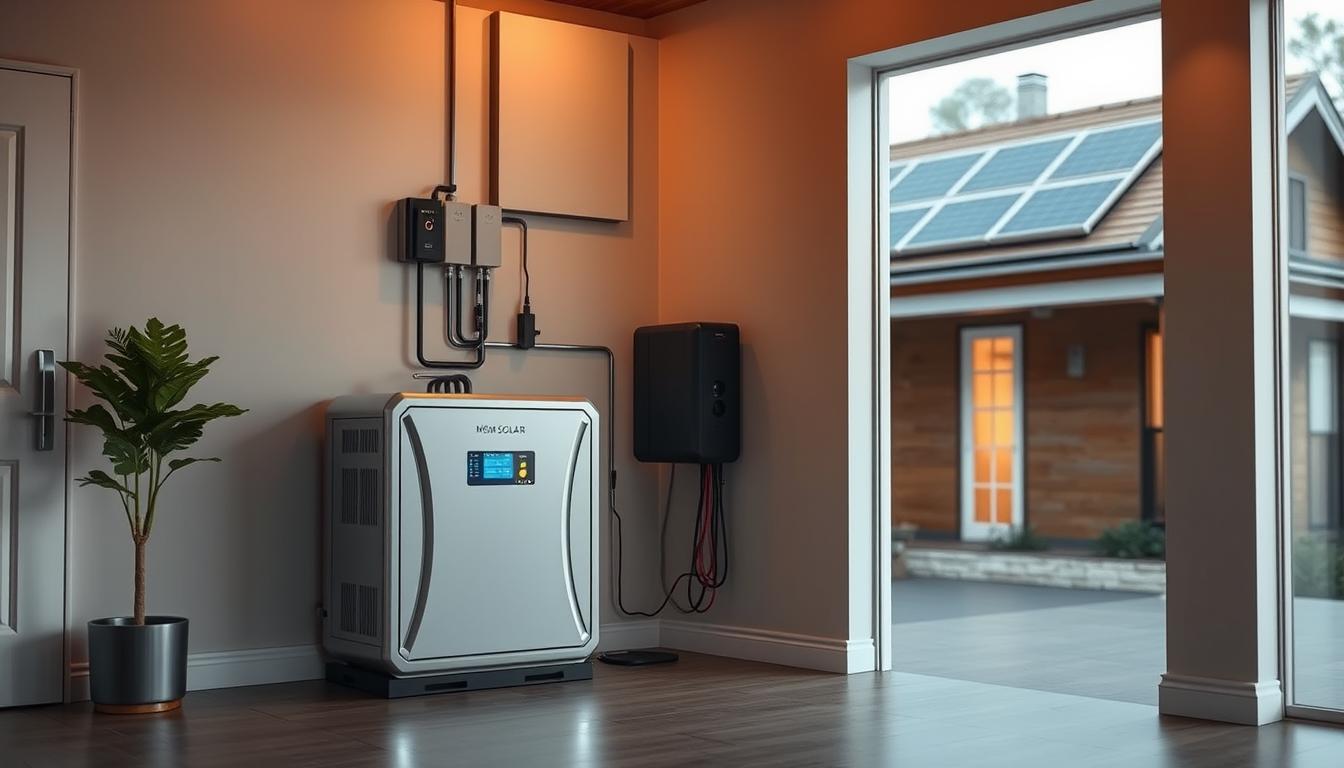
Homeowners often hesitate over improvements because they expect a higher assessment. Solar is treated differently. Under Florida law, the value added by a renewable energy source device, which includes solar panels and related equipment, is not included in the assessed value of residential property. In plain terms, installing solar does not raise your property tax bill, even though studies suggest it can raise what the home is worth.
That makes solar unusual among home upgrades: it lowers a monthly bill and may add to resale value without adding to your taxes. If you want to see what it could do for your home, our solar calculator gives a first estimate, and our new installations page explains how we design and price a system. MSM Solar's pricing is about $3.25 per watt installed.
Frequently asked questions
How much does the Florida homestead exemption save?
It removes up to $50,000 from your assessed value. The dollar saving depends on your local tax rates and commonly amounts to several hundred dollars a year or more.
When is the deadline to file for homestead exemption in Florida?
March 1 of the tax year. You must have owned and lived in the home as your permanent residence on January 1 of that year.
Do I have to reapply every year?
No. In most counties it renews automatically. You must notify the property appraiser if you no longer qualify.
Do solar panels increase property taxes in Florida?
No. Florida excludes the value of a residential renewable energy system from the assessed value of the home.
Conclusion
The Florida homestead exemption takes a few minutes to file and saves money every year you own your home, both through the exemption itself and through the cap on assessment increases. File by March 1, bring Florida documents, ask about portability and any extra exemptions, and check the details with your county property appraiser.
If you are also looking for ways to lower what your home costs each month, solar is worth a look. Call MSM Solar at (850) 737-5197 or request a free quote, and we will call you back no later than two business days.