Did you know only 4% of U.S. single-family homes use solar energy despite a 12% surge in installations last year?
As a homeowner exploring renewable options, I’ve seen how confusing pricing can be.
Even with growing demand, costs remain steep due to equipment, labor, and hidden fees.
An average 11 kW system ranges from $17,238 to $31,731—location heavily impacts the final price. Many companies avoid upfront quotes, leaving buyers in the dark.
Also Read: Are Solar Panels Worth It in Florida? 7 Key Factors to Consider
At MSM Solar LLC, they believe in transparency. Call us at (850) 737-5197 or get a free quote with no pressure.
Key Takeaways
- Residential solar adoption is low despite rising demand.
- Labor and permits add thousands to installation costs.
- System prices vary widely by location and size.
- Transparency issues persist in the solar industry.
- Free estimates help avoid unexpected expenses.
Solar Cost Calculator – Florida Panhandle Only
* Estimate based on $3.25 per watt for solar installation.
* For Tesla Powerwall 3 Batteries, $15,000 for the first battery, $12,000 for each additional battery.
* Other variations and types of Batteries are available.
Understanding the High Cost of Solar Panels in 2025
Many homeowners assume panels dominate system costs, but equipment is often less than half of the total. Labor, permits, electrical work and overhead make up the rest.
Breaking Down the Average Solar System Price
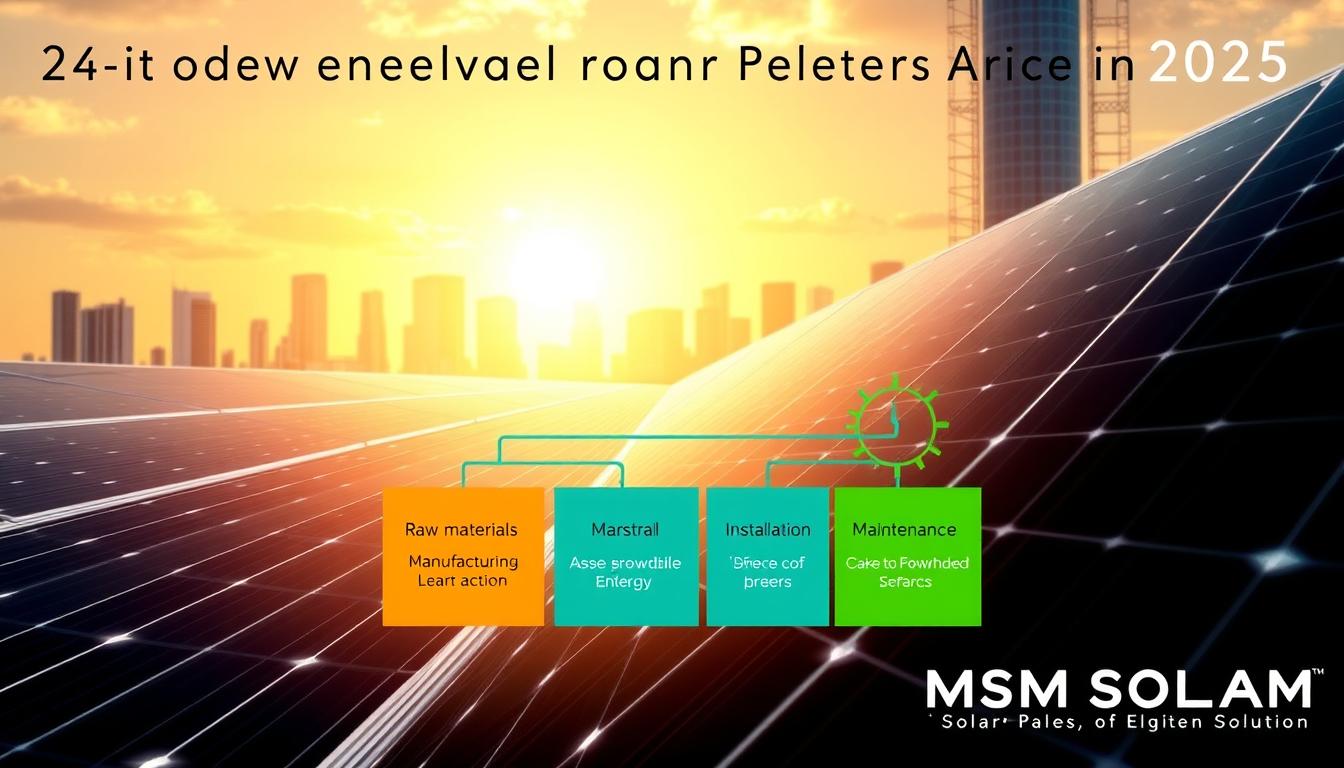
When I got my first quote, I expected panels to be the biggest expense. Surprise—they’re just 12% of the total. Inverters (10%), wiring (9%), and supply chain markups (9%) quickly add up. Even racking, the metal frames, costs 3%.
Key Cost Drivers: Equipment, Labor, and Permits
Permits?
A hidden $2,327 fee. Always ask for an itemized list—marketing and overhead often sneak in another 29%.
Pro tip: Demand transparency. Some companies bury fees in vague "soft costs." Knowing these details saved me $4,000 on my installation.
Why Are Solar Panels So Expensive? The Hidden Factors
Breaking down my solar quote revealed expenses I never expected—far beyond just equipment. From premium inverters to regional labor gaps, the fine print adds up fast. Here’s what I wish I’d known before signing my contract.
Equipment Choices That Impact Your Budget
Monocrystalline panels cost more than polycrystalline but produce more energy per square foot. On shaded roofs, microinverters or optimizers cost more than string inverters but can prevent big output losses.
Labor Fees That Vary Wildly by Location
Prices vary a lot between installers, so always compare local quotes.
The Surprising Cut Taken by Sales Teams
Flashy ads aren’t free. My quote included an 18% sales/marketing fee—money that could’ve upgraded my inverters. Another 11% went to office overhead, not the crew on my roof.
Pro tip: Demand itemized bids. One company hid $4,000 in “soft costs” until I pushed back. Transparency turns hidden factors into negotiable line items.
The Solar Industry’s Transparency Problem
Getting a clear quote for solar installation felt like solving a puzzle—until I discovered the industry’s transparency gaps.
A SaveOnEnergy survey found 72% of homeowners struggle with vague pricing.
My experience?
Companies often withhold details until you’re deep into negotiations.
Why Companies Avoid Upfront Pricing
Be careful with door-to-door companies offering "discounted" systems.
Be wary of deals that rely on expired incentives or hide fees. Always ask for a line-item breakdown.
Pro tip: Roof inspections are non-negotiable. Shading or steep pitches can swing quotes by $8,530. MSM Solar’s free assessment saved me from overspending—they calculated my electricity savings per kWh.
How Incentives and Roof Specifics Complicate Quotes
Incentives vary by state. In Florida, solar equipment is exempt from sales tax and the added home value from property tax; the 30% federal homeowner credit ended for systems installed after December 31, 2025.
Leasing?
That "$0-down" deal could cost $31,000 extra over 25 years.
Demand transparency.
One company buried $4,000 in "soft costs" until an innocent client pushed back. Now, I urge friends to get three quotes—it reveals pricing patterns and hidden markups fast.
How Location Impacts Solar Panel Costs
Your location affects your solar investment: permits, labor costs and sunlight all vary by area.
State-by-State Price Gaps
Why? Competition.
Always compare at least three local quotes.
Regional Hidden Fees
Coastal home owners, brace yourselves. Salt-resistant racking added $997 to my brother’s Florida install. Even interconnection fees vary wildly—$530 in Texas versus $2,327 in Massachusetts. These “small” line items can derail your savings.
Pro tip: Ask installers about local markups.
Long-Term Savings vs. Upfront Costs
Solar energy isn’t just an eco-friendly choice; it’s a long-term investment. Over a system's 25+ year life, the savings can far exceed the sticker price.
Calculating Your Break-Even Point
EnergySage reports an average payback period of 7.1 years.
Mine?
Tools like NREL's PVWatts help estimate your payback. Pro tip: factor in rising electricity rates, which shorten your break-even.
Leasing might seem tempting with $0 down, but owning usually nets more savings over time. Loans require good credit, but you keep all the savings.
Federal and State Incentives to Reduce Expenses
Don’t forget maintenance.
Pollen-heavy areas?
Budget $300/year for cleaning. It’s a small price to save money long-term.
Pro tip: Compare all incentives.
Location matters, but so does strategy.
Conclusion: Navigating Solar Panel Costs in 2025
After months of research, I realized transparency makes or breaks your solar journey. Equipment is just 46% of the total cost—labor, permits, and regional fees can double your budget. Always demand itemized quotes.
My biggest lesson?
Compare at least three offers.
MSM Solar LLC helps save $3,102 by cutting hidden fees. Their team will explain every line item—no surprises.
With today’s incentives, switching to solar isn’t just green—it’s a smart way to save money.
EnergySage data shows competitive markets slash prices by 25%. Don’t settle for vague estimates.
Ready to explore your options?
Call MSM Solar LLC at (850) 737-5197 or get a free quote.
Their experts answer fast—no robotic hold music.
FAQ
What makes solar panel systems costly in 2025?
The price includes equipment like inverters, labor for installation, and permitting fees. High-quality materials and certified professionals add to the expense.
How do incentives lower the overall investment?
Florida's sales-tax and property-tax exemptions and net metering help make solar more affordable.
Why do installation quotes vary so much?
Roof complexity, sunlight exposure, and local labor rates impact pricing. Companies also factor in marketing and overhead costs differently.
Does location affect how much I’ll pay?
Yes. States with higher electricity rates or better incentives often see faster savings. Areas with less sunlight may need larger systems, increasing costs.
How long until I break even on my purchase?
Most homeowners see returns in 7–12 years, depending on energy use, system size, and local utility rates. Incentives speed up savings.
Can leasing panels save me money upfront?
Leasing avoids initial costs but offers fewer long-term benefits, because you don’t own the system.
What maintenance expenses should I expect?
Systems need minimal upkeep—occasional cleaning and inverter replacements every 10–15 years. Many come with 25-year warranties for peace of mind.