
If you have opened a summer power bill in Pensacola, Crestview or Panama City and wondered why your electric bill is so high, you are not imagining it. Florida homes use more electricity than the national average because almost everything runs on it: cooling, water heating, cooking and often the pool. The good news is that a high bill usually comes down to a short list of causes, and most of them can be checked in an afternoon.
1. Air conditioning is doing most of the work
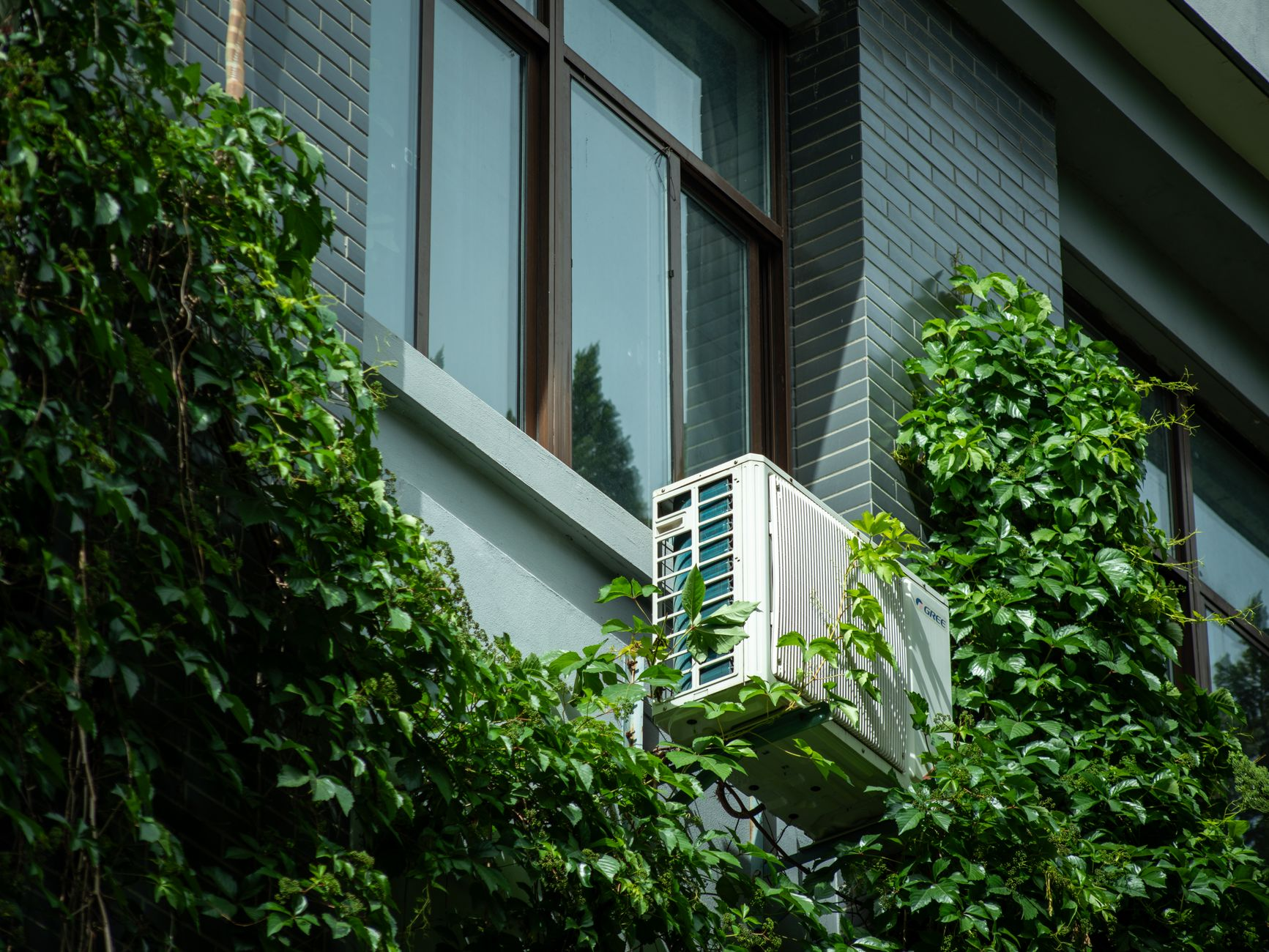
In a Panhandle summer, cooling is commonly the largest single share of a home's electricity use. Every degree you lower the thermostat makes the system run longer, and humidity makes it work harder still. A unit that is more than 12 to 15 years old, low on refrigerant or choked by a dirty filter can use far more power to deliver the same comfort. Change the filter monthly in summer and have the system serviced before the heat arrives.
2. Leaky ducts and thin attic insulation
Many Florida homes have ductwork running through a hot attic. If the joints leak, you are paying to cool the attic. Look for dusty streaks at duct seams and rooms that never get comfortable. Insulation that has settled below the top of the ceiling joists is another sign that heat is pouring in from above.
3. The water heater
A standard electric tank is usually the second-largest user in the house. Setting it to 120 degrees, fixing dripping hot faucets and insulating the first few feet of pipe all help. A heat-pump water heater uses a fraction of the power of a standard tank and suits a Florida garage well, because it cools and dries the air around it.
4. Pool pumps running too long
An older single-speed pool pump running eight hours a day can add a noticeable amount to every bill. A variable-speed pump on a longer, slower schedule moves the same water for much less electricity.
5. Always-on loads you never see
Cable boxes, game consoles, second fridges in the garage, dehumidifiers and old chest freezers draw power around the clock. Our guides to base load and phantom power show how to measure it. A garage fridge from the 1990s can cost more to run in a year than a new one costs to buy.
6. A longer billing period or an estimated read
Check the number of days on the bill. A 33-day cycle will always look worse than a 28-day one. Also check whether the reading was actual or estimated.
7. Rate and fuel charge changes
Your usage may be flat while the price per kilowatt-hour has gone up. Florida utilities adjust fuel and storm-recovery charges, and those changes show up as separate lines. Divide the total bill by the kilowatt-hours used to find what you really pay per unit. Our walkthrough on understanding your utility bill explains each line.
8. Something has failed
A stuck heat strip in the air handler, a failing well pump that never shuts off, or a water heater element that has shorted to the tank can double a bill overnight. If your usage jumped suddenly with no change in weather or habits, turn off breakers one at a time and watch the meter.
9. More people at home, more often
Working from home, guests, a new baby or a teenager home for the summer all push usage up. This is the cause people most often overlook.
How to find your own cause in 20 minutes
- Pull the last 12 bills and write down the kilowatt-hours for each month, not the dollar amount.
- Compare this month with the same month last year. If the usage is similar, the price went up. If the usage jumped, something in the house changed.
- Check your utility's online portal for daily or hourly usage. A flat, high line overnight points to an always-on load.
- Walk the house with the list above.
When a high bill is simply the price of power
Sometimes the house is in good shape and the bill is still high, because you are buying a lot of electricity at a price you do not control. That is the situation where owning your own generation starts to make sense. A solar system sized to your usage replaces a large share of what you buy from the utility with power from your own roof, and the cost of that power does not rise with the next rate change.
You can get a rough figure in under a minute with our solar calculator, which uses Panhandle sun data and real installed pricing. For exact numbers, a free site survey gives you a written quote with production estimates for your roof, whether you are in Destin, Navarre or anywhere between Pensacola and Apalachicola.
Solar Cost Calculator – Florida Panhandle Only
* Estimate based on $3.25 per watt for solar installation.
* For Tesla Powerwall 3 Batteries, $15,000 for the first battery, $12,000 for each additional battery.
* Other variations and types of Batteries are available.
What is a normal electric bill in the Panhandle?
There is no single normal figure, because house size, insulation, the age of the AC and the number of people at home all change it. What matters more is your own pattern. Bills here typically peak from June to September, drop in October and November, and rise again in January and February when heat pumps and strip heat run on cold mornings. If your bill is high in a mild month such as April or October, that is the clearest sign that something other than the weather is responsible.
Low-cost fixes worth doing this weekend
- Raise the thermostat two degrees when the house is empty and use ceiling fans in occupied rooms only.
- Replace the AC filter and clear leaves from around the outdoor unit.
- Set the water heater to 120 degrees.
- Put the pool pump on a timer and shorten its run by an hour to see whether the water stays clear.
- Unplug the second fridge or freezer if it is nearly empty.
- Seal the attic hatch and any obvious gaps around doors with weatherstrip.
- Dry laundry on lower heat with full loads, and wash in cold water.
None of these costs much, and together they often take a noticeable amount off a summer bill.
Upgrades that pay back over time
When the cheap fixes are done, the larger gains come from equipment: a higher-efficiency heat pump when the old AC is due for replacement, duct sealing, more attic insulation, a heat-pump water heater and a variable-speed pool pump. Each one lowers the amount of electricity you need. Solar then changes where the remaining electricity comes from. Doing them in that order means the solar system can be smaller. See how pool pumps, EVs and HVAC affect solar sizing for more on this.
Frequently asked questions
Why did my electric bill double in one month?
A sudden doubling usually means equipment failure or a long billing period, not weather. Check the number of days billed, then look at the AC, water heater and well pump.
Does turning the AC off when I leave save money?
Raising the setting by a few degrees saves more than switching it off completely in a humid climate, because the house does not have to be dried out again when you return.
Will solar panels get rid of my electric bill?
Solar can offset a large share of what you buy from the utility, but most homes still pay a monthly customer charge and for power used when the panels are not producing. A written quote will show the expected figure for your home.
How do I know if my meter is wrong?
Meter faults are rare. Switch off the main breaker and check that the meter stops. If it does, the usage is coming from inside the house.
Conclusion
Why is my electric bill so high? In most Florida homes it is air conditioning first, then water heating, then loads that run all day without anyone noticing. Check usage before price, fix what is broken or wasteful, and then decide whether you want to keep renting all of your power.
MSM Solar works with homeowners in DeFuniak Springs, Fort Braden and Fort Walton Beach, and in every town between Pensacola and Apalachicola.
If you have worked through the list and your bill is still higher than you would like, it may be time to look at producing your own power. We will size a system on your real usage and give you a written quote with no pressure. Call MSM Solar at (850) 737-5197 or request a free quote, and we will call you back no later than two business days.