



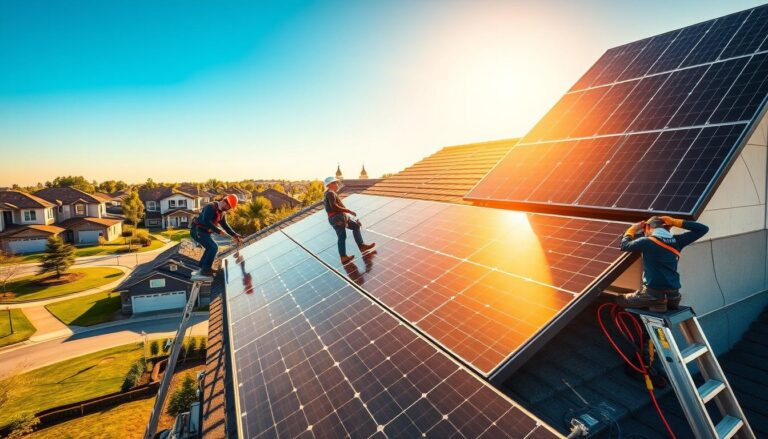
If you’ve installed solar panels on your coastal home in Destin or Panama City, Florida, you already know how much the Gulf sunshine can save you on energy bills. But there’s one small, messy problem many homeowners discover after a few months: birds.
From nesting under panels to leaving droppings that block sunlight, coastal birds like pigeons, seagulls, and doves can turn your clean solar array into a maintenance headache.
The good news?
There are reliable, long-lasting ways to bird-proof your solar panels, without harming the local wildlife or voiding your system warranty.
In this guide, we’ll break down why bird-proofing matters in coastal Florida, the most effective methods available, and how to keep your panels clean, efficient, and protected year-round.
Solar Cost Calculator – Florida Panhandle Only
* Estimate based on $3.25 per watt for solar installation.
* For Tesla Powerwall 3 Batteries, $15,000 for the first battery, $12,000 for each additional battery.
* Other variations and types of Batteries are available.
Why Birds Love Solar Panels – Especially on the Coast
Your solar panels might look like the perfect seaside perch, and to a bird, they are.
- Warm and sheltered: The small gap between the panel and your roof provides protection from wind, rain, and predators.
- Dry nesting area: The tilt of panels keeps the underside dry, even during Florida’s summer storms.
- Ideal location: Homes near the coast or bays (like in Destin or Panama City Beach) tend to attract seabirds and pigeons looking for flat, elevated nesting spots.
While the birds mean no harm, their nesting and droppings can cause serious issues for your solar system over time.
The Hidden Costs of Bird Damage
- Reduced Solar Efficiency
Bird droppings block sunlight from reaching your panels, cutting output by up to 15–25% in some cases. Even small shaded areas can cause power losses because solar cells are wired in series. - Corrosion and Salt Build-Up
Bird droppings are acidic, and in a salty coastal environment like Destin or Panama City, that’s a recipe for early panel degradation. Corrosion can damage frame coatings and wiring insulation. - Fire and Electrical Risks
Nesting material (dry twigs, straw, feathers) can block air vents or inverters and increase the risk of overheating or electrical shorts. - Roof Damage and Blocked Gutters
Nest debris often clogs gutters and downspouts, leading to roof leaks or mold issues. - Frequent Cleaning Costs
Without deterrents, you may end up cleaning your panels every few weeks, adding hundreds in annual maintenance.
Why Bird-Proofing Is Essential in Coastal Destin & Panama City
Inland Florida homes face occasional bird issues, but coastal homes are in a different league.
- Seagulls are persistent nesters and drop shells or food scraps on panels.
- Pigeons and mourning doves love the warm space under arrays.
- Salt air corrosion amplifies the damage from droppings and debris.
- Tourist-season construction and noise can drive flocks to quieter residential roofs.
Without protection, nests can form within a week and expand quickly. Once established, removal becomes more complicated (and often requires a wildlife permit).
That’s why preventive bird-proofing right after installation, or during your next cleaning, is the best approach for coastal solar systems.
The Problem: What Bird Nests Can Do to Your Solar System
At first glance, a few nests might seem harmless. But long-term, they can lead to several serious issues:
1. Fire and Wiring Risks
Bird nests are made from highly flammable materials like twigs, grass, and plastic. Combined with exposed electrical wiring, that creates a genuine fire hazard, especially in dry summer months.
2. System Efficiency Loss
Droppings on panels block sunlight and reduce energy generation. Over time, they can cause up to 10–15% performance loss if not cleaned regularly.
3. Corrosion and Water Damage
Bird debris traps moisture against mounting hardware, encouraging corrosion in the humid, salty coastal air of Destin and Panama City.
4. Roof Damage and Clogged Gutters
Accumulated nesting materials block drainage pathways, leading to leaks, wood rot, or shingle damage.
5. Health Hazards
Bird droppings may carry bacteria, mites, and fungal spores (like histoplasmosis), making rooftop maintenance risky if left unaddressed.
In short: preventing birds from nesting under your panels is both a safety measure and an investment protection step.
Why Bird Problems Are Common in Coastal Areas
Homeowners near the Gulf, particularly in Miramar Beach, Destin, Santa Rosa Beach, and Panama City Beach, face higher bird activity for a few key reasons:
- Open rooftop designs on beach houses make panels easy to access.
- High seagull populations frequent rooftops near the shore.
- Mild year-round climate encourages constant nesting cycles.
- Corrosion-friendly salt air weakens traditional mesh fasteners over time.
That means coastal solar arrays need marine-grade bird deterrent systems built for both salt resistance and strong wind ratings.
How to Bird-Proof Solar Panels: Proven Solutions
1. Install Bird Mesh or Solar Panel Critter Guards
The most effective and permanent bird-proofing method is a UV-resistant mesh barrier installed around the perimeter of your solar panels.
How it works:
- The mesh prevents birds from accessing the space beneath the panels.
- Clips or fasteners attach to the panel frame (no roof penetration).
- The mesh remains nearly invisible from ground level.
Best materials for coastal areas:
- Stainless steel wire mesh (316-grade) – won’t rust in salty air.
- UV-stabilized black PVC-coated mesh – long-lasting and flexible.
Installation cost:
Typically $350–$600 for a residential array, depending on panel count and roof slope.
✅ Pro tip: Ask for removable mesh systems so technicians can access wiring for future service without cutting the barrier.
2. Use Deterrents for Added Protection
While mesh stops nesting, visual or sound deterrents help prevent perching and landing.
Popular bird deterrent tools:
- Reflective discs or tapes – create flashes of light birds dislike.
- Predator decoys – fake owls or hawks placed strategically near panels.
- Ultrasonic repellents – emit harmless high-frequency sounds.
- Spikes on ledges or rails – discourage pigeons from roosting nearby.
For coastal homes, avoid cheap aluminum or plastic decoys, as they deteriorate quickly in salt air. Instead, look for UV-treated polycarbonate or marine-grade stainless spikes.
✅ Pro tip: Move or reposition deterrents every few months, birds can adapt if they learn the objects are static.
3. Seal Gaps and Openings
Birds only need a 2-inch gap to squeeze under a panel. Inspect the following areas:
- Gaps between panels and roof tiles.
- Edges near vents or roof valleys.
- Mounting brackets or conduit openings.
Seal small spaces with black UV-resistant wire mesh or weatherproof foam barriers. For larger gaps, consider custom flashing trim that blends with your roof color.
✅ Pro tip: Avoid using foam or sealant alone, Florida’s heat and humidity can cause it to degrade within a year.
4. Schedule a Professional Cleaning and Nest Removal
If birds have already nested under your panels, removal should always be handled by a licensed technician, especially in Bay and Okaloosa Counties, where certain bird species (like swallows) may be protected.
Professional cleaning includes:
- Safe nest removal and disinfection.
- Wiring and junction box inspection.
- Debris clearing from gutters and roof valleys.
- Panel cleaning to restore output.
Expect to pay $300–$500 for complete cleanup, depending on severity.
✅ Pro tip: Combine bird-proofing with your annual solar maintenance visit to save on service costs.
5. Choose Corrosion-Proof Hardware
Along the Emerald Coast, salty air accelerates metal degradation, especially for mesh clips, screws, and brackets.
To extend lifespan:
- Choose 316-grade stainless steel fasteners.
- Avoid galvanized steel (prone to rust).
- Use marine-sealant coatings on all attachments.
- Rinse hardware annually with fresh water to reduce salt buildup.
Some brands even offer marine-rated critter guard kits designed specifically for coastal Florida homes.
Recommended Products for Bird-Proofing Solar Systems
| Product Type | Brand Example | Key Features | Best For |
|---|---|---|---|
| Stainless Bird Mesh Kit | SolaTrim | Solid aluminum skirt, wind-rated, corrosion-resistant | Coastal rooftops |
| PVC-Coated Wire Mesh | Critter Guard Solar Kit | Black UV-coated steel mesh, easy clip installation | Residential homes |
| Solar Panel Edge Skirt | SnapNRack Skirt Kit | Hides wiring, prevents nesting access | Visible front-facing arrays |
| Reflective Discs / Decoys | Bird-X Visual Scare Kit | Weatherproof reflective deterrent | Balconies & open roofs |
| Ultrasonic Repeller | Bird Barrier SonicShield | Solar-powered, motion-activated | Garages & exposed rooftops |
Before purchasing, ensure the product is wind-rated for 120–150 mph conditions and approved for Florida’s HVHZ (High-Velocity Hurricane Zone) regions.
What NOT to Do
Some quick fixes can cause more harm than good:
🚫 Do not use glue or silicone to attach mesh. It won’t withstand heat or salt air.
🚫 Avoid electrical deterrent strips. Coastal humidity can short-circuit them.
🚫 Never block panel ventilation gaps. Panels need airflow to stay cool.
🚫 Don’t ignore droppings. Acidic waste can damage coatings and reduce energy output.
Proper bird-proofing should preserve your solar system’s airflow, performance, and warranty, not compromise them.
Routine Maintenance for Bird Prevention
Keeping birds away is an ongoing process. Once your panels are protected, add these steps to your solar maintenance checklist:
| Task | Frequency | Purpose |
|---|---|---|
| Visual inspection (with binoculars) | Monthly | Spot nests or droppings early |
| Panel cleaning | 2–3 times/year | Remove debris and restore efficiency |
| Mesh & clip check | Every 6 months | Ensure corrosion-free and secure fit |
| Gutter cleaning | Spring & Fall | Prevent clogging from nesting debris |
| Full service inspection | Annually | Check for structural or electrical damage |
Working with Local Professionals
For homeowners in Destin, Panama City, and nearby coastal areas, choose a solar service provider familiar with coastal maintenance challenges.
Local certified installers understand:
- Salt corrosion control for racking and mesh.
- Seagull and pigeon nesting patterns.
- Florida Building Code permitting for panel modifications.
You can also request a combined inspection and bird-proofing package, which includes:
- Panel cleaning
- Critter guard installation
- Performance check
- Roof and wiring inspection
Typical pricing: $500–$700 total, with warranties ranging from 5–10 years on materials.
Environmental Considerations
While it’s important to protect your solar investment, remember that some birds in Florida, like barn swallows and wood storks, are protected under federal wildlife laws.
✅ Always ensure nests are inactive before removal.
✅ Contact a licensed wildlife specialist if eggs or chicks are present.
Many solar companies partner with wildlife control experts to ensure humane removal and compliance with Florida Fish and Wildlife Conservation Commission (FWC) regulations.
Bird-Proofing and Solar Efficiency: The Payoff
When properly bird-proofed, solar panels:
- Maintain consistent energy output (no shading from nests).
- Stay cleaner, reducing wash frequency.
- Avoid corrosion and wiring damage.
- Last longer, protecting your 25-year investment.
In Destin’s coastal climate, a simple $400–$600 bird mesh system can prevent thousands of dollars in future repairs while keeping your home clean, quiet, and energy-efficient.
Key Takeaways
- Birds love solar panels, especially in coastal Destin and Panama City.
- Nesting debris can cause fire risks, corrosion, and energy loss.
- The best prevention methods include stainless steel mesh guards and UV-treated deterrents.
- Always choose marine-grade hardware for salt-air durability.
- Schedule annual professional inspections for long-term protection.
Final Word
Coastal Florida homeowners know that living by the Gulf means protecting your property from the elements, and that includes wildlife. Bird-proofing your solar panels is a simple, low-cost step that ensures your system performs efficiently while preserving your roof’s integrity.
With the right materials, maintenance, and local expertise, your panels will stay bird-free, storm-ready, and producing clean power for decades to come.
