



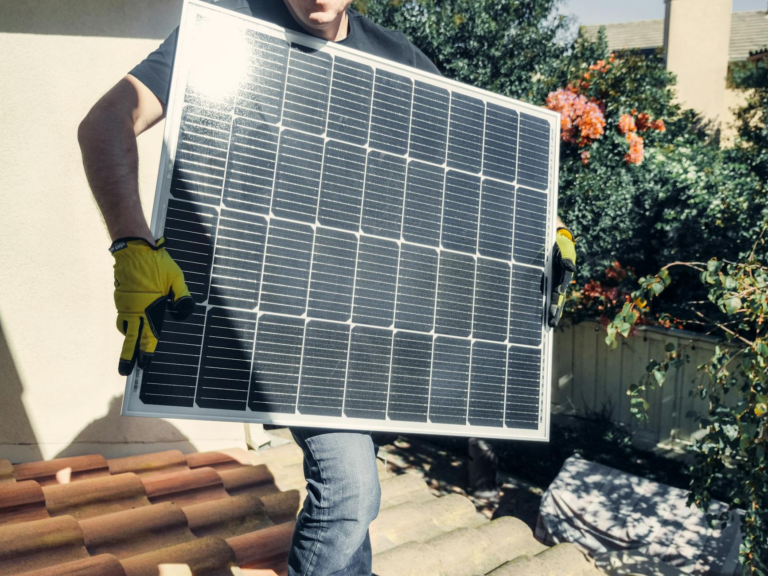
Understanding the Importance of a Roof Reseal Schedule After Solar Fort Walton Installations
When a solar array is added to a residential or commercial roof in Fort Walton Beach, the integrity of the roof’s sealant system becomes a critical factor in the long‑term performance of both the solar installation and the roof itself. The sealants that hold solar mounts in place are exposed to intense sunlight, salty sea breezes, and the occasional tropical storm that sweeps across the Emerald Coast. Over time, these conditions can cause the sealant to dry out, crack, or lose adhesion, which jeopardizes the warranty coverage provided by roofing manufacturers and solar installers alike. Establishing a clear roof reseal schedule after solar Fort Walton projects is the most reliable way to protect that warranty, avoid costly repairs, and keep the energy system operating at peak efficiency.
Solar Cost Calculator – Florida Panhandle Only
* Estimate based on $3.25 per watt for solar installation.
* For Tesla Powerwall 3 Batteries, $15,000 for the first battery, $12,000 for each additional battery.
* Other variations and types of Batteries are available.
Why a Dedicated Reseal Timeline Is Essential for Warranty Compliance
Most roofing warranties contain clauses that require regular maintenance, including the inspection and resealing of any penetrations made for solar mounting hardware. If a homeowner neglects these tasks, the warranty can become void, leaving them responsible for any resulting water intrusion or structural damage. Solar installers in Fort Walton also provide their own performance guarantees, which are often tied to the condition of the roof sealants. By following a structured roof reseal schedule after solar Fort Walton installation, you demonstrate proactive care, satisfy the contractual obligations of both parties, and maintain the protective barrier that keeps moisture out of the roofing system.
How Solar Installations Change the Dynamics of Roof Sealants
Traditional roof sealants are formulated to endure typical exposure to UV radiation, temperature fluctuations, and rain. However, solar mounting points create concentrated stress zones where the sealant is compressed between the mounting base and the roof deck. In Fort Walton’s humid, salty environment, these stress points can accelerate the aging process, especially when the sealant is exposed to the reflective heat generated by solar panels. The result is a shorter effective lifespan for the sealant compared with unpenetrated roof areas. Recognizing this accelerated wear is why a specialized roof reseal schedule after solar Fort Walton projects is recommended rather than relying on the standard roof maintenance plan.
Key Warranty Triggers Related to Sealant Maintenance
Both roofing manufacturers and solar providers outline specific triggers that can nullify warranty coverage. Common triggers include:
- Failure to inspect sealant joints within the first 12 months after installation.
- Not resealing mounting points before the sealant’s rated lifespan expires (typically 5–7 years in coastal climates).
- Ignoring documented signs of sealant degradation such as bubbling, cracking, or loss of adhesion.
- Using non‑approved sealant products for repairs, which can void warranty clauses.
By aligning your maintenance activities with these triggers, you keep the warranty intact and ensure that any claim you make is backed by documented compliance.
Creating a Practical Roof Reseal Schedule After Solar Fort Walton Installation
Developing a schedule that fits your lifestyle while meeting warranty requirements starts with a clear timeline. Begin by noting the exact date of the solar installation and the type of sealant used (e.g., silicone, polyurethane, or polysulfide). Most high‑performance sealants recommended for coastal Florida have a manufacturer‑stated service life of about six years under normal conditions. However, because solar mounts introduce additional stress, many experts advise a reseal interval of every four years for Fort Walton installations. Mark these dates in a digital calendar, set reminders six months in advance, and allocate a budget for professional resealing or qualified DIY work.
Milestones to Include in Your Reseal Calendar
- 12‑Month Check: Visual inspection of all mounting points for early signs of wear.
- 24‑Month Review: Conduct a moisture test around each seal to detect hidden infiltration.
- 48‑Month Reseal: Perform a full resealing of all mounts using the original sealant specifications.
- 72‑Month Re‑evaluation: Assess whether another reseal is needed based on the condition of the previous work.
These milestones create a predictable pattern that aligns with most warranty timelines, ensuring that you never miss a critical reseal window. Remember, the phrase “roof reseal schedule after solar Fort Walton” should be part of your internal documentation to keep the focus on the unique demands of local installations.
Seasonal Considerations for Resealing in Fort Walton Beach
The Gulf Coast experiences a distinct seasonal rhythm that influences sealant performance. Summer brings high temperatures and intense UV exposure, which can cause sealants to soften and lose elasticity. Winter, while milder than inland areas, can still bring cooler nights that cause contraction and micro‑cracking. The optimal window for resealing is typically late fall (October to early November) or early spring (March to early April) when temperatures are moderate, humidity is lower, and the chance of rain is minimal. Scheduling your roof reseal schedule after solar Fort Walton work during these periods reduces the risk of sealant failure during the curing process.
Step‑by‑Step Guide to Inspecting Solar Mount Seals
A thorough inspection is the cornerstone of any successful reseal plan. Follow these steps each time you check the roof:
- Safety First: Use a sturdy ladder, wear non‑slip shoes, and consider a harness if the roof pitch is steep.
- Visual Scan: Look for obvious cracks, gaps, or discoloration around each mount.
- Touch Test: Gently press the sealant; a healthy sealant should be slightly tacky, not brittle.
- Moisture Detection: Use a moisture meter or a piece of clear plastic taped to the seal for 24 hours; any condensation indicates a leak.
- Documentation: Photograph each mount and note the condition in a maintenance log.
Documenting each inspection not only helps you track the health of the sealants but also provides evidence for warranty claims. A well‑maintained log that references the roof reseal schedule after solar Fort Walton activities demonstrates due diligence to both roofing and solar manufacturers.
Common Mistakes That Can Void Your Warranty
Even with the best intentions, homeowners sometimes make errors that jeopardize their coverage. Below are the most frequent pitfalls:
- Using a generic silicone sealant instead of the manufacturer‑approved product.
- Skipping the pre‑reseal cleaning, which leaves debris that can interfere with adhesion.
- Attempting to reseal during the rainy season, leading to incomplete curing.
- Neglecting to reseal all mounts simultaneously, creating uneven stress distribution.
- Failing to update the maintenance log, making it impossible to prove compliance.
Avoiding these errors ensures that your roof reseal schedule after solar Fort Walton implementation remains a protective measure rather than a source of future problems.
Professional Resealing vs. DIY: What You Need to Know
While a DIY approach can save money, professional resealing offers several advantages, especially in a coastal environment like Fort Walton Beach. Certified roofers are familiar with the specific sealant formulations that meet warranty specifications, and they have the tools to apply the material evenly and at the correct thickness. Additionally, many roofing contractors provide warranty extensions for the reseal work they perform, adding an extra layer of protection. If you choose the DIY route, make sure you follow the sealant manufacturer’s technical data sheet to the letter and keep detailed records of the product batch numbers and application dates. Either way, the key is to align the work with the established roof reseal schedule after solar Fort Walton guidelines.
Sample Roof Reseal Schedule After Solar Fort Walton Installation
| Year | Action |
|---|---|
| Year 0 (Installation) | Document sealant type, take baseline photos, set calendar reminders. |
| Year 1 | Visual inspection of all mounts; note any early wear. |
| Year 2 | Moisture testing and detailed log update. |
| Year 4 | Full reseal of all mounting points using approved sealant. |
| Year 6 | Re‑evaluation; decide on additional reseal based on condition. |
This table provides a clear roadmap that aligns with typical warranty requirements and the accelerated wear patterns seen in Fort Walton’s marine climate. Adjust the timeline as needed based on the specific sealant lifespan indicated by the manufacturer, but always keep the “roof reseal schedule after solar Fort Walton” principle at the core of your planning.
Frequently Asked Questions About Roof Resealing for Solar Systems
- How often should I reseal my solar mounts? Generally every four years, but always follow the sealant manufacturer’s recommended service life and your warranty’s specific terms.
- Can I use any silicone sealant? No. Warranty clauses usually require the exact product specified by the roof or solar installer.
- What signs indicate a sealant failure? Cracking, bubbling, loss of tackiness, water stains on the interior ceiling, or moisture readings on a meter.
- Do I need a professional for the inspection? A visual inspection can be DIY, but a professional is recommended for moisture testing and resealing to ensure warranty compliance.
- Will resealing affect my solar panel performance? Proper resealing protects the roof and prevents water ingress, which can otherwise damage panels and reduce output.
Addressing these common concerns helps homeowners stay proactive and reinforces the importance of adhering to a roof reseal schedule after solar Fort Walton installations.
Final Thoughts on Maintaining Warranty Protection
In Fort Walton Beach, the combination of salty air, high humidity, and intense sunlight creates a challenging environment for roof sealants, especially around solar mounting hardware. By establishing and following a detailed roof reseal schedule after solar Fort Walton projects, you safeguard the integrity of both your roof and your solar investment. Regular inspections, timely resealing, and meticulous documentation not only keep warranties intact but also extend the lifespan of the entire roofing system. Make the reseal schedule a part of your annual home maintenance routine, and you’ll enjoy uninterrupted solar power and a roof that stands strong against the elements for years to come.
